
How to Prepare Your Rye Coastal Home for a Sale
April 16, 2026
April 16, 2026
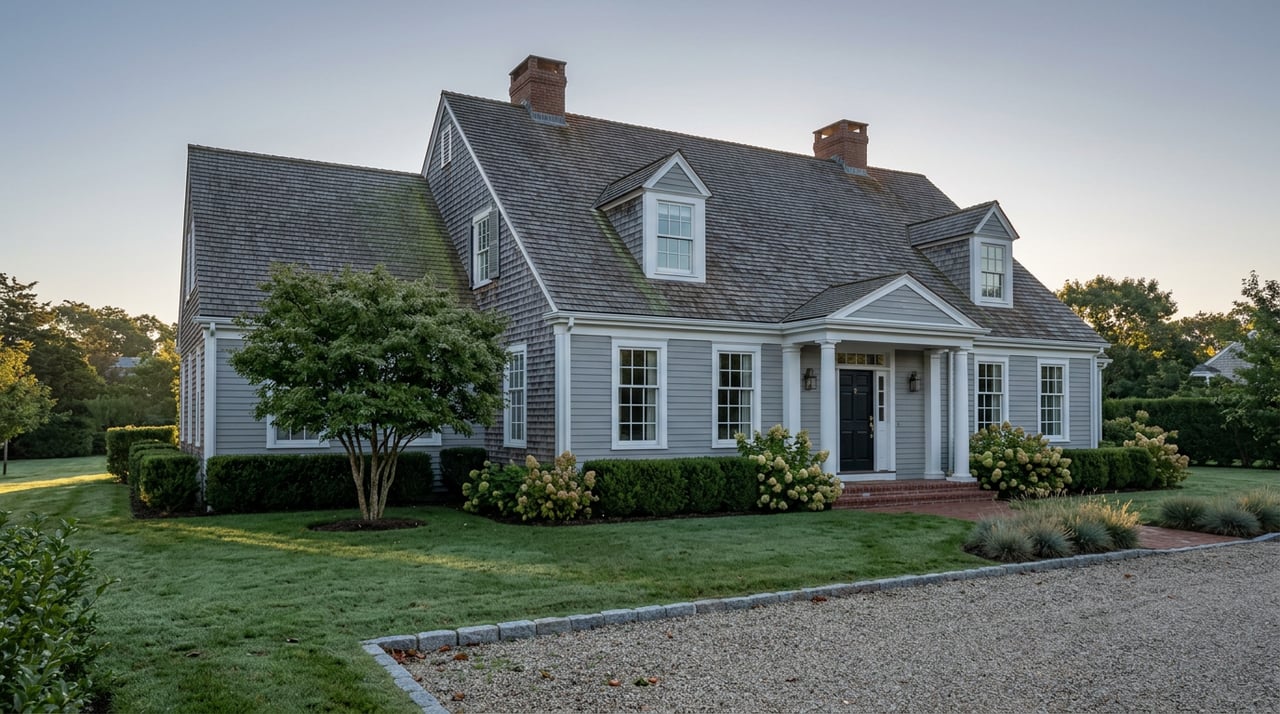
Selling a coastal home in Rye is different from selling an inland property. Buyers are not just picturing beach days, water views, and outdoor living. They are also thinking about maintenance, drainage, flood risk, and how well the home has been cared for over time. If you prepare for those questions before your home hits the market, you can create a stronger first impression and a smoother sale. Let’s dive in.
In Rye, buyers often look at lifestyle and upkeep side by side. The town identifies hurricanes, seasonal storms, and seasonal high tides as key flood threats, and its zoning map includes a Coastal Area Overlay District. That means your home’s setting can be a major selling point, but it can also bring added questions.
Even if your property is not in a mapped floodplain, Rye notes that flooding can still be a concern in some locations. The town also reminds property owners that standard homeowners insurance typically does not cover flood damage, which is one reason flood-related questions come up so often during coastal sales. You can review that guidance on Rye’s flood protection information page.
Before you focus on photos or staging, think about what a serious buyer is likely to ask. In Rye, common questions include whether the home is in a flood zone or coastal overlay area, how close it is to the beach or marsh, and whether the property uses public utilities or private systems.
Buyers may also want to know about past water intrusion, leaks, mold, drainage issues, or whether decks, additions, fill, or site work were properly permitted. Rye outlines many of these concerns on its page about Rye’s flood risk. If you can answer these questions early and clearly, your listing will feel more credible and better organized.
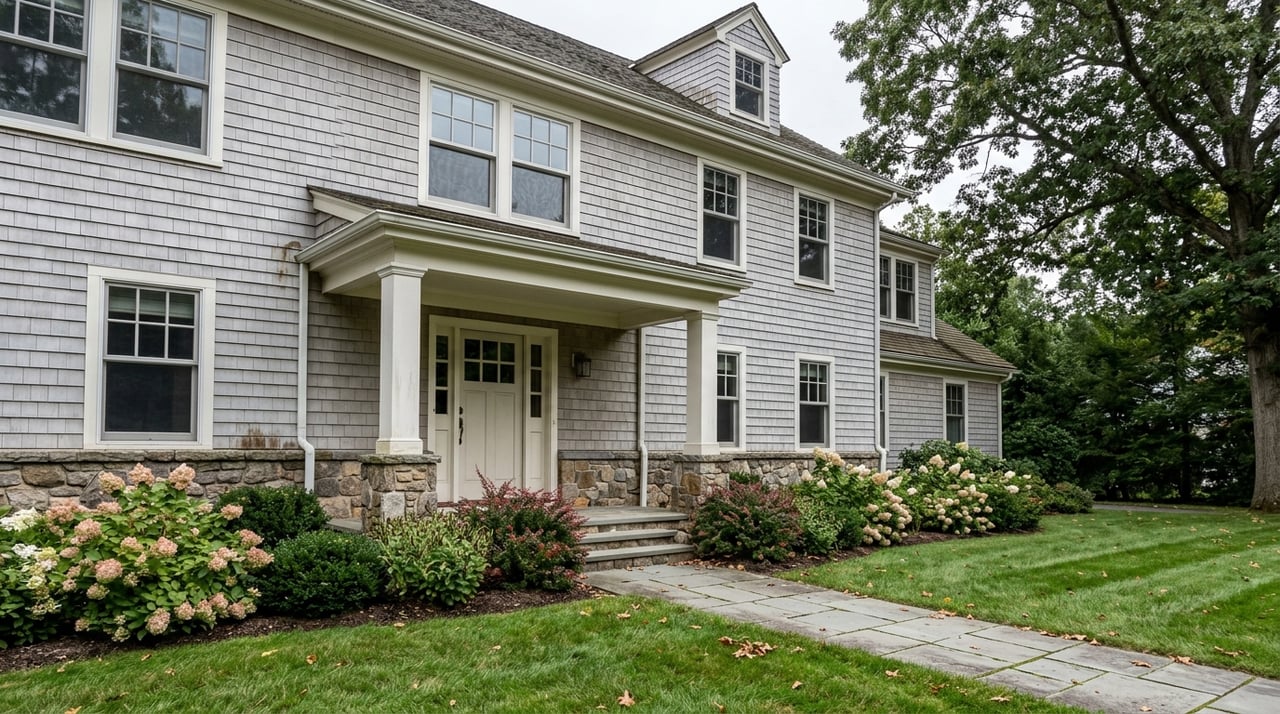
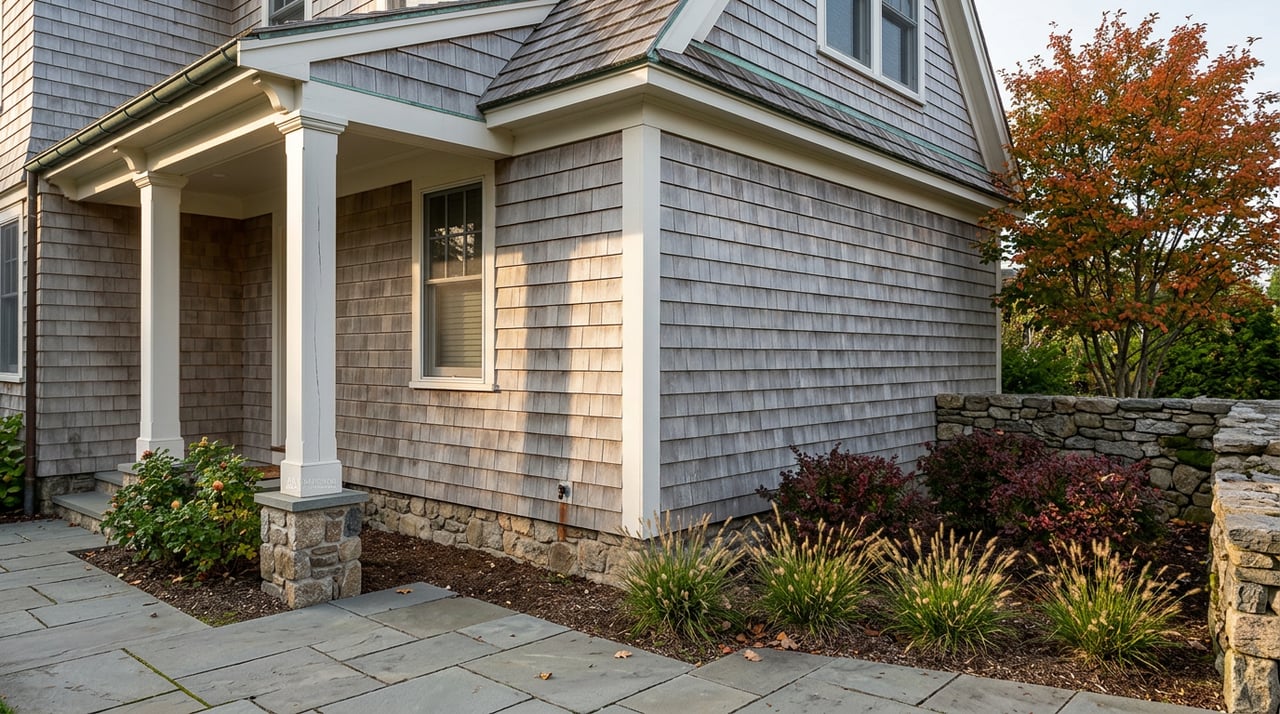
Coastal conditions can be hard on a home’s exterior. FEMA notes that coastal construction and maintenance should account for a harsh environment, where salt spray and moisture can speed up deterioration of exposed materials. In a listing, visible rust, peeling paint, and corroded hardware can signal deferred maintenance to buyers.
Before listing, walk the exterior with fresh eyes. Look closely at railings, light fixtures, fasteners, door hardware, outdoor showers, fences, and any exposed metal. Small repairs and touch-ups can make the home feel better maintained in photos and in person.
Water intrusion is one of the biggest concerns in any coastal home. FEMA identifies flashing around windows, doors, chimneys, skylights, and similar openings as a common failure point, and damaged flashing can contribute to leaks, mold, corrosion, and rot. You can review that guidance in FEMA’s coastal flashing resource.
If you see staining, soft spots, cracked caulk, or signs of older repairs, address them before showings begin. Buyers tend to notice these details quickly, especially in a market where many people understand the realities of Seacoast ownership.
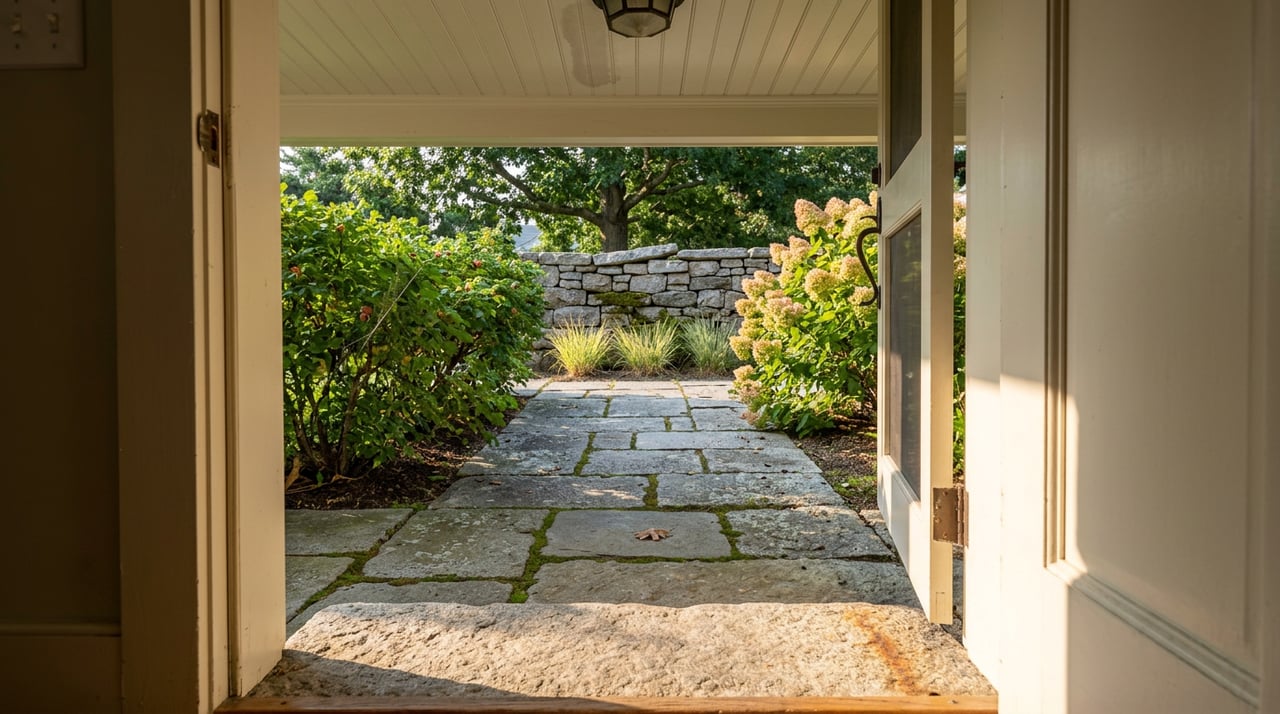
Drainage is not the most glamorous part of listing prep, but it matters. Rye recommends keeping drainage areas clear and avoiding anything that blocks runoff. In practical terms, that means clearing gutters, extending downspouts away from the foundation, removing debris, and making sure the yard does not show obvious ponding.
This type of maintenance helps your home present better and supports your overall story of care. A tidy exterior suggests that routine upkeep has not been ignored.
A Rye coastal home often wins attention because of its outdoor living potential. Decks, patios, lawn areas, and water-facing spaces can all help buyers picture how they would enjoy the property.
Before photography, simplify these areas as much as possible. Put away hoses, bins, extra furniture, weathered storage items, and anything that distracts from the setting. The goal is to highlight views, fresh air, and usable space while keeping the focus on the home rather than the maintenance tools that come with it.
If your home has a private well or private sewage system, New Hampshire requires specific disclosures before contract. Under RSA 477:4-c, sellers must provide written details about water supply and sewage systems, including type, location, age, known problems, and recent testing or service information when known.
That means it is smart to gather these records before your home is listed. If information is unknown, it must be stated in writing, so it helps to sort out what you know and what paperwork you still need.
Some Rye properties may face an added step during transfer if they are developed waterfront properties with septic systems located within 250 feet of the reference line. Under RSA 485-A:39, the buyer must hire a licensed septic evaluator unless a seller-provided evaluation completed within 180 days is accepted in writing.
This can affect your timing. If your home may fall into that category, preparing early can help avoid last-minute delays once you have an interested buyer.
If your property uses a private well, testing can help you get ahead of buyer concerns. The New Hampshire Department of Environmental Services says some contaminants may be present without obvious taste, odor, or color, and its private well guidance recommends testing for items such as bacteria, arsenic, nitrate and nitrite, radon, lead, chloride, sodium, uranium, and PFAS depending on circumstances. You can review that in the state’s private well testing guide.
Having recent information available can make a buyer feel more comfortable. It also helps you avoid scrambling during the inspection period.
For many Rye coastal sales, documentation is just as important as presentation. Buyers may ask whether the home is in a special flood hazard area, whether there is flood insurance, and whether any mitigation work has been done.
FEMA explains that standard homeowners insurance usually does not cover flood damage, that National Flood Insurance Program policies typically include a 30-day waiting period, and that flood insurance is required for homes in high-risk flood areas with government-backed mortgages. If you have flood insurance declarations, elevation certificates, mitigation records, or receipts for relevant work, keep them ready.
Permit records matter too. Rye’s zoning map identifies the Coastal Area Overlay District, and the town’s floodplain ordinance uses a permit system for development in special flood hazard areas. If you have completed additions, decks, drainage work, fill, or flood-related improvements, it helps to have a clear paper trail available.
The best marketing for a Rye coastal home does not ignore the realities of the location. Instead, it pairs the lifestyle appeal with clear proof of care. That could include outdoor living space, beach proximity, or water views alongside maintenance records, service receipts, drainage updates, and system documentation.
If your home is in or near a flood-prone area, avoid vague language that minimizes the issue. A stronger approach is to explain what has been done, such as elevated mechanicals, improved flashing, drainage work, or permitted repairs. Rye specifically points to mitigation measures like elevating heating and hot water systems or relocating electrical panels above flood levels on its flood risk page.
That kind of transparency builds trust. It helps buyers feel that they are looking at a home that has been responsibly maintained, not one that is being dressed up to avoid hard questions.
Most buyers do not expect a coastal home to be flawless. They do expect it to be well-presented, thoughtfully maintained, and backed by clear information. In Rye, that often means paying attention to exterior wear, addressing drainage and leak concerns, and assembling documents related to wells, septic systems, flood insurance, permits, and prior improvements.
When you prepare your home this way, you are doing more than making it look good. You are helping buyers understand the value of the property and the care behind it. That can support stronger interest, more confidence during due diligence, and a better overall selling experience.
If you are thinking about selling your Rye coastal home, Emil Uliano can help you position it with the kind of preparation, presentation, and local market insight that Seacoast buyers expect.
Stay up to date on the latest real estate trends.




We are committed to guiding you every step of the way—whether you're buying a home, selling a property, or securing a mortgage. Whatever your needs, we've got you covered.

40 Pleasant St Portsmouth NH 03801