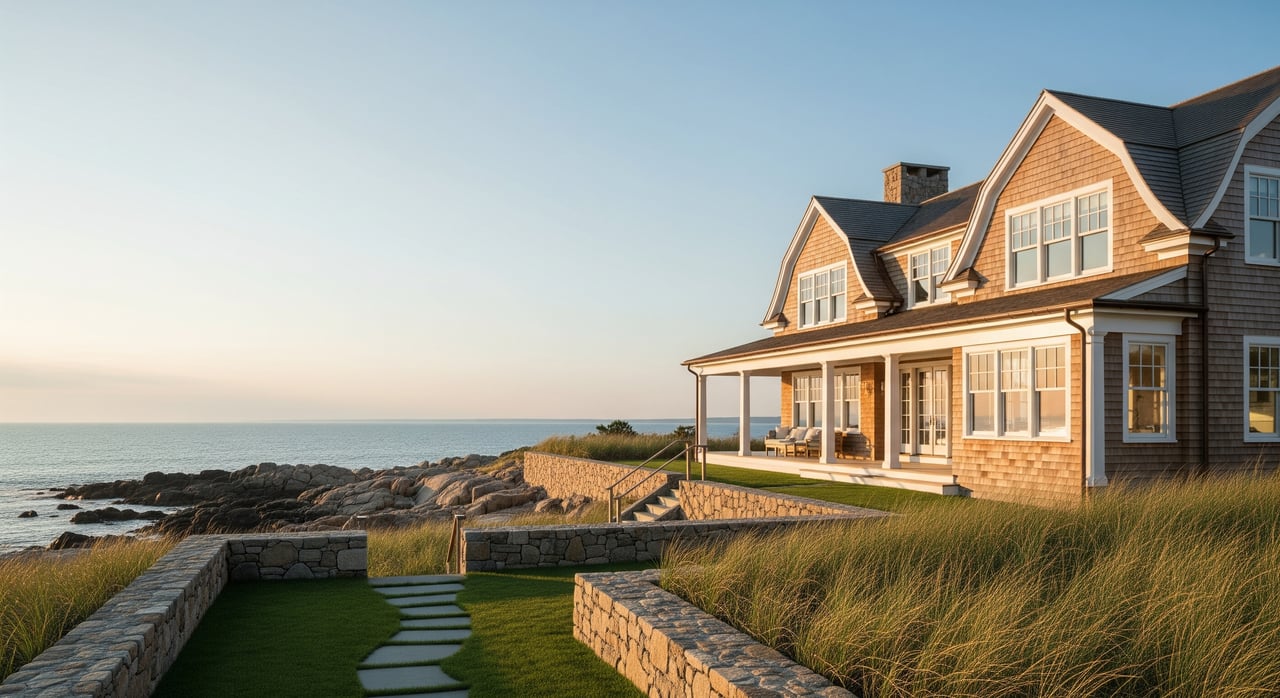
Rye Oceanfront Home Pricing Strategies for Sellers
January 15, 2026
January 15, 2026
Are you getting ready to list an oceanfront home in Rye and wondering how to price it for a strong, timely result? You are not alone. The Seacoast’s short shoreline and unique coastal rules make pricing both an art and a science. In this guide, you will learn how view corridors, beach access, renovation quality, scarcity, and coastal risk come together to set your price range and attract the right buyers. Let’s dive in.
Rye has a short stretch of Atlantic shoreline with a small number of true oceanfront lots. That scarcity alone can push prices higher, but it also magnifies differences between properties. Two homes with similar square footage can sell very differently depending on view, access, and exposure.
The buyer pool blends year-round residents, second-home purchasers from Greater Boston and New England, and active seasonal buyers. Interest generally peaks in spring and summer, which can increase both showing traffic and competition. If you plan your launch around seasonal demand, your pricing strategy should account for other luxury listings that may go live at the same time.
Adjacent towns like New Castle, Portsmouth, and Hampton often provide additional comparable sales because buyer pools and property types overlap. When Rye comps are scarce, these nearby markets help fill in the picture while you adjust for differences.
A clear ocean view is often the biggest non-structural value driver. Premiums tend to scale with the quality of the view:
Distance from the waterline, elevation above high tide, and orientation all matter. Southwest exposures can be prized for sunsets. You will also want to understand whether neighboring building envelopes could alter your view in the future.
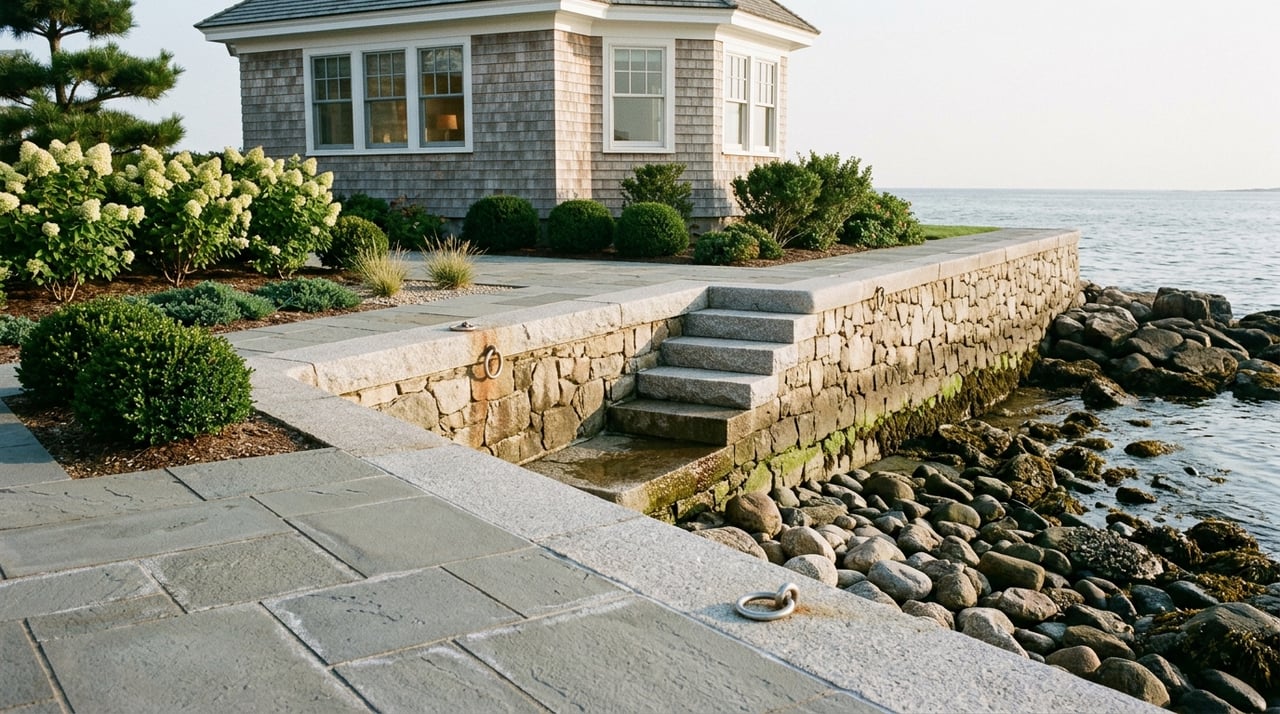
The type and certainty of access significantly affect price. Direct private frontage typically commands the highest premium, followed by deeded association access, then convenient public access. The shoreline itself matters too. Sandy beach frontage usually sells at a premium compared with rocky or mixed shoreline. If buyers value boating, calm bay frontage can compete with open-ocean settings.
Documented rights are essential. Confirm deeded beach access, easements, littoral rights, and any association agreements. These should be clear, transferable, and presented upfront to reduce friction and protect your price.
High-end buyers expect resilient coastal finishes and modern systems. Coastal-grade windows, flood-conscious construction, updated HVAC, and corrosion-resistant materials all add confidence. Turnkey homes with contemporary layouts and high-quality finishes tend to invite stronger offers and fewer concessions than similar homes that need work.
Remember that coastal renovations often cost more due to engineering, elevation, and specialized materials. Replacement cost influences perceived value, so make sure buyers see the investments you have made.
Because true oceanfront parcels in Rye are limited, unique site features can carry outsized value. Frontage length, lot width, buildable area, setback buffers, dune protections, and accessory structures all influence pricing. Long-held family properties or parcels with rare attributes can sustain premiums simply because they are hard to find.
Coastal risk affects both buyer appetite and lender decisions. You will want clear documentation of your flood zone, elevation, and mitigation measures.
FEMA designates flood zones like AE and VE that affect insurability and carrying costs. Confirm your designation through the FEMA Flood Map Service Center and obtain an elevation certificate if you are in or near a mapped zone. An accurate elevation certificate can improve underwriting and help buyers estimate flood insurance. You can look up mapping at the FEMA Flood Map Service Center.
For long-term context, buyers and lenders increasingly consider sea level and tidal trends. You can review local projections through the NOAA Sea Level Rise Viewer and reference recorded tide data at NOAA Tides and Currents.
If your property has a seawall, dune work, or other shoreline structures, retain permits and maintenance history. In New Hampshire, coastal or wetlands activities often involve the NH Department of Environmental Services, and some projects may require federal permits. Having documentation in hand reduces buyer hesitation and supports your price.
Parcel and elevation mapping resources such as UNH GRANIT can help visualize site characteristics that affect valuation and future plans.
Pricing oceanfront is rarely a single number. A well-supported range helps you position aggressively without overplaying your hand.
Start with Rye oceanfront sales. If comps are thin, add direct oceanfront sales in New Castle, Portsmouth, and Hampton. Expand the time horizon beyond the usual 6 to 12 months. For rare property types, a 2 to 5 year window can be appropriate if you adjust for market trends.
When you compare, adjust for these key items:
A hybrid approach works well. Use dollar adjustments for quantifiable features like finished square footage or garage count. Use percentage adjustments for qualitative factors like view quality, exclusivity, and shoreline type. Derive these adjustments from localized sales whenever possible to keep them grounded.
Given the scarcity of comps, present pricing bands. A best-case, typical, and conservative range with clear assumptions helps you respond to feedback and move quickly if the market signals a shift.
High-end coastal homes often involve jumbo financing and stricter underwriting. Appraisers with coastal experience will look closely at flood zones, elevation, and replacement costs. Be prepared to share elevation certificates, permits, recent upgrades, and any engineering reports. Clear documentation supports the appraisal and protects your list price strategy.
For broader market context, industry research and trend data, such as the National Association of Realtors Research and Statistics, can help frame demand patterns, although you should still anchor your pricing to local sales.
Listing just ahead of peak season can capture early interest from active buyers. Spring and early summer typically bring more showings and better weather for view-focused marketing. Balance that advantage against potential competition from other luxury listings. If many similar properties appear at once, your pricing and presentation must stand out.
The right preparation reduces buyer friction and strengthens your negotiating position:
To give buyers confidence, include a concise packet that highlights view corridors, access rights, flood information, and major improvements. When buyers can verify the core value drivers quickly, they tend to write stronger offers.
Expect close attention to coastal risk, insurance availability, and the feasibility of future shoreline work. Some buyers may include contingencies related to inspections or insurance quotes. You can stay ahead of this by providing documentation and inviting early due diligence. If inspections reveal needed work, consider targeted credits priced into your strategy rather than reactive concessions later.
You deserve pricing advice and marketing that reflect the realities of Rye’s shoreline. As a boutique, high-touch team with deep Seacoast expertise, we combine premium presentation with rigorous valuation and hands-on coordination. We know how to position unobstructed views, secure access rights, and quality renovations so they show up in your final sale price. Our marketing spans architectural photography, aerials that showcase your view and frontage, and targeted outreach to qualified luxury buyers across the region.
If you are planning to sell an oceanfront property in Rye or a nearby Seacoast town, let’s build a precise price range and launch plan together. Connect with Emil Uliano to request your free home valuation and get started.
Stay up to date on the latest real estate trends.
We are committed to guiding you every step of the way—whether you're buying a home, selling a property, or securing a mortgage. Whatever your needs, we've got you covered.
40 Pleasant St Portsmouth NH 03801