
Buying a Condo in Portsmouth’s Historic District
February 19, 2026
February 19, 2026
If cobblestone mornings near Market Square and dinner a short stroll from your door sound ideal, a downtown Portsmouth condo may be your perfect fit. You want the walkable lifestyle without surprise costs or red tape. In this guide, you’ll learn how the downtown market works, what types of buildings you’ll find, how New Hampshire condo rules protect you, and the inspections that matter in historic properties. Let’s dive in.
Downtown Portsmouth typically carries a premium over the city as a whole. Public data snapshots in late 2025 to early 2026 showed much higher median sale prices in the historic core compared to citywide numbers. That gap reflects smaller footprints, higher price per square foot, and premium location.
Product mix also drives pricing. In the historic center, you’ll see luxury new construction, adaptive re-use buildings with high character, and small conversions. You pay for convenience, finishes, and that close-to-everything address.
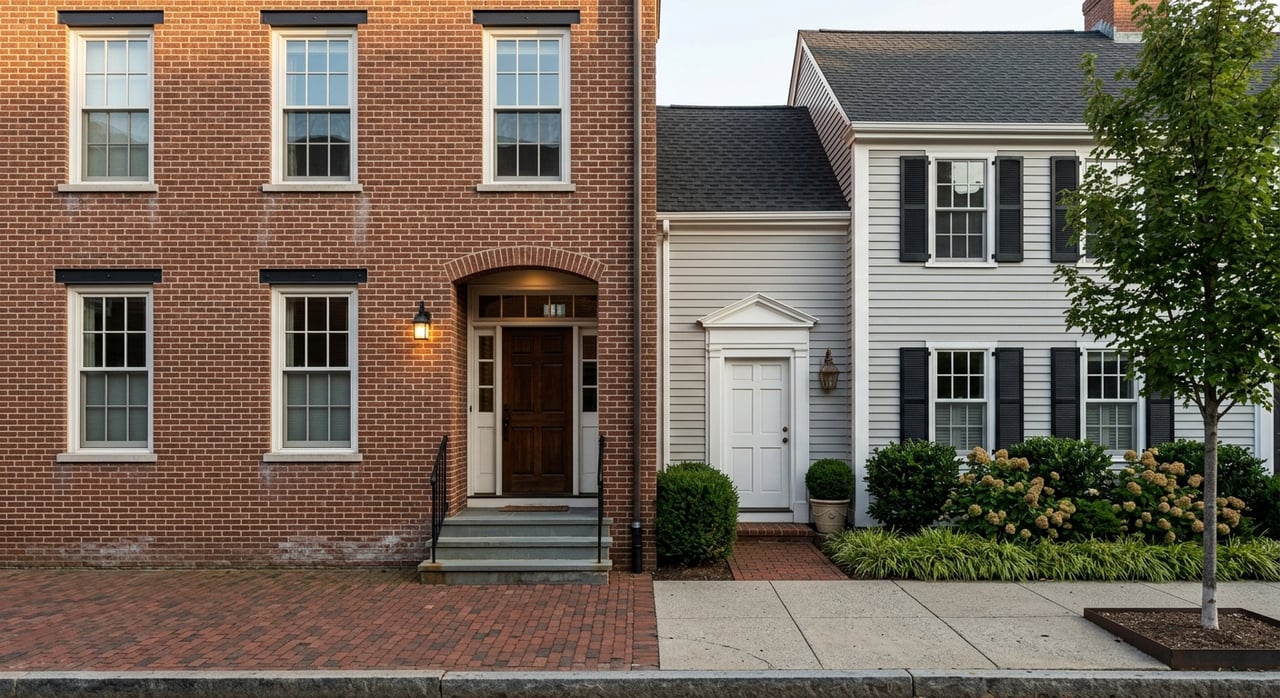
Think Federal and Victorian-era brick near Market Square, State Street, and Pleasant Street. Many are mixed-use, with street-level retail below residences. Expect character, smaller storage options, and limited on-site parking.
Exterior changes within the historic district are reviewed by the City’s Historic District Commission. If you plan any exterior work, learn how the process and approvals work through the city’s Historic Preservation page at the outset. You can review the commission’s role and processes on the City of Portsmouth site about historic preservation: Historic district guidance and approvals.
These older-house conversions often have modest monthly dues and owner-managed associations. Documentation and reserves can vary. Expect mixed-age mechanicals, older windows, and sometimes dated electrical or plumbing.
Newer buildings and mid-rise infill usually offer elevators, in‑unit laundry, reserved parking, and professional management. Monthly HOA fees are higher than small conversions because they cover more building systems and services. In recent downtown listings, fees often land in the low to mid hundreds per month, with inclusions like common-area insurance, snow removal, and trash.
Developers have introduced micro-unit projects near the North End and downtown fringe. These are small-footprint homes that maximize walkability and convenience. They tend to command a higher price per square foot and may not include parking. For an example of this trend, see coverage on Portsmouth micro-condos: Micro-unit projects in downtown.
New Hampshire’s Condominium Act (RSA 356‑B) sets out how condos are formed and how associations operate. It also outlines what you can review before you buy. The statute provides your right to key disclosures, including budgets, reserves, insurance, bylaws, and pending litigation. You can read the statute overview here: New Hampshire Condominium Act.
Associations hold a lien for unpaid assessments under RSA 356‑B:46. That is why you should confirm any outstanding assessments and understand collection history before you commit. See the lien section summary: Association liens under RSA 356‑B:46.
Ask for these items with your offer or right after acceptance:
Older downtown buildings often reveal similar inspection themes. Plan a general home inspection plus a few targeted add-ons. Local inspectors outline common risks and extra checks for historic properties: Typical Seacoast inspection issues.
Recommended specialist tests often include a lead risk assessment, asbestos sampling when renovation is planned, a sewer scope, chimney inspection, radon test, and a licensed-electrician panel review. These go beyond the standard home inspection but are common in historic downtown purchases.
What you gain: original millwork, tall ceilings, and that timeless brick-and-stone streetscape near the waterfront. What to budget for: variable mechanicals, possible future capital projects, and limited parking. Exterior changes within the district may require a Certificate of Appropriateness. Learn more about the review process here: Portsmouth Historic District overview.
What you gain: elevators, central HVAC, in‑unit laundry, and predictable services through a professional HOA. What to budget for: generally higher monthly fees to cover building systems, insurance, snow removal, and amenities. You trade some historic quirks for turnkey living.
If you are near the waterfront, your insurance and maintenance planning may look different. Ask for any elevation certificates, review FEMA flood maps, and discuss Risk Rating 2.0 implications with your insurer. Confirm whether the HOA’s master policy covers flood, and if not, how unit owners insure individually.
A quick rule of thumb: if flood risk is part of the picture, verify prior water intrusion history, check mechanical and electrical equipment heights, and plan for how the association handles resilience upgrades.
Follow this timeline for a smoother purchase:
The right condo is a balance of place, budget, and building health. You want a trusted local who can source options, secure documents fast, and flag risks before they become costs. Our team lives and works this market daily and can streamline each step, from first tour to closing.
If you are ready to explore downtown Portsmouth condos, reach out to Emil Uliano for a local, high-touch plan that fits your goals.
Stay up to date on the latest real estate trends.

We are committed to guiding you every step of the way—whether you're buying a home, selling a property, or securing a mortgage. Whatever your needs, we've got you covered.

40 Pleasant St Portsmouth NH 03801