
Your Downtown Portsmouth Neighborhood Guide for Buyers
February 5, 2026
February 5, 2026
Ever pictured your front door opening to brick sidewalks, local cafés, and the glow of Market Square at night? If you are drawn to walkable living with history and culture at your fingertips, downtown Portsmouth could be a great fit. You want real facts about housing types, parking, transit, and the tradeoffs that come with a lively core. This guide gives you a clear, local view so you can move forward with confidence. Let’s dive in.
You will find a compact, historic seaport center with a strong sense of place. The core around Market Square is dense and mixed-use, with restaurants, cafés, small shops, and waterfront access within a short stroll. Streets are narrow, sidewalks are active, and many daily errands can be done on foot or by bike.
Summer brings visitors, outdoor dining, and festivals that energize the streets. Expect more weekend foot traffic and some congestion. Winters are quieter, but downtown remains active year-round.
Local markets, specialty food shops, banks, and services are within a 5 to 10 minute walk of the center. For bigger grocery runs or big-box shopping, you will likely make a short drive beyond the most central blocks. Health care providers serve the city, and a regional hospital is nearby. If schools or childcare matter to you, confirm district boundaries and enrollment rules for your specific address.
Culture lives in the heart of downtown. You can access historic museums, a performing arts venue, seasonal programming, and a concentration of independent restaurants and craft breweries. Small music and event venues add to the scene, which appeals to professionals who want options in walking distance.
Festivals, outdoor dining, and weekend traffic add to the vibe. They can also bring intermittent noise and higher parking demand. If you prefer a quieter setting, consider streets a few blocks from the busiest nodes or adjacent neighborhoods that still keep you close to the core.
Downtown housing is varied, with options that balance character and convenience. You will see a mix of historic conversions, low- to mid-rise condos, and townhouse-style units, plus nearby single-family homes in walkable areas just beyond the center.
Many condominiums are in converted buildings from the 18th and 19th centuries. These often feature exposed beams, brick details, and unique floor plans. Rooms can be smaller and layouts can vary. Older structures may require more ongoing maintenance, so factor that into your due diligence.
Purpose-built 2 to 6 story buildings are part of the market. These often include elevators, managed common areas, and modern mechanical systems. Newer infill projects sometimes offer luxury finishes and select amenities.
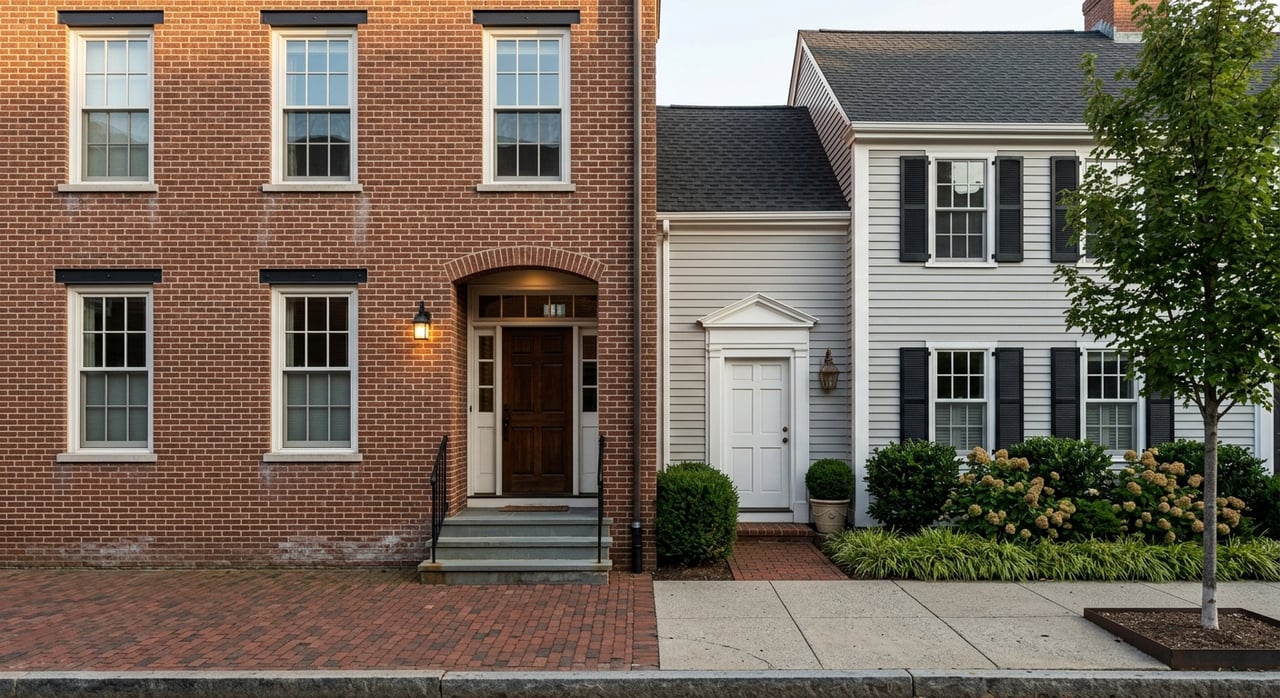
You will find multi-level walk-up townhomes and brick rowhouse-style condos on streets near the core. These often provide more separation of space and a residential feel, while keeping you close to shops and restaurants.
If you want more interior space without giving up walkability, look at adjacent neighborhoods like the South End or West End. Older single-family homes, many renovated, are a short stroll or drive to downtown.
Urban buyers often seek in-unit laundry, modern kitchens and baths, and some outdoor space, like a balcony or roof deck. Secure entry and off-street parking are common priorities. Keep accessibility in mind. Some older buildings do not have elevators and may have narrow staircases.
Condo associations vary. Review monthly fees, reserve fund health, special assessment history, rental and pet policies, and insurance coverage to see who covers what. Older historic buildings can carry higher maintenance costs or deferred repairs. Utilities may be individually metered or included in HOA fees. In older stock, confirm insulation, heating system type, and any recent upgrades, since heating costs can be higher.
Parking is one of the most important planning items for downtown buyers. The core includes a mix of on-street metered spaces, municipal lots and garages, time-restricted zones, and condo-assigned spaces. Many buyers prioritize a dedicated spot if possible. Confirm whether your unit has assigned parking, guest options, and any size restrictions.
Some neighborhoods use resident parking permits or time limits. Rules can change, so verify current municipal permit details as part of your offer planning.
New Hampshire does not have a general state sales tax or a broad income tax on wages. Local property taxes are a primary revenue source, so review Portsmouth’s municipal tax rate and recent assessments for the properties you are considering.
Standard mortgage requirements apply. Some lenders may ask for higher down payments on condos, depending on the health of the association and owner-occupancy ratios. Your lender can also advise on condo review items during underwriting.
Parts of downtown near the waterfront may be in FEMA flood zones or exposed to coastal flood risk. Ask for FEMA flood map data and elevation certificates for specific properties. Lenders will confirm whether flood insurance is required. Budget for National Flood Insurance Program or private flood premiums if applicable, and consider how future resilience planning could influence costs over time.
Much of downtown falls under historic preservation review. Exterior changes, additions, signage, and some demolition often require approval from preservation boards or planning commissions. Renovations in older buildings may need specialized contractors and adherence to guidelines, which can lengthen timelines and increase costs. If you plan a renovation, confirm restrictions early and build extra time into your schedule.
Use these questions to guide your due diligence:
Focus your inspection and follow-up questions on these areas:
Buying downtown is about fit, details, and timing. You want accurate guidance on parking, flood risk, HOA health, and the realities of living near Market Square. Our boutique team brings high-touch service with deep local knowledge across the Seacoast. We help you:
When you are ready to explore condos and townhomes in the heart of it all, reach out to Emil Uliano. Let’s make downtown living work for you.
Stay up to date on the latest real estate trends.
We are committed to guiding you every step of the way—whether you're buying a home, selling a property, or securing a mortgage. Whatever your needs, we've got you covered.

40 Pleasant St Portsmouth NH 03801