Living in Rye NH: Your Coastal Lifestyle Overview
March 24, 2026
March 24, 2026
Picture a quiet morning with salt air, soft light on the water, and a short drive to dining and culture when you want it. If that balance sounds right, Rye, New Hampshire may fit your coastal wish list. You will find relaxed beaches, nature-forward parks, and a premium housing market shaped by the shoreline. In this guide, you will learn where Rye sits, how daily life flows, what housing looks like, and the key checks to make before you buy. Let’s dive in.
Rye is a small Seacoast town with a population of 5,543, according to the 2020 U.S. Census. That scale helps keep the feel residential and low-key. You get a town that knows itself and values its coastal setting. Census quick facts list Rye at 5,543 residents.
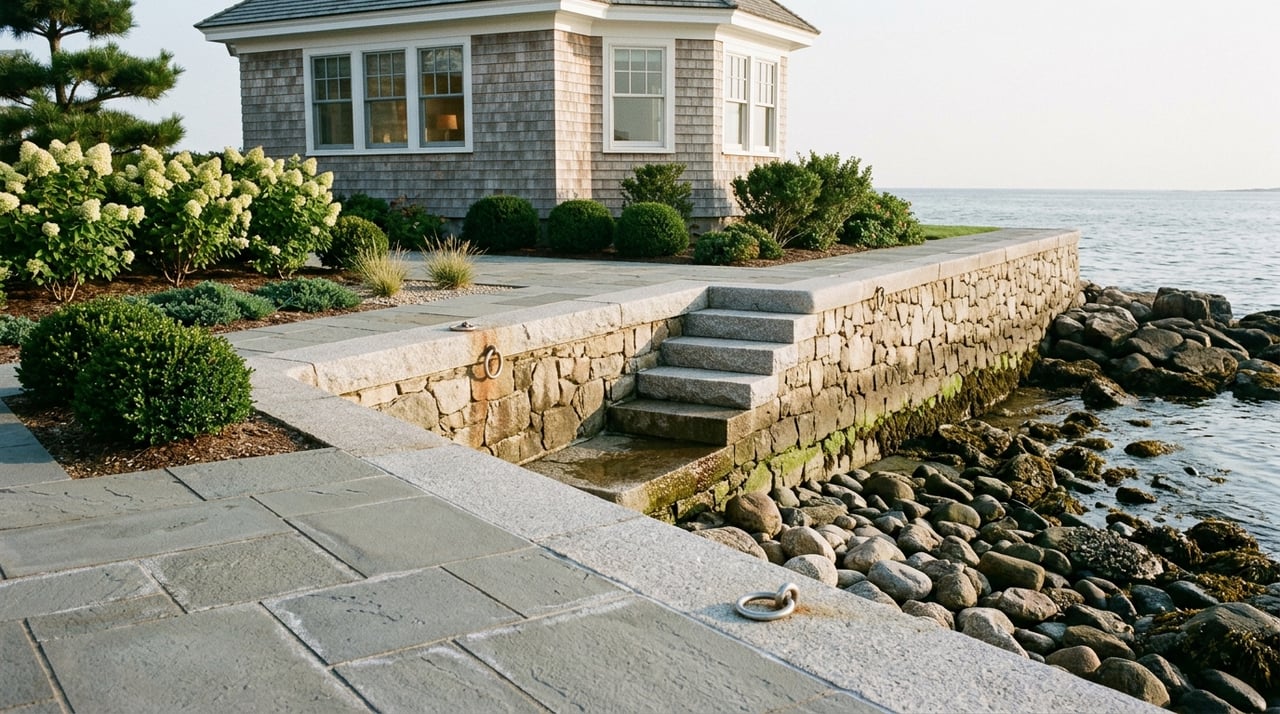
The landscape shapes life here. Town planning documents note about 12.6 square miles of land, framed by rocky headlands, sandy beaches, and salt marshes. These natural features guide development and preserve coastal character. You will see that in how neighborhoods sit near the shore and how open spaces connect to the water. Review the town’s master plan chapter on land use and resources for the big picture.
Location is a strong plus. Rye sits about 5–6 miles from Portsmouth, often a 10–15 minute drive depending on route and traffic. Boston is within day‑trip range by car. That makes Portsmouth your nearby hub for restaurants, arts, and services while you enjoy a quieter home base. See estimated driving distance on this Rye to Portsmouth map reference.
Rye runs its own water district and has a town sewer department. Beach precincts such as Rye Beach Village District and Jenness Precinct handle some local services and separate assessments. Always check parcel‑level utility status and precinct details during due diligence. Start with the Rye Water District and town pages.
If you picture long walks by the water and easy-going beach days, you will feel at home here. Rye includes several beloved state-managed spots. The headliner is Odiorne Point State Park, where trails wind along rocky shore and the Seacoast Science Center hosts family-friendly marine programs. For an overview of amenities and programs, visit the Odiorne Point State Park page.
You will also hear locals talk about Wallis Sands State Park for a classic sandy beach day. Jenness State Beach is smaller and popular with families. Rye Harbor State Park offers harbor views and picnic spots. Summer weekends can feel lively. Weekdays and shoulder seasons return to a calm, coastal pace.
Boating and paddling are part of the lifestyle. Rye Harbor and Little Harbor offer access to protected waters, with public put‑ins and marina facilities noted on coastal access maps. You will see kayaks and paddleboards on calm mornings, and small-boat launches around harbor sites. For an overview of public access points, review the NH Coastal Program’s coastal access map reference.
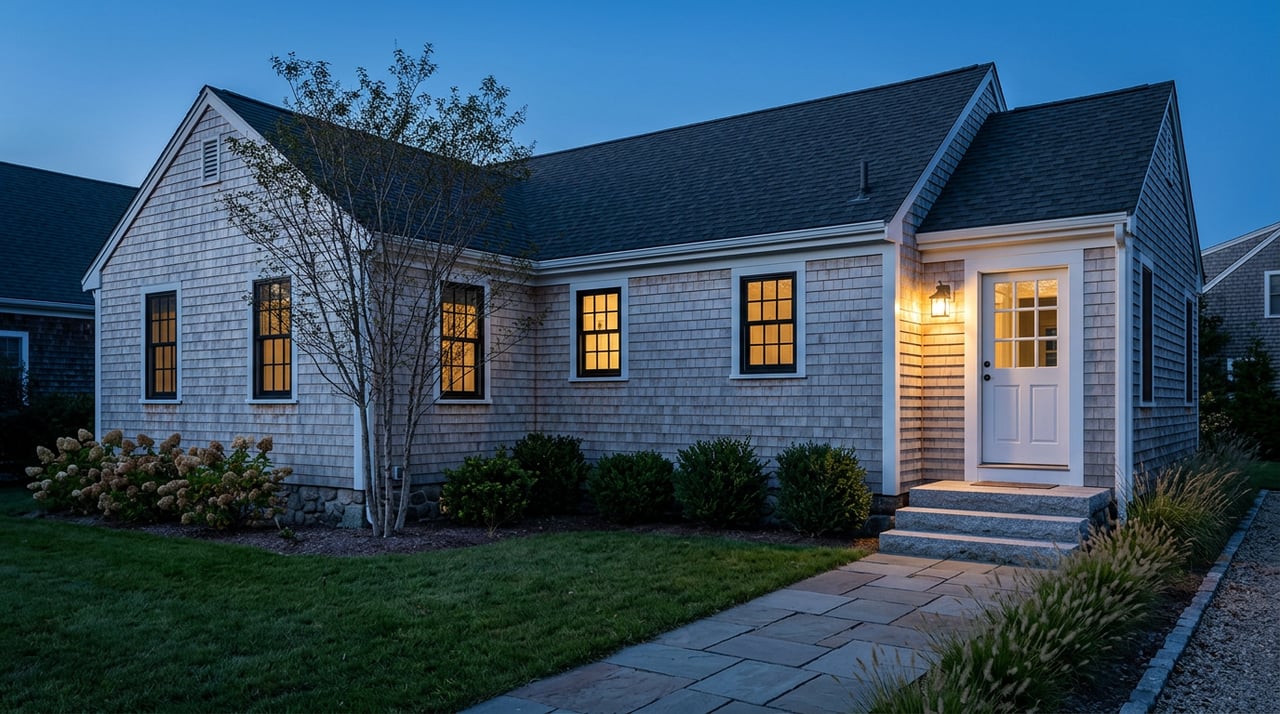
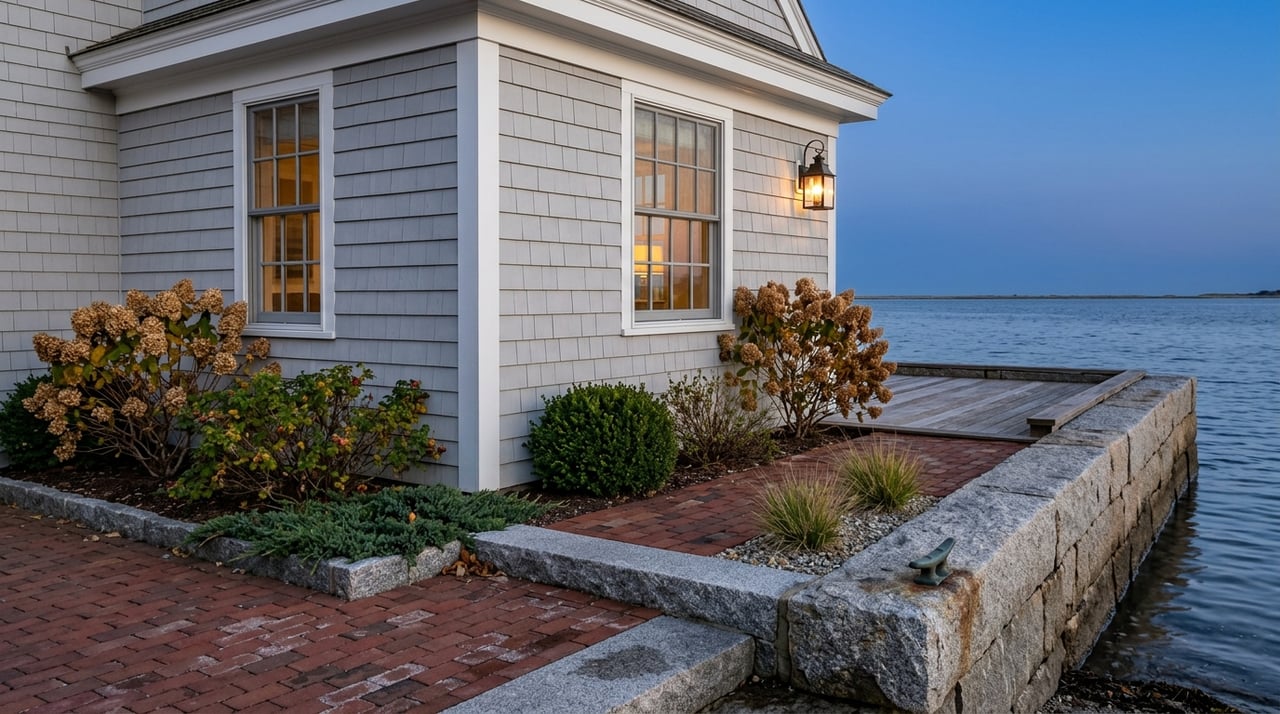
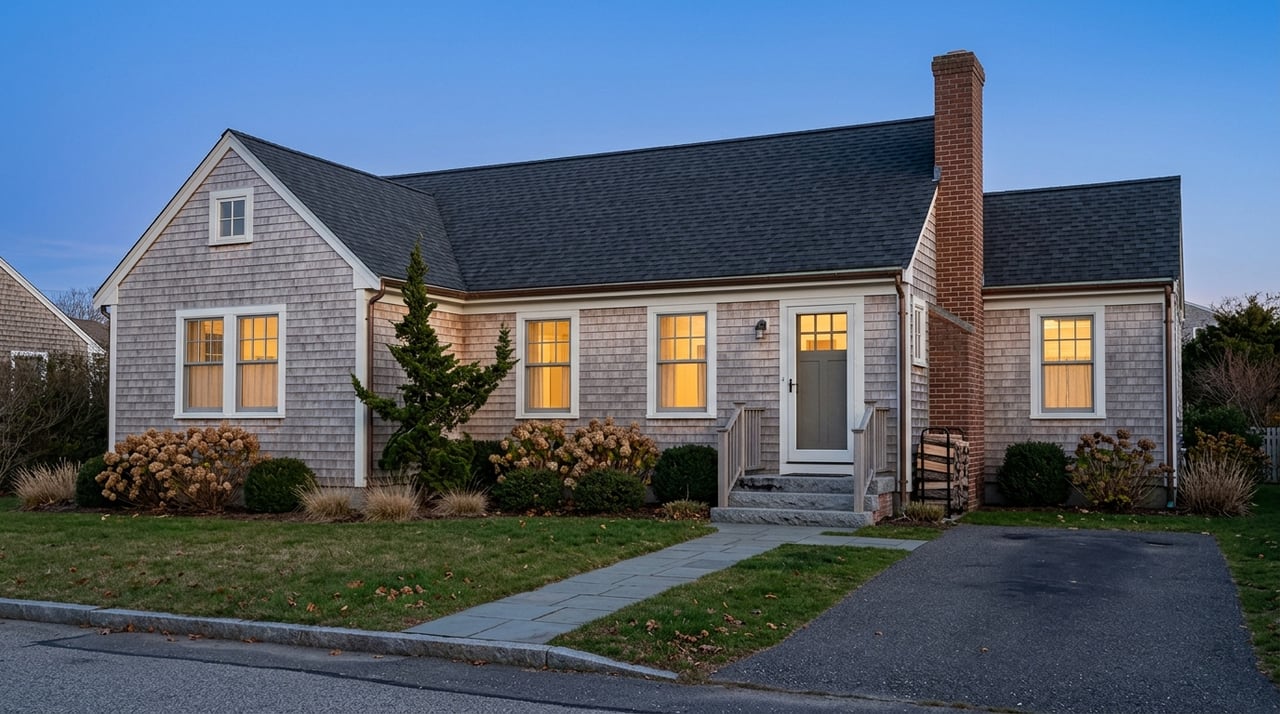
Rye’s housing reflects its shoreline. The town’s planning documents point to a mix of single‑family homes, small-lot beach cottages, multi‑family properties, and a noticeable seasonal stock. Many buyers choose Rye for ocean proximity, classic New England architecture, and a quieter pace than a city center. Learn more in the town’s master plan chapter on housing and constraints.
What you will see on the ground:
Zoning, wetlands, and shallow ledge limit large-scale development in many areas. That keeps supply tight along the water and helps explain why ocean-adjacent properties trade at a premium.
Rye is a premium Seacoast market. Oceanfront or oceanview properties typically command higher prices, and small differences in view, frontage, or lot constraints can change value. Inland single‑family neighborhoods may offer relative affordability, but inventory is often limited.
Market numbers change quickly by season and by property. Use live MLS data with your agent for specifics and plan for variation by block, water exposure, and renovation potential. The town’s planning documents also explain how zoning and environmental factors affect what you can build or expand, which influences value.
Schools follow a simple structure. Rye operates K–8 schools in town, and students attend Portsmouth High School under the regional SAU 50 agreement. Families often like the small‑town K–8 setting with a larger high school experience nearby. See district details at SAU 50.
Healthcare is close by in Portsmouth, including full‑service hospital care and specialists. Urgent care and major services are typically accessed in the Portsmouth medical network. Many residents also use providers across the wider Seacoast.
Travel is straightforward. Portsmouth International Airport at Pease provides regional flights and quick access. For major routes, residents often drive to Boston Logan or Portland depending on destination and schedule.
Shopping and dining feel balanced. Rye offers a select set of local eateries and shops. For a broader scene and events, you will likely head to Portsmouth’s Market Square and surrounding streets. It is a short drive to a lively hub of restaurants, culture, and festivals. Get a feel for the area with this Portsmouth overview.
Coastal property comes with special checks. A focused review early in your search can save time and surprises later. Start with these points:
Rye feels quieter and more residential, with beaches and parks as everyday backdrops. Portsmouth is the nearby hub for restaurants, arts, shopping, and nightlife. Many Rye residents do daily life at home and head into Portsmouth for dining, culture, and medical care. For a quick orientation to the hub experience, scan this Portsmouth area snapshot.
If you want a calm base with quick access to a vibrant small city, Rye’s location is hard to beat.
When you are ready to explore Rye, it helps to work with a team that knows every beach street, precinct, and inland pocket. Our boutique, high‑touch approach pairs local insight with premium presentation and smooth coordination. Whether you are searching for an ocean‑adjacent cottage or a classic New England home, we can guide you to the right fit and help you navigate flood, utility, and permitting questions with confidence.
Have questions or want a pricing read on your property? Connect with Emil Uliano to get started.
Stay up to date on the latest real estate trends.
We are committed to guiding you every step of the way—whether you're buying a home, selling a property, or securing a mortgage. Whatever your needs, we've got you covered.
40 Pleasant St Portsmouth NH 03801