Thinking about selling your North Hampton home but not sure when to list? Timing affects how many buyers you attract, how quickly you sell, and the price you can command. You want a plan that fits your goals, your property, and our Seacoast market. In this guide, you’ll learn the best listing windows by season, the trade-offs to consider, and a practical 3–6 month prep checklist so you can launch with confidence. Let’s dive in.
North Hampton timing basics
North Hampton follows a familiar New England rhythm, with the strongest buyer interest in late spring and early summer. Warmer weather boosts curb appeal, and buyers can preview the beaches and coastal lifestyle that draw people to the Seacoast. Families often aim to move over summer break, which makes April to June especially active.
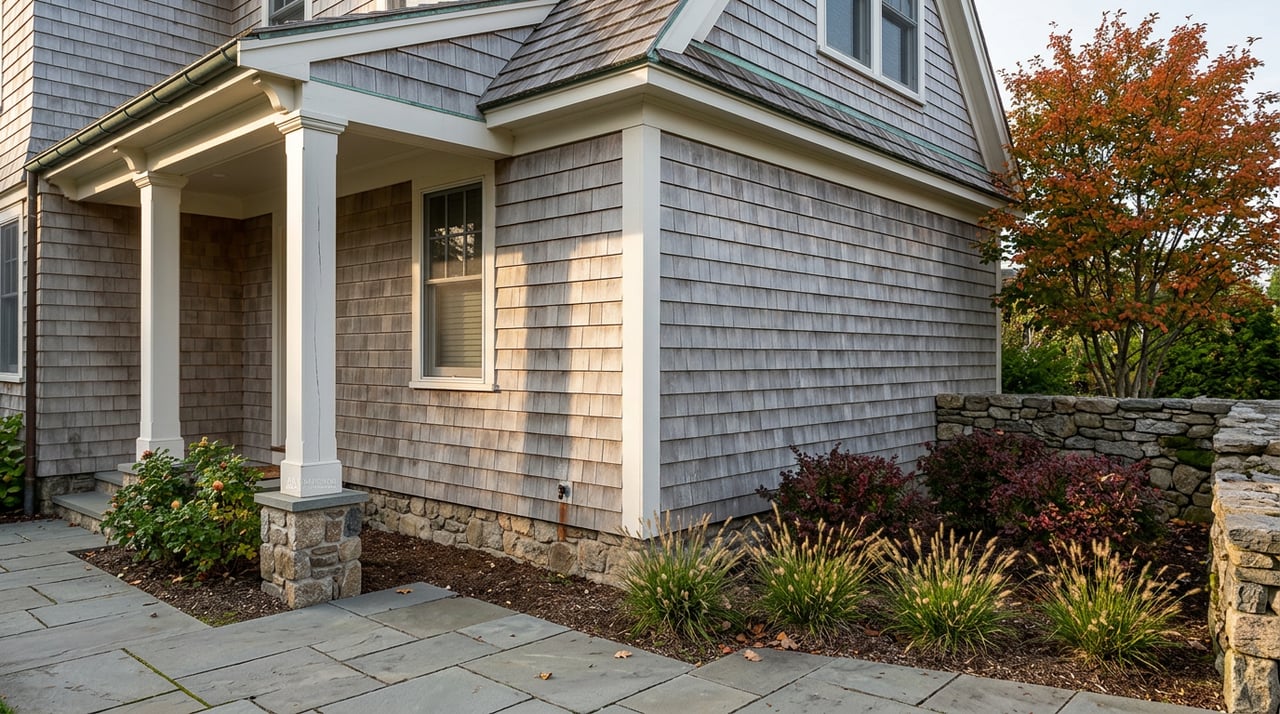
Local demand also comes from second-home buyers and people relocating from nearby job centers who want proximity to the coast. Beach season and tourism increase visibility for coastal properties, but that same window typically attracts more competing listings. Weather matters too. Snow and dormant landscaping in winter can make showings and inspections harder, while spring cleanup and fresh plantings help your home shine.
Season-by-season breakdown
Spring: March to June
- Pros: Peak buyer activity starts, curb appeal improves, and buyers aim to close before or during summer.
- Cons: More competing listings hit the market. Homes that need fixes face tough comparisons.
- Best for: Sellers targeting the highest price or faster sale, properties with strong curb appeal, and households aligning moves with the school calendar.
Early–mid summer: June to August
- Pros: Buyers can see beaches and enjoy the coastal lifestyle during visits. Summer photos and drone visuals elevate marketing.
- Cons: Some buyers and agents travel in midsummer, which can dip showing volume around holidays. Competition can remain high.
- Best for: Homes marketed for Seacoast living or with features that show best in warm months.
Fall: September to November
- Pros: Less competition if others listed earlier. Many buyers are motivated by year-end plans or relocations. Fall colors boost curb appeal.
- Cons: The buyer pool is smaller than spring. Offers may be more price-conscious.
- Best for: Sellers who prefer fewer showings and are comfortable negotiating.
Winter: December to February
- Pros: Lowest competition and highly motivated buyers. You may achieve a faster path to agreement if priced well.
- Cons: Weather can complicate access, curb appeal, and scheduling. Overall buyer traffic is lighter.
- Best for: Sellers prioritizing speed or those with move-in-ready homes that stand out when supply is thin.
Match timing to your goal
- Maximize price: Aim for late April through June when buyer traffic peaks and curb appeal is strongest.
- Sell faster with less competition: Consider late fall or winter. Be realistic about pricing given a smaller buyer pool.
- Leverage the coastal lifestyle premium: List in late spring or early summer so buyers can experience beaches and outdoor amenities. Expect more competition, so your presentation and pricing strategy should be sharp.
Your 3–6 month prep plan for spring
Target listing window: April to June. Adjust the schedule if you plan to list in another season.
6 months out
- Clarify your goals: price, timing, and flexibility on contingencies.
- Review recent local comps and seasonal patterns with a Seacoast-focused agent.
- Engage an experienced listing agent who knows coastal Rockingham County.
3–4 months before listing
- Consider a pre-listing inspection to uncover repairs early.
- Start big-ticket repairs and updates like roof touch-ups, exterior paint, and HVAC service.
- Plan staging, decluttering, and landscaping; book contractors ahead of spring demand.
8–12 weeks before listing
- Deep clean, declutter, and depersonalize. Edit furniture to open up sightlines.
- Finalize a staging plan and gather key documents: surveys, utilities, tax records, warranties, septic or sewer paperwork, HOA info, and any prior inspection reports.
4–6 weeks before listing
- Schedule professional photos and, if appropriate, drone shots for your listing week.
- Align on marketing strategy, including open houses, private showings, and online tours.
- Build a pricing ladder with your agent so you can respond to feedback and activity.
- Confirm showing logistics, especially if the property has short-term rentals or seasonal occupants.
1–2 weeks before listing
- Complete punch-list repairs and exterior cleanup.
- Add final staging touches and fresh mulch or planters for curb appeal.
- Prepare disclosures and confirm required forms with your agent or attorney.
- Choose the listing day strategically. Many sellers launch early in the week to capture weekend showings.
Listing week
- Activate the listing on MLS and go live across channels.
- Be flexible with showings. The first two weeks often deliver the highest traffic.
After launch
- Monitor feedback and showing volume.
- Adjust price or marketing focus if activity is below expectations.
- Prepare for negotiations, inspections, and closing milestones.
Data and logistics to get right
Track local stats
Monitor monthly new listings, closed sales, median price, days on market, and inventory for North Hampton and Rockingham County. Pair those with mortgage rate trends to understand buyer affordability and demand. Use current month-by-month data so your timing reflects the latest patterns.
Price to the market
Base your list price on recent comparables from the past 30–90 days and the season you’re entering. Spring comps often support higher pricing, while off-peak months may require more aggressive positioning. Decide upfront whether your priority is speed, maximum price, or flexibility.
Disclosures, rentals, and inspections
Confirm all required property disclosures with your agent or attorney. If your home has short-term rental use, coordinate bookings well ahead of listing and check any local ordinances. For coastal properties, anticipate buyer questions about things like flood risk or moisture. Address obvious issues before going live to reduce surprises during inspections.
Showing strategy and marketing
Make access easy and consistent. Clear walkways, ensure good lighting, and keep the home at a comfortable temperature. Highlight North Hampton lifestyle benefits in your marketing, including proximity to beaches, marinas, and dining. Strong visuals, clear floor plans, and concise feature lists help buyers move from curiosity to an in-person showing.
How SellingTheSeacoast helps you time it right
You deserve a listing strategy built around the Seacoast market’s rhythm. As a boutique team with coastal expertise, premium marketing, and full-service coordination, we help you choose the right window, present your home at its best, and negotiate with confidence. Our approach combines local insight, proven listing preparation, and multi-channel exposure to meet your goals.
Ready to plan your timeline and pricing strategy for North Hampton? Connect with Emil Uliano to Request a Free Home Valuation and get a custom, data-informed plan for your property.
FAQs
When is peak season to list a North Hampton home?
- Late spring into early summer typically brings the most buyer traffic and strongest curb appeal in coastal New England markets.
Does beach season help or hurt my listing?
- It boosts interest in coastal living and lifestyle showings, but more sellers also list then, so presentation and pricing matter.
How does the school calendar affect timing for sellers?
- Many families aim to move over summer, so listing in spring increases the odds of a smooth close before the new school year.
What if I need to sell quickly in North Hampton?
- Consider listing in late fall or winter when competition is lower and motivated buyers are searching, and price accordingly.
Should I pause short-term rentals before going on market?
- Yes. Plan ahead to avoid guest conflicts, allow easy showings, and confirm any local rules that may apply to rental use.