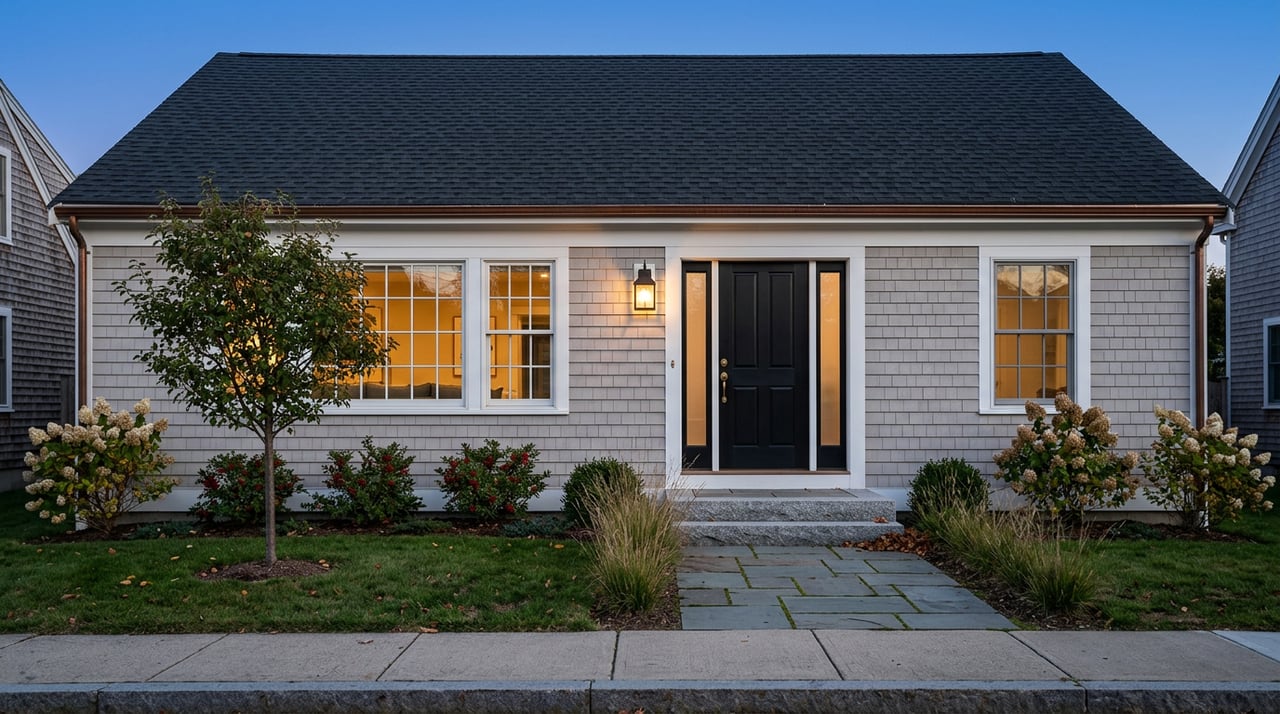
Portsmouth Home Selling Tips for a Smoother Sale
March 5, 2026
March 5, 2026
Are you getting ready to sell in Portsmouth and want the process to feel calm, clear, and profitable? You’re not alone. The Seacoast market moves fast in the right segments, and small decisions on timing, pricing, and presentation can add up to a big difference in your result. In this guide, you’ll learn practical, local steps that help you sell with confidence, from Portsmouth-specific pricing tips to NH disclosures and offer strategy. Let’s dive in.
Portsmouth sits at the high end of the Seacoast. In January 2026, Redfin reported a median sale price around $1,087,500 with a median days-to-pending near 43. Zillow’s home-value index for the same period showed a typical home value in the $757k–$768k range. These figures use different methods, which is why you’ll see a spread.
Local board data shows a split market by property type. The Seacoast Board of REALTORS noted steady high-end single-family activity through 2024–2025, while condo results were more mixed. That means pricing and marketing should reflect your property type and neighborhood, not just the citywide average. You can review the Board’s monthly bulletins for context on inventory and segment trends in Portsmouth and nearby towns (Seacoast Board housing statistics).
The takeaway: set price with a Portsmouth-specific CMA, narrow to your product type, and calibrate using the most recent solds, pendings, and active competition.
Spring is the prime season locally. National research points to mid April as the historical “best week” to list for views and speed, and Portsmouth typically sees its biggest surge from April through June. Summer and early fall can also perform well, especially for homes with outdoor appeal or coastal proximity.
Inventory often rises quickly in spring, so presentation and pricing need to be competitive to stand out. A simple launch tactic that works: list late in the week, usually Thursday, to capture peak weekend traffic. If you expect strong interest, set clear instructions on how and when you’ll review offers.
A great sale starts before your home hits the market. Small upgrades, clean lines, and complete documentation help buyers feel confident and reduce friction once you’re under contract.
New Hampshire requires written disclosures for 1–4 unit residential properties covering private water supply, private sewage systems, insulation, and whether the property sits in a federally designated flood hazard zone. Sellers also must provide notification language regarding radon, arsenic, and lead. These are statutory notices, not warranties, but they are mandatory disclosures. Learn more by reviewing the relevant sections of the New Hampshire Revised Statutes (RSA 477 overview).
Create a simple packet to share with buyers and agents:
If your home was built before 1978, federal law requires a lead-based paint disclosure. You must provide the EPA pamphlet, disclose known hazards, and give buyers a 10-day period to conduct a paint inspection or risk assessment unless they waive it in writing. Review the full requirements here (EPA lead disclosure rules).
A seller-paid inspection can help you address material issues ahead of time, reduce renegotiation risk, and keep your timeline on track. It also lets you show receipts and repairs proactively, which boosts buyer confidence. For additional context on competitive offer environments and preparedness, see NAR’s guidance on multiple offers (NAR field guide).
Under the New Hampshire Condominium Act (RSA 356-B), buyers expect a resale package that includes governing documents, association financials, insurance certificates, rules, meeting minutes, and any current or pending assessments. Get these materials ahead of your listing so lenders and buyers can underwrite quickly. Timing matters for condo deals, and a complete package reduces the chance of delays.
A precise CMA is your foundation. In Portsmouth, value shifts by neighborhood and property type. Price using recent sold comparables from the last 90 to 180 days, then factor in current active listings and pendings to understand your competition. If the market is moving fast, weight pendings a bit more heavily.
Decide your pricing path based on your goal:
In some high-demand segments, strategic underpricing can spark a bidding environment. In more balanced segments, especially certain condo niches, it may leave money on the table. Your agent’s local comps and board data will clarify which strategy fits your property.
First impressions happen online. Invest in professional photography, thoughtful staging, and a standout description that highlights lifestyle, function, and updates.
Aim to go live late in the week. Share clear showing windows and set expectations for how you will handle offers if demand is strong. If you anticipate multiple bids, post an offer deadline and communication plan in the listing notes so every buyer gets a fair shot and you control the timeline.
When several offers arrive, headline price is only one part of the story. Look closely at:
NAR’s guidance stresses reviewing offers objectively and following an ethical, transparent process that aligns with your goals (NAR field guide). If bids escalate above recent comparable sales, focus on whether the buyer offers appraisal-gap coverage or otherwise demonstrates the ability to close. For a plain-language overview of appraisal gaps and escalation clauses, this explainer is useful (appraisal gaps and escalations).
Common red flags to watch for include thin preapprovals, lenders unfamiliar with the loan type, heavy sale-of-home contingencies, and unusually low earnest money. The strongest offer is the one most likely to close on your timeline with the least risk.
Local data shows single-family homes often move faster and at higher medians than condos, while condo activity in 2024–2025 was more variable. If you’re selling a house, focus on move-in readiness, yard and outdoor spaces, and flexible living areas. If you’re selling a condo, your buyer pool may include more financing programs that depend on the association’s status.
For example, FHA and VA loans have project-level eligibility factors. Many buyers can use a single-unit approval route, but association financials, insurance, and occupancy ratios still matter. Understanding these pieces early helps you avoid last-minute surprises (FHA condo approval basics).
Use this quick checklist to organize your launch. Adjust timing to your situation.
Selling in Portsmouth rewards preparation and precision. Price by product type and neighborhood, align your launch with spring demand if possible, and enter the offer phase with a clear decision framework. With the right plan, you can reduce stress and maximize your net.
If you want a local, high-touch approach to valuation, premium listing marketing, negotiation strategy, and transaction coordination, connect with Emil Uliano to Request a Free Home Valuation and map your next steps.
Stay up to date on the latest real estate trends.



We are committed to guiding you every step of the way—whether you're buying a home, selling a property, or securing a mortgage. Whatever your needs, we've got you covered.

40 Pleasant St Portsmouth NH 03801