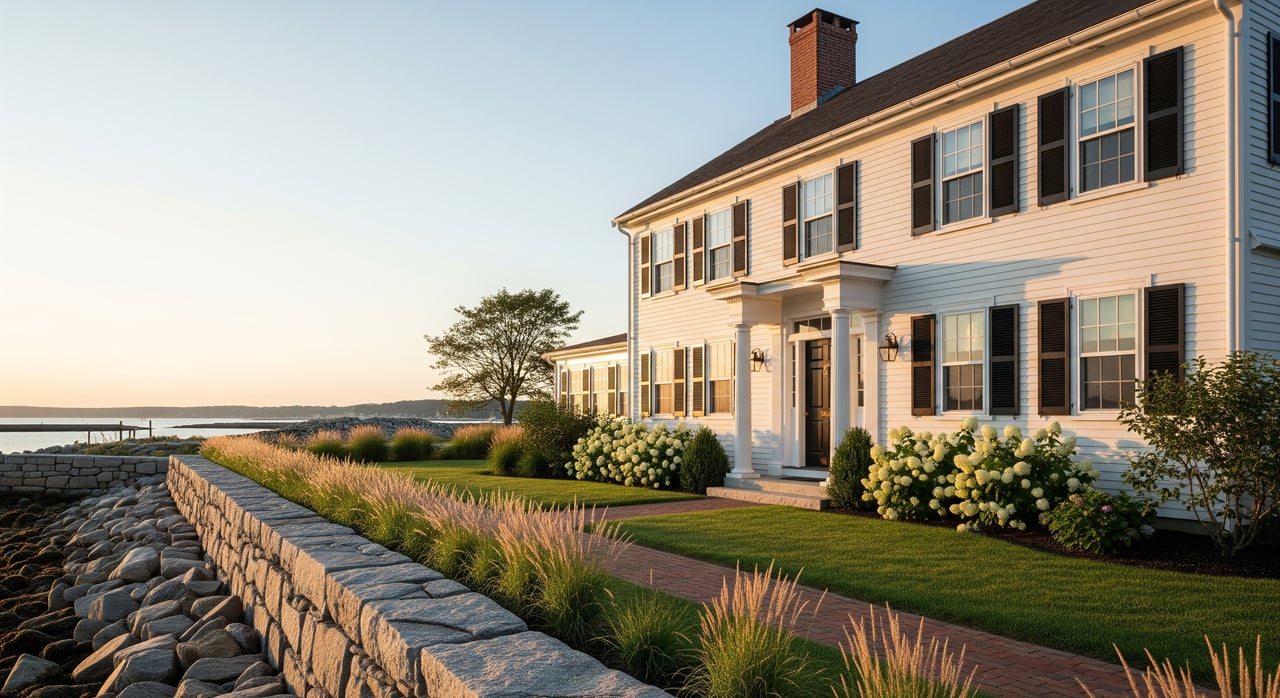
Key Insights for Buyers of New Castle Historic Homes
December 4, 2025
December 4, 2025
Is the charm of a New Castle antique calling your name, but you are unsure what “historic” really means for day-to-day living and future updates? You are not alone. Owning a period home on the Seacoast can be deeply rewarding, yet it comes with unique responsibilities and decisions. In this guide, you will learn what makes a home historic, how to research a property’s past, what to inspect before you buy, and how to plan respectful renovations that keep the character you love intact. Let’s dive in.
Not every older home is considered historic. The National Register of Historic Places typically uses an age guideline of about 50 years, but age alone is not enough. A property must also have significance and retain integrity that shows its history or architecture. You can explore how significance and integrity are evaluated in the National Register of Historic Places database.
There are different types of designation. A house can be individually listed on the National Register, part of a National Register district, in a locally regulated historic district, both, or neither. National Register listing is generally honorary for private owners unless federal funding or permits are involved. Local historic district status can bring review of exterior changes by a local board. If your home sits within a district, it may be labeled contributing or non‑contributing, which affects what changes may be approved.
Why this matters to you: designation influences project planning and timelines, can shape exterior design decisions, and may connect you with incentives for qualifying rehabilitations. It also signals the home’s stewardship needs and long-term maintenance priorities.
New Castle’s coastal heritage shows up in a range of Northeast styles:
Most older homes here are wood-frame with painted clapboards or shingles, wood trim, and double-hung sash windows. Foundations often use granite or fieldstone. Inside, you may find wide-plank floors, plaster walls, decorative mouldings, paneled fireplaces, and in earlier houses, exposed hand-hewn timbers.
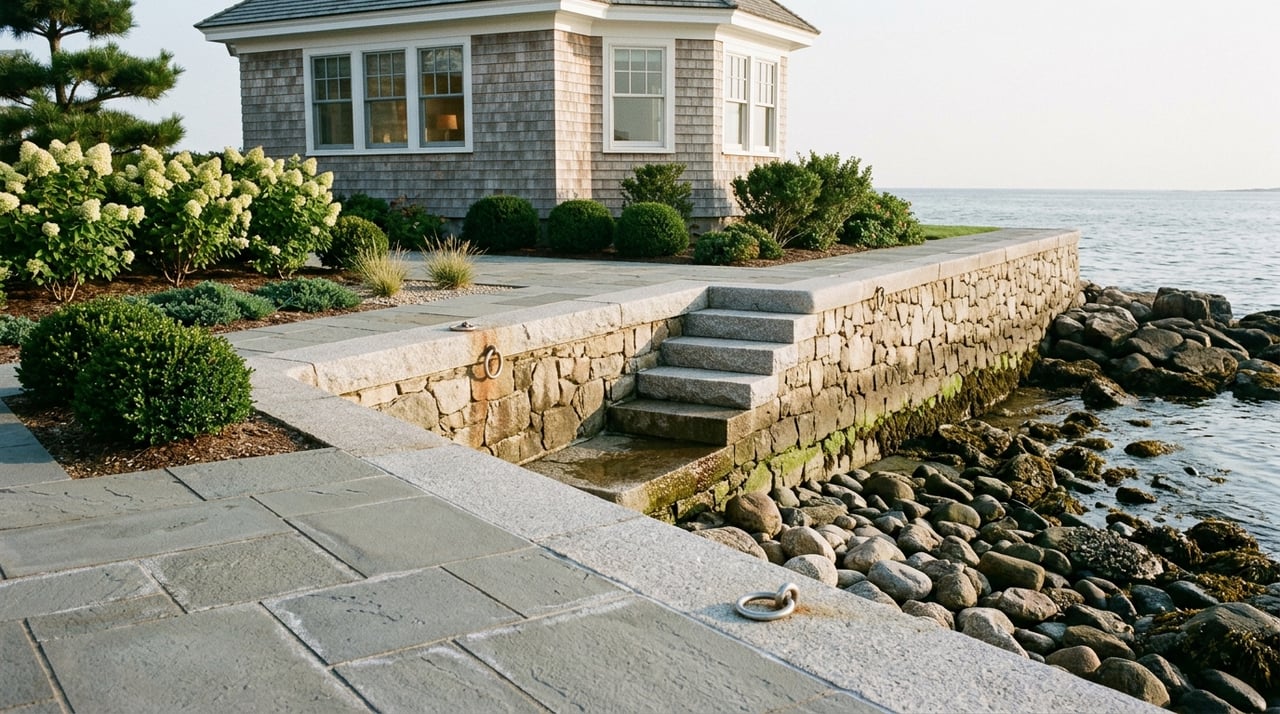
Salt air accelerates corrosion and wood deterioration, so exterior paint cycles and wood repair are common tasks. Porches, shutters, and site walls are common features. Location can bring higher exposure to wind, storm surge, and flood conditions, which affects roof maintenance, drainage, and insurance planning.
Start with records that explain what makes the property significant and which features matter most:
If the home is in a locally designated historic district, exterior changes may require a review or a Certificate of Appropriateness. Plan enough lead time to meet with staff or a board early, especially for windows, siding, roofing, porches, or additions. National Register listing by itself does not restrict private owners, unless a federal permit or funding is involved.
Historic homes reward careful inspection. Focus on safety, structure, and water first:
A helpful framework is the Secretary of the Interior’s Standards for Rehabilitation. In practice, that means you should identify character-defining features, repair rather than replace when feasible, keep new work compatible but clearly new, and choose solutions that are reversible when possible.
Most structural, electrical, plumbing, mechanical, and roofing work requires permits and inspections. If the home is within a local historic district, exterior alterations often need a board review. For any work that disturbs painted surfaces in pre-1978 homes, hire contractors certified under the EPA RRP Rule. Asbestos-containing materials require licensed handling. Depending on scope, you may need to bring elements up to current code for safety.
Coastal New Castle properties may sit in AE or VE flood zones, which affects lending and insurance. Use the FEMA Flood Map Service Center to check your zone and base flood elevation. For major repairs or rebuilding, you may need to meet elevation or mitigation requirements. Ask your insurer about wind coverage, roof tie-downs, and corrosion-resistant equipment choices that can reduce risk and improve resilience.
Budget for specialized work like custom millwork, sash repair, or lime-mortar repointing. Skilled trades preserve value and authenticity but often cost more than standard replacements. Federal rehabilitation tax credits are generally available for certified work on income-producing historic buildings. Homeowners should check current programs and guidance with the New Hampshire Division of Historical Resources and local preservation organizations; availability changes over time.
If you are considering buying or selling a historic home in New Castle, you deserve local guidance that respects both your goals and the property’s character. From pricing context to due diligence, we can help you plan a smooth path forward and connect you with preservation-minded professionals. Start a conversation with Emil Uliano to map your strategy.
Stay up to date on the latest real estate trends.
We are committed to guiding you every step of the way—whether you're buying a home, selling a property, or securing a mortgage. Whatever your needs, we've got you covered.

40 Pleasant St Portsmouth NH 03801