Thinking about turning part of your North Hampton property into steady income? An accessory dwelling unit can be a smart way to offset your mortgage, support family, or boost resale value, but coastal rules, septic limits, and parking can make the path feel complicated. You want clarity, a realistic rent number, and a plan that keeps you compliant and neighbor-friendly. This guide walks you through ADU options that fit North Hampton, how to estimate rent, and the steps to get from idea to income. Let’s dive in.
ADU basics in North Hampton
An accessory dwelling unit is a smaller, independent residence on the same lot as your primary home. Common ADU formats include:
- Internal ADU within the existing home, like a basement apartment or in‑law suite.
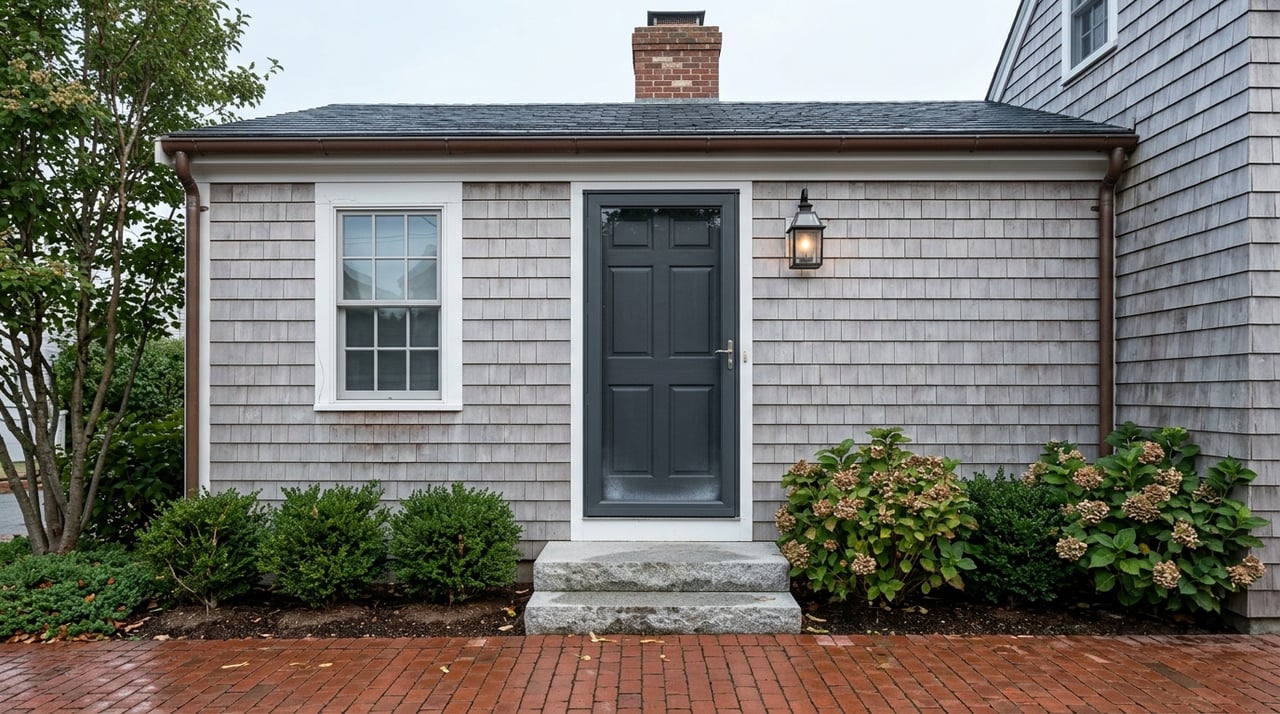
- Attached ADU created by converting or adding space that connects to the main house.
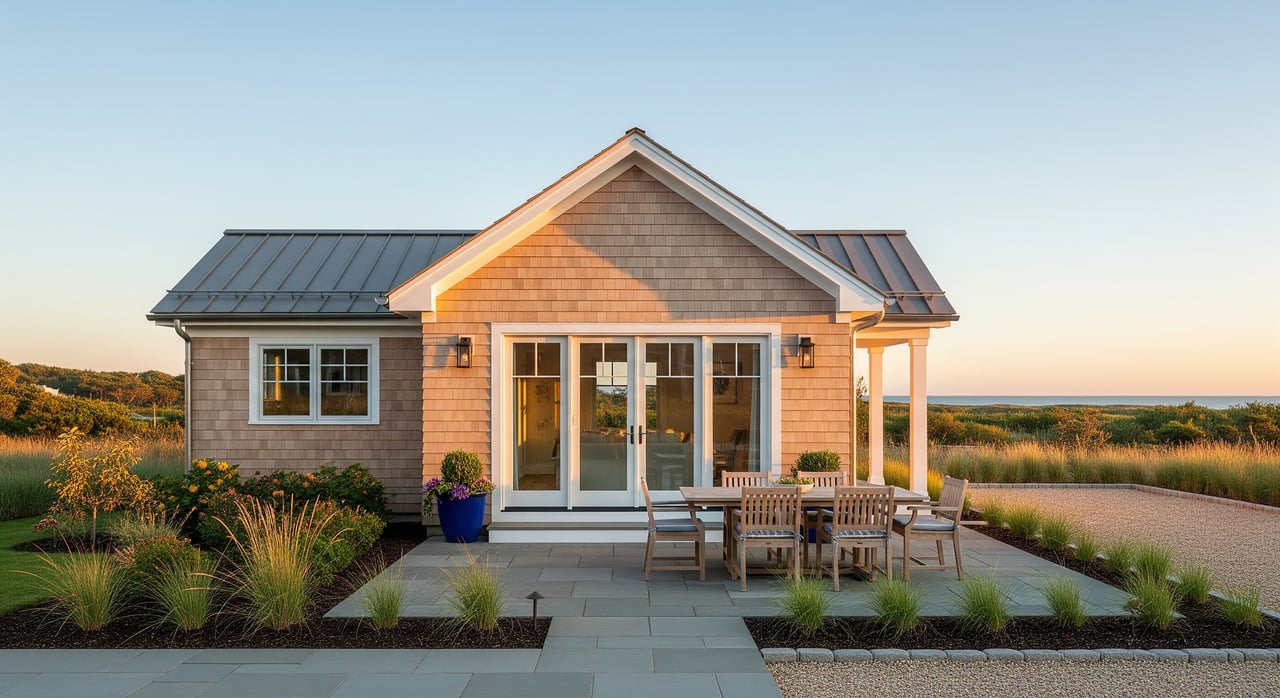
- Detached ADU as a standalone cottage, carriage house, or converted garage.
- Above‑garage apartment with separate access.
Each ADU type triggers different requirements. Expect checks on zoning, setbacks, size limits, parking, septic capacity, and building and life‑safety codes. Along the coast, floodplain and shoreline protections can also shape what you build and where you place it. These rules influence both what is allowed and your projected income, so confirm them early.
Income ideas that fit the Seacoast
Your best ADU strategy depends on local rules, your lot, and how hands‑on you want to be as a landlord.
Long‑term rental (12+ months)
A long‑term lease offers steady income and lower turnover. It tends to be easier to manage and finance, and it generally fits most zoning and occupancy rules when the unit meets code. This path is often ideal for internal or attached ADUs with a private entrance and dedicated parking.
Seasonal lease (spring–fall)
Coastal demand is highly seasonal. A fixed‑term lease aligned with Seacoast patterns can capture higher rents in warm months while keeping management simpler than nightly rentals. Confirm that your lease length and occupancy comply with local rules.
Short‑term rental (nightly/weekly)
Short‑term rentals can drive higher gross income, especially in summer. They also come with different insurance needs, higher operating costs, and often local registration or restrictions. Verify North Hampton’s short‑term rental policy, allowable nights, safety checks, and any local taxes before modeling this path.
Multi‑generational living with cost sharing
You can use an ADU for family and still offset costs through shared utilities or agreed contributions. If you later decide to rent, having a code‑compliant, self‑contained unit already in place provides flexibility.
Live‑small, rent‑big
Some owners downsize into the ADU and rent the primary home to maximize income. This can work well if you prefer a lower‑maintenance space and want to unlock a stronger cash flow. Check owner‑occupancy requirements before choosing this route.
What to verify before you build or rent
A short list of local touchpoints can save you time and rework:
- Zoning district and ADU allowances. Ask whether your lot permits internal, attached, or detached ADUs, and whether a special exception or variance is needed.
- Size and bedroom limits. Some towns cap ADU size relative to the main home or limit bedroom count.
- Owner‑occupancy rules. Confirm whether an owner must live on site.
- Short‑term rental treatment. Determine if STRs are allowed, and whether registration, inspections, or limits apply.
- Off‑street parking. Clarify how many spaces you need and whether tandem spaces qualify.
- Septic or sewer capacity. If you add bedrooms, a septic evaluation and potential upgrade may be required.
- Coastal and floodplain constraints. In coastal areas, setbacks, elevation, and floodproofing may apply and can affect cost and design.
- Building and life‑safety codes. Egress, smoke and CO detectors, fire separation, and utility standards must be met for a Certificate of Occupancy.
Local experts to contact include the Town’s Planning and Building Departments, Zoning officials, and the Town Assessor for tax impacts. At the state level, New Hampshire Department of Environmental Services is the key contact for septic and shoreland rules. A pre‑application meeting with the Planning Office is a smart early move.
Estimate rent and ROI with confidence
Start with a clear product definition. Decide if you plan to rent long‑term or short‑term, your bedroom count, whether utilities are included or separately metered, and what parking and outdoor space you will provide.
Then research comparable rentals across the Seacoast. Look at North Hampton first, and expand to Hampton, Rye, Portsmouth, and Greenland if needed. Match by unit type, size, condition, private entrance, dedicated parking, and proximity to beaches or commuter routes.
Adjust your rent estimate for features that matter to tenants:
- Add value for a fully private entrance, dedicated off‑street parking, private patio or deck, and in‑unit laundry.
- Subtract for shared utilities, a kitchenette rather than a full kitchen, limited parking, or multiple stairs with no alternative access.
If you are modeling a short‑term rental, be conservative. Seasonal demand drives summer rates, while shoulder and winter months vary. Account for cleaning, supplies, registration costs, and professional management if you will not host yourself.
A simple return model
Use this framework to judge feasibility:
- Gross potential rent. For long‑term, estimate monthly rent times 12. For short‑term, estimate average nightly rate times expected occupied nights by season.
- Vacancy and management. Subtract a realistic vacancy rate and management fee range. Long‑term management often runs about 8–20 percent. Short‑term management can be 20–40 percent.
- Operating expenses. Include utilities, insurance changes, maintenance, landscaping, trash, and supplies. For STRs, add cleaning and restocking.
- Capital costs. Annualize your build cost over its useful life and include permit, design, utility, septic, and any floodproofing expenses.
- Debt service and taxes. Consult your lender and the Town Assessor for mortgage and tax impacts.
The result is an estimated Net Operating Income. Compare this to your total project cost to gauge return and payback timeline.
Design for privacy, parking, and peace
Good design supports better rents and fewer neighbor issues. Focus on:
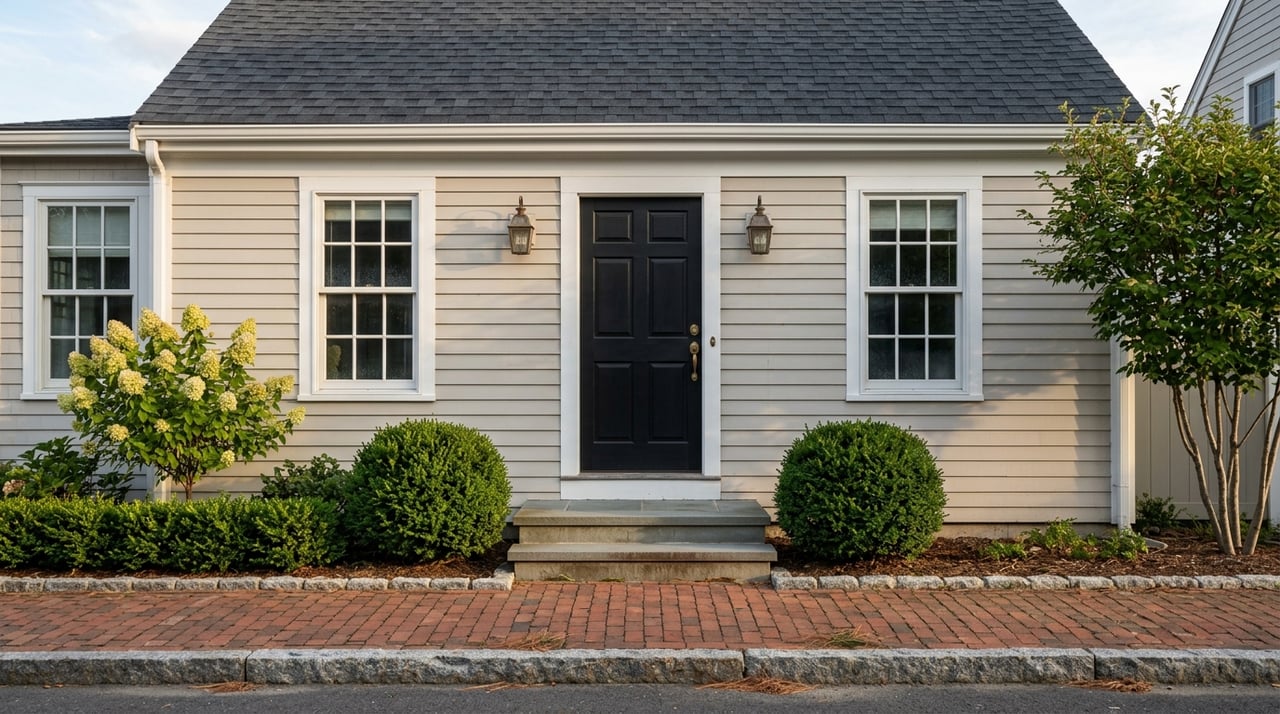
- A separate, secure entrance with clear wayfinding, path lighting, and landscaping that defines spaces.
- Sound control between units using insulation, resilient channels, or staggered framing in conversions.
- Private outdoor space like a small deck or patio to increase appeal.
- Separate HVAC controls and, if desired and permitted, separate utility meters for fair cost sharing.
- Clear agreements on shared areas such as driveways, storage, and yards to reduce confusion.
Parking is often a key constraint. Confirm off‑street requirements for an ADU and whether your site plan meets them. If space is tight, explore tandem parking if allowed or market the unit to a single occupant to reduce demand, as long as your lease and local rules align.
Compliance roadmap for North Hampton
Follow a step‑by‑step plan to keep your project moving and compliant.
Preliminary inquiry (0–2 weeks)
- Get the current zoning ordinance and any ADU or short‑term rental policies from the Town.
- Ask Planning or the Zoning Administrator to confirm allowed ADU types, size limits, and parking needs for your lot.
- Check with the Building Department on permits, inspections, and code requirements for your ADU type.
Technical assessment (2–6 weeks)
- Hire a local architect or contractor with New Hampshire ADU experience to test feasibility and provide a cost range.
- Have a septic designer or engineer evaluate wastewater capacity if you will add bedrooms or create a detached unit.
- If you are in a coastal or flood zone, review FEMA maps and ask about elevation or floodproofing needs.
- Talk with your insurance agent about policy changes and premium impacts for rentals or STRs.
Permitting and design (6–16 weeks)
- Prepare a site plan, building permit application, and a parking plan. Include stormwater and septic documents if required.
- Consider a pre‑application meeting with the Planning Board to clarify any special exception or variance items.
- Obtain required approvals before construction and schedule inspections at each stage.
Finance and operations (run in parallel)
- Notify your lender about the ADU plan and confirm any mortgage constraints or deed/HOA restrictions.
- Build your rent projection with local comps and a conservative vacancy rate.
- Choose long‑term, seasonal, or short‑term use and plan for any registrations, taxes, or inspections.
Post‑build and occupancy
- Obtain a Certificate of Occupancy from the Building Department.
- Notify the Town Assessor of the new unit or changes, since assessed value may adjust.
- If renting, use a lease that covers shared access, utilities, parking, noise, and occupancy rules.
Quick owner checklist
- Confirm zoning, size, and parking rules for your lot.
- Verify septic capacity with a licensed designer if adding bedrooms.
- If near the coast or wetlands, check flood and setback requirements early.
- Map your parking plan and site circulation.
- Define your rental strategy: long‑term, seasonal, or STR.
- Research comps in North Hampton and nearby towns and adjust for amenities.
- Run the rent model and include management, seasonal vacancy, and capital costs.
- Line up a local architect/contractor and schedule a pre‑application meeting.
When to choose detached vs internal
Detached ADUs can command premium rents thanks to privacy, but they often face stricter siting rules and higher costs, especially near the shoreline or in flood zones. You may also need septic upgrades if you add bedrooms. Internal or attached ADUs are usually more cost‑effective, can be easier to permit on smaller lots, and still perform well if they have a private entrance, good sound control, and dedicated parking. Weigh your budget, setbacks, and septic capacity before deciding.
Ready to explore your options?
An ADU can be a smart way to unlock value on the Seacoast when you plan for zoning, septic, privacy, and parking from the start. If you want local guidance on value impacts, rental demand, and how an ADU could support your broader home goals, reach out to SellingTheSeacoast. We can provide market context, connect you with experienced local pros, and help you decide the right path for your property.
FAQs
What is an ADU in North Hampton?
- An ADU is a smaller, independent residence on the same lot as a primary home. It can be internal, attached, detached, or above a garage, and it must meet zoning, septic, parking, and building‑code rules.
Can I build a detached ADU on my lot in North Hampton?
- It depends on your zoning district, setbacks, lot coverage, septic capacity, and any coastal or flood restrictions. Confirm details with the Town’s Planning Office.
Can I rent my ADU as a short‑term rental in North Hampton?
- Possibly, but short‑term rentals are often regulated separately. Verify North Hampton’s policy, any registration or inspection requirements, occupancy limits, and applicable taxes before you proceed.
Will an ADU require a septic upgrade in North Hampton?
- If your plan adds bedrooms or occupants, state and local wastewater rules may require evaluation and a possible upgrade. Consult a licensed septic designer and NHDES.
Do I need to live on site to rent an ADU in North Hampton?
- Owner‑occupancy requirements vary by jurisdiction. Ask the Town whether any such rule applies to your property or ADU type.
How do I estimate ADU rent on the NH Seacoast?
- Define your unit features, research comparable rentals in North Hampton and nearby towns, adjust for amenities like private entrances and parking, and use a conservative vacancy rate to model your return.