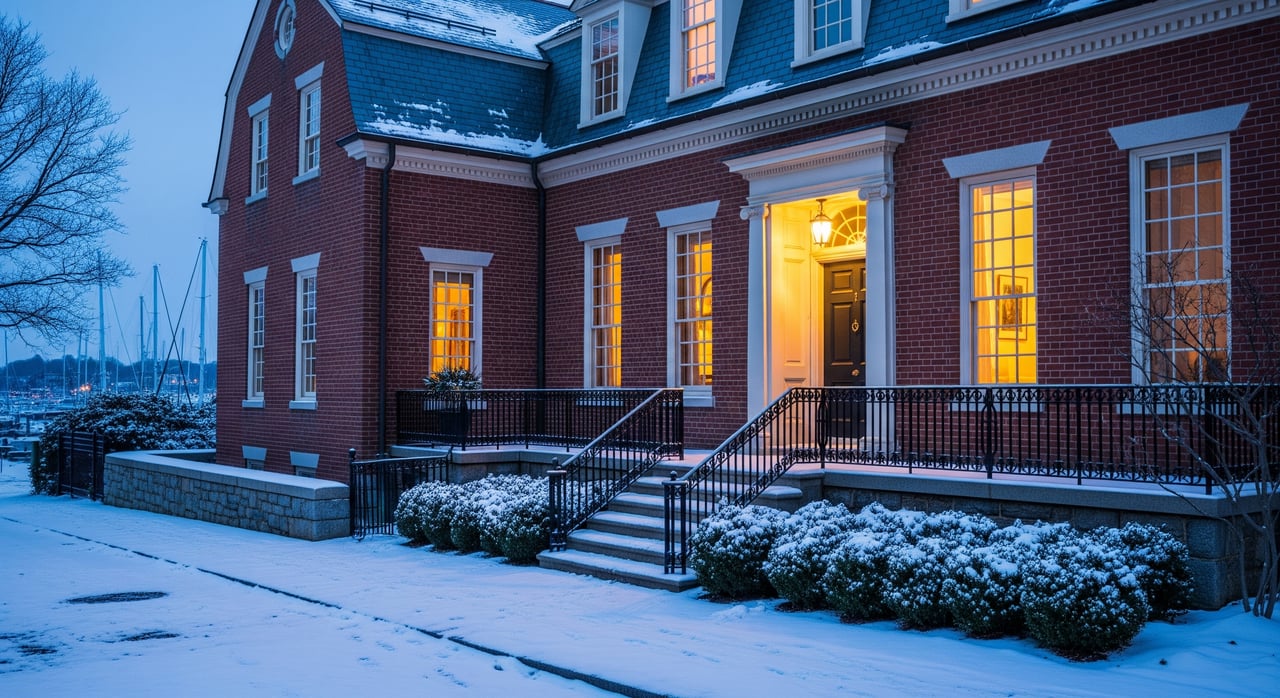
Portsmouth Winter Real Estate Trends for Buyers
November 21, 2025
November 21, 2025
Thinking about starting your Portsmouth home search in the cold months? You are not alone. Winter can be a smart time to buy if you know how the season shifts inventory, pricing, timing, and logistics across the Seacoast. In this guide, you will learn what changes in Portsmouth and Rockingham County, what to watch during showings and inspections, and how to plan your next steps with confidence. Let’s dive in.
Winter usually brings fewer new listings, since many sellers wait for spring. You may see more year‑round homeowner listings and fewer seasonal or second‑home options. Downtown condos often stay active due to walkability and lower maintenance. Suburban single‑family homes can show stronger seasonal slowdowns, so expect fewer choices in some neighborhoods.
With fewer active buyers, you often gain leverage on contingencies, timing, and seller credits. Some winter sellers are motivated by a relocation or life change, which can open the door to negotiation. Well‑priced downtown and historic homes near Market Square can still draw multiple offers. Be realistic on price while using inspection and closing terms to strengthen your position.
Average days on market often tick up in winter, though it varies by neighborhood and price tier. Holiday weeks and storm cycles can slow showings, inspections, and contractor scheduling. Plan for extra time when booking inspectors and vendors. Build a small buffer into your closing timeline to account for weather or staffing delays.
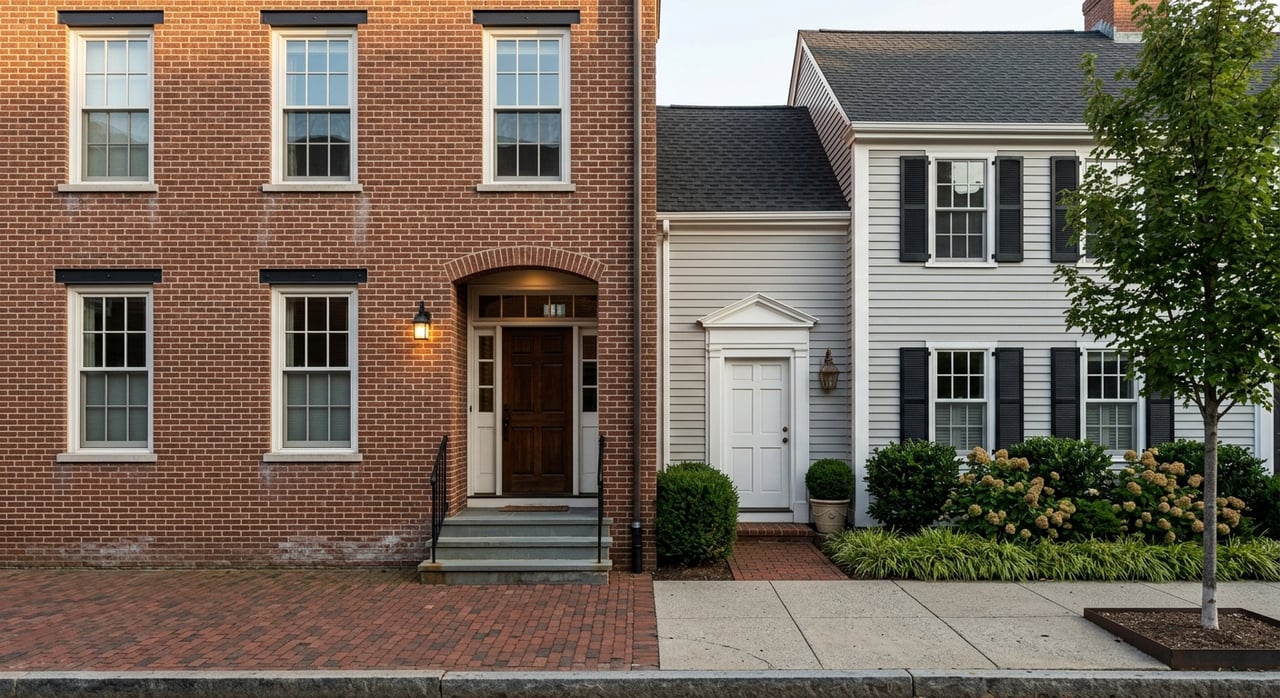
Expect smaller yards, older building stock, and limited parking. Winter showings highlight how street parking and snow removal affect daily life. Ask about snow‑shoveling responsibilities and any rules for overnight on‑street parking. For historic condos and townhomes, review heating system age and recent service records.
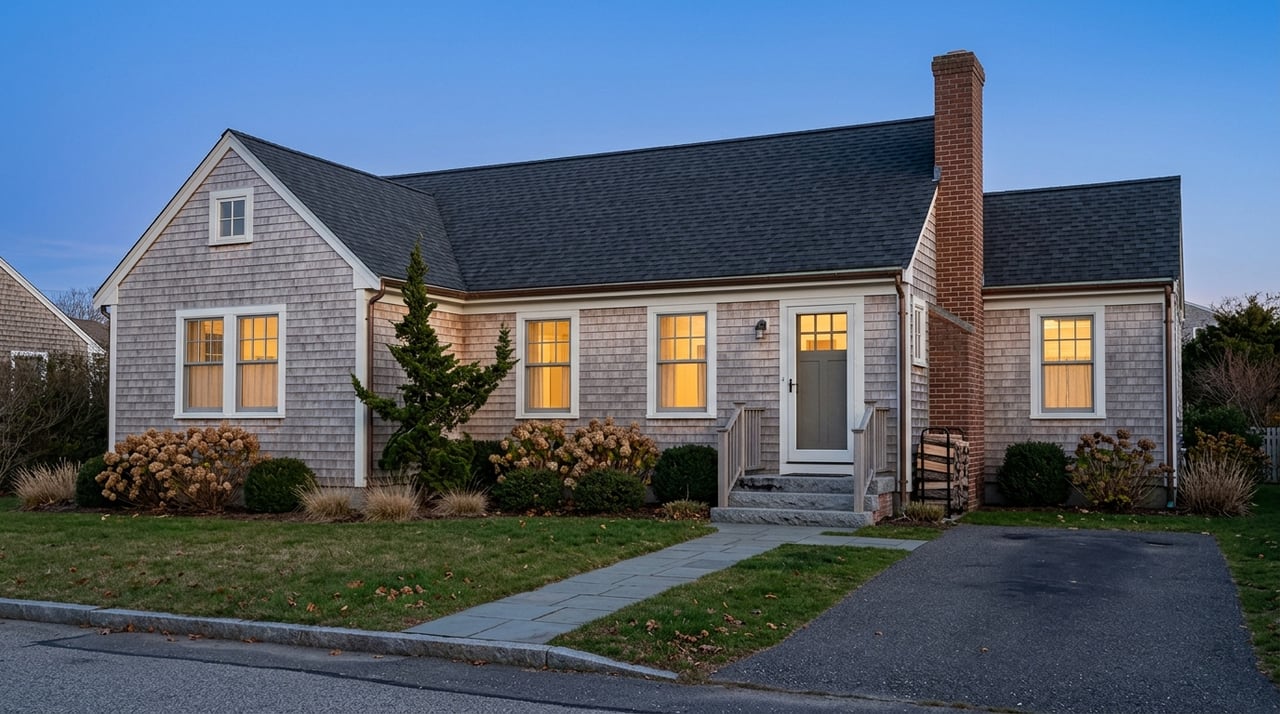
Older single‑family homes are common, which makes winter inspections especially useful. Focus on heating performance, insulation, roof condition, and ice‑dam prevention. Budget for potential efficiency upgrades if the home has older systems. A thorough winter inspection can reveal issues that are harder to spot in warmer months.
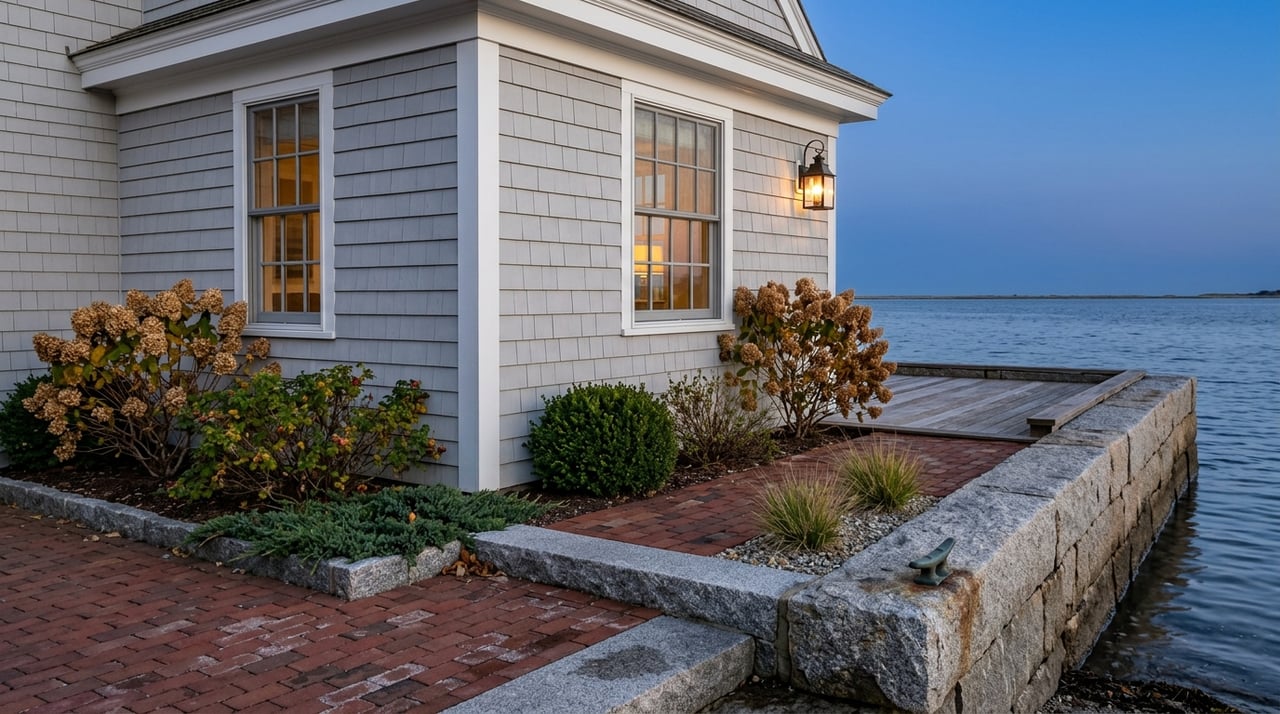
Low‑lying coastal and riverfront properties require early insurance review. Winter storms and tidal events can affect coverage options and costs. Ask for elevation certificates and review flood maps during your due diligence. Start the insurance conversation early so underwriting timelines do not delay closing.
Shorter daylight means earlier showings are best for seeing exteriors. Snow and ice can hide rooflines, grading, and foundation edges, so request clear visuals when possible. If snow limits access, plan a follow‑up exterior look when conditions improve. Virtual tours are useful for shortlisting before you head out in person.
A winter inspection can be revealing. Ask your inspector to emphasize:
Roofers, HVAC techs, and chimney specialists can book out in cold months. If you negotiate repairs, build realistic timelines into your purchase and sale agreement. Consider escrow holds for agreed work that must wait for better weather. Clear expectations help keep the closing on track.
Pre‑approval is just as important in winter as spring. Appraisers may have fewer fresh winter comps, so valuations can lean on fall or summer sales. Work with local lenders and appraisers who understand Portsmouth seasonality. If you pursue a lower price in negotiation, prepare for appraisal conversations and plan your strategy with your agent.
For the most current numbers on inventory, median price, and days on market, look to local MLS reports and New Hampshire Association of REALTORS releases. National Association of REALTORS, Redfin, and Zillow provide useful seasonal context alongside city‑level views. The City of Portsmouth site is helpful for snow removal policies, parking ordinances, and coastal planning resources. For flood information and elevation details, consult FEMA resources and the New Hampshire Department of Environmental Services, and verify recent sale data through Rockingham County property records.
Ready to explore Portsmouth this winter with a plan that fits your timeline and budget? Our team combines local insight with a hands‑on process that removes friction, from short‑notice showings to winter‑smart inspections and negotiation. If you want early alerts, curated options, and step‑by‑step guidance, connect with Emil Uliano to get started.
Stay up to date on the latest real estate trends.
We are committed to guiding you every step of the way—whether you're buying a home, selling a property, or securing a mortgage. Whatever your needs, we've got you covered.

40 Pleasant St Portsmouth NH 03801