Thinking about buying in Rye, NH, but not sure where to start? You are not alone. Rye’s coastal lifestyle draws year‑round residents, commuters, retirees, and second‑home buyers, which creates strong demand and limited supply. In this guide, you’ll learn how the local market works, what drives pricing, the differences between ocean‑adjacent and inland homes, and the due diligence steps that protect you. Let’s dive in.
Rye market at a glance
Rye is a small, desirable coastal town where inventory tends to be tight. Limited developable land, long-time ownership, and zoning that restricts density all keep supply constrained. That is part of the appeal and part of the challenge when you are buying.
Seasonality plays a role. Spring and summer are the busiest listing and showing months, which means more options but also more competition. Late fall and winter often bring fewer listings and more negotiating room for well‑qualified buyers who are ready to move quickly.
Demand comes from several buyer groups. You will see locals, commuters to Portsmouth or Boston, remote workers seeking a coastal lifestyle, and seasonal or second‑home buyers. Vacation rental potential and beach access can influence what sells and at what price.
Inventory: where to look
Rye offers several property categories. Understanding how they differ will help you narrow your search and budget.
Oceanfront homes
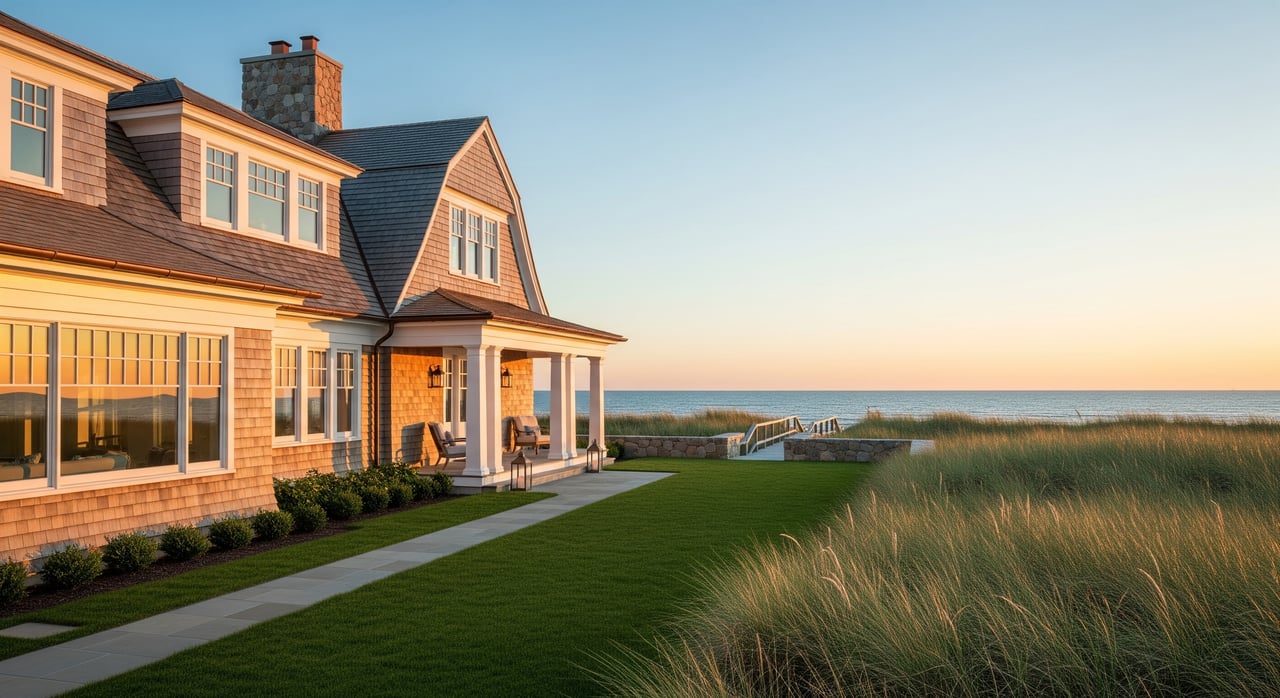
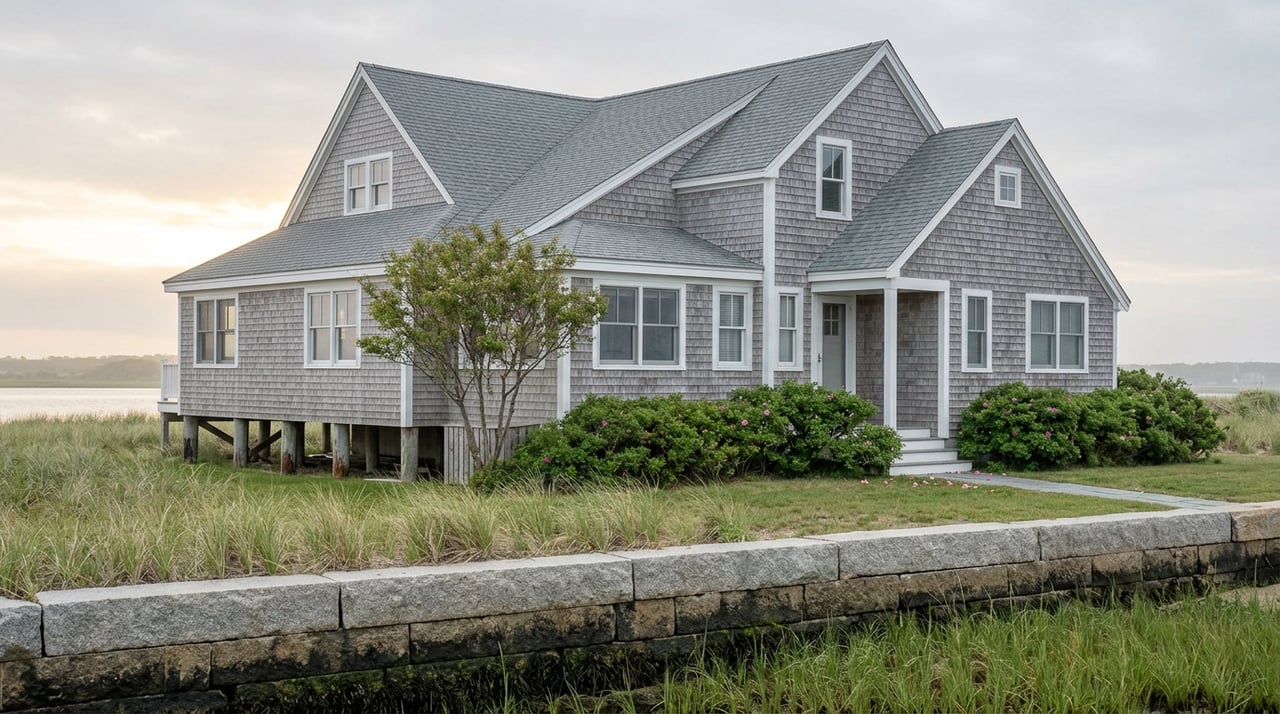
These sit directly on the ocean with private frontage or immediate beach access. They are the highest price band and face strong competition. If you pursue oceanfront, plan for flood insurance considerations, foundation elevation checks, ongoing exterior maintenance, and higher exposure to storm conditions.
Ocean‑adjacent or short‑walk homes
These are within walking distance of beaches or have deeded access. They command a premium over inland properties but usually less than true oceanfront. Verify any beach association rules, clarify parking arrangements during summer, and confirm whether access roads are maintained in winter.
Harbor or riverfront properties
Homes with harbor or river frontage, or protected water views, can fetch premium pricing. Buyers often value docking or mooring potential. Budget for marine-related inspections if docks or waterfront structures are included.
Coastal neighborhoods and inland single‑family
These homes vary widely by lot size, age, and proximity to amenities. Many buyers find better value and lower insurance and maintenance costs compared with ocean‑adjacent options. Focus early on septic system condition, well testing if applicable, and any potential future development nearby that could affect views.
Condominiums and multifamily
Condos and small multifamily properties can be an entry point for buyers or investors. Review association bylaws closely, including rental policies and any summer occupancy rules.
Ocean vs. inland tradeoffs
Buying near the ocean comes with lifestyle benefits and practical tradeoffs. Knowing both sides helps you choose with confidence.
- Flood and storm risk: Ocean‑adjacent properties are more likely to fall within FEMA flood zones. Inland homes can still see storm surge impacts along tidal rivers. Always verify flood zone status and base flood elevation, and ask for an elevation certificate if available.
- Insurance and maintenance: Lenders may require flood insurance in mapped zones. Salt air can accelerate corrosion on mechanical systems and exterior finishes. Inland homes generally have lower insurance and maintenance exposure.
- Utilities and wastewater: Many homes use septic systems, both coastal and inland. Confirm system age, recent inspections, and available lot area for any future replacement. If the property has a private well, test for water quality.
- Lifestyle and access: Ocean‑adjacent living offers views and quick beach access, with seasonal traffic and parking limits. Inland neighborhoods often deliver more privacy, larger lots, and lower ongoing costs.
- Permitting and renovations: Coastal properties can face additional state and local rules for setbacks, wetlands, and shoreland protection. Inland homes may have fewer coastal constraints but must still meet town zoning and septic setbacks.
What drives value in Rye
Rye pricing is shaped by a handful of clear factors. Use these when evaluating a listing or prepping your offer.
- Location to water: Oceanfront sits at the top of the market, followed by deeded beach access, walking distance, then inland.
- Elevation and flood status: Higher elevation and demonstrated storm resilience can command a premium.
- Lot and setting: Larger lots, privacy, mature landscaping, and favorable topography can lift value.
- Structure and condition: Modern, weather‑resistant construction and recent systems upgrades reduce future costs. Classic cottages may need more extensive rehab.
- Amenities: Deeded beach rights, docks or moorings, ample off‑street parking, and proximity to town services add appeal.
- Town services and schools: Municipal services and school district reputation contribute to overall demand. Use neutral, factual comparisons when evaluating.
- Wider market forces: Mortgage rates, insurance availability and costs, and local property tax levels all influence affordability and buyer appetite.
Watch for flags that can reduce value or require a price adjustment:
- Recurrent flood history or known erosion issues.
- Properties in high‑risk FEMA zones without mitigation or adequate elevation.
- Private roads without clear maintenance agreements.
- Unpermitted work, septic violations, or conservation easements that limit use.
Timing your search
- Spring and summer: You will see the most new listings, faster pace, and more competition. Be ready to move quickly.
- Fall and winter: Fewer options, but you may have more negotiating room. Well‑qualified buyers who can be flexible on closing often succeed in this window.
Regardless of season, monitor for off‑market opportunities. In tight coastal markets, word‑of‑mouth transactions and pre‑market listings do happen. A connected local team can help you hear about them sooner.
Craft a winning offer
Preparation matters as much as price in Rye. Focus on these steps before you write.
- Get fully pre‑approved: Go beyond pre‑qualification. Have a clear letter and proof of funds for your down payment and closing costs.
- Set smart contingencies: Inspection is essential. Include septic evaluation, well testing if needed, and survey or elevation review for coastal properties. In competitive scenarios, consider shorter inspection windows, not skipped inspections.
- Plan for appraisal gaps: Waterfront and low‑inventory segments can produce appraisal shortfalls. Decide in advance whether you can bring extra cash or if you need price or financing contingencies.
- Use escalation carefully: Escalation clauses can help in multiple‑offer situations, but they require careful drafting and local guidance.
- Offer non‑price value: Flexible closing dates, assuming select service contracts, or agreeing to minor repairs can help bridge small price gaps.
Due diligence checklist
Protect yourself by verifying the items that matter most before you commit.
- Title and deeds
- Confirm ownership, recorded easements, deeded beach or association rights, and any covenants.
- Zoning and permitting
- Review town zoning, setbacks, nonconforming use status, and the feasibility of expansions or accessory units.
- Flood and coastal exposure
- Check FEMA flood maps, base flood elevation, and request an elevation certificate if available. Ask about prior flood or insurance claims and any mitigation completed.
- Septic and water
- Obtain a septic inspection and review soil or perc test data if applicable. Test private wells for potability and known contaminants.
- Structural and mechanical
- Order a thorough inspection focused on rot, roof condition, and corrosion from salt air. Consider an inspector experienced with coastal homes.
- Environmental and conservation
- Review local conservation records for wetlands, conservation easements, or encumbrances. Check any state coastal permit history for prior work.
- Insurance and carrying costs
- Get flood and homeowner insurance quotes early. Review recent property tax bills and ask about any special assessments.
- Utilities and services
- Confirm if the road is public or private and how maintenance is handled. Verify trash, snow removal, and internet or utility providers.
- Community and lifestyle
- Clarify beach access rules, seasonal parking regulations, and association rights. Map commute options and nearby amenities.
Inspections and specialists
Coastal property adds a few extra specialists to your team. Plan your schedule so you can move quickly while keeping protections in place.
- Structural inspection with focus on moisture, rot, and fastening systems.
- Septic evaluation and, if needed, perc testing for replacements.
- Elevation certificate and floodplain professional review for properties near mapped zones.
- Marine review for docks, moorings, or bulkheads.
- Roof and exterior assessment for salt‑air corrosion and weathering.
Financing and insurance realities
Coastal homes can face tighter lender and insurer requirements. Be proactive so you can close on time.
- Lender expectations: Some properties may require higher down payments or specific loan products, especially if there is water damage history or nonstandard construction.
- Flood coverage: If the home sits in a mapped flood zone, lenders generally require flood insurance. Obtain quotes early so you understand your total monthly costs.
- Documentation: Ask your lender if an elevation certificate or engineering report is needed. Lining this up early can prevent delays.
Working with local experts
Rye’s micro‑markets, from oceanfront strips to inland neighborhoods, reward local knowledge. A connected team can help you spot value drivers, confirm permitting paths, and avoid pitfalls like unclear private road agreements or unpermitted additions. In a tight market, local networks can surface pre‑market and off‑market options, especially among long‑time owners.
You will benefit from a local inspector who understands coastal materials and failure points, a septic specialist who can evaluate replacement feasibility, and an insurance agent familiar with coastal policies. These pros help you price risk accurately and keep surprises to a minimum.
Ready to explore Rye?
If the coastal lifestyle is calling, plan your search, line up your financing, and verify the details that matter. With clear priorities and local guidance, you can compete with confidence and secure the home that fits your life and budget. When you are ready to take the next step, connect with Emil Uliano to get a local game plan, on‑the‑ground insights, and access to pre‑market opportunities.
FAQs
Is flood insurance required in Rye?
- Lenders typically require flood insurance if a property is in a mapped FEMA flood zone, so you should verify the zone and obtain quotes early in your process.
How much more do oceanfront homes cost?
- Oceanfront commands a significant premium over inland, but exact differences vary by property and market conditions; review current MLS comparables with your agent.
Are there many new construction options?
- New construction is limited due to zoning, topography, and coastal setbacks; most changes in supply come from renovations and infill rather than large subdivisions.
What extra maintenance do coastal homes need?
- Expect more frequent exterior upkeep due to salt‑air corrosion, plus careful attention to roofs, siding, and mechanical systems exposed to marine conditions.
Can I finance a cottage that needs work?
- Yes, but lenders may require specific loan products or higher down payments when condition issues or coastal exposures increase risk; renovation loans can be an option.
When is the best time to buy in Rye?
- Spring and summer bring more choices and more competition, while fall and winter can offer fewer listings but better negotiating leverage for prepared buyers.