Portsmouth vs North Hampton: Which Seacoast Move Fits?
May 7, 2026
May 7, 2026
Trying to choose between Portsmouth and North Hampton? If you are torn between downtown energy and a quieter coastal setting, you are not alone. Many Seacoast buyers find that these two towns can both work on paper, but feel very different in daily life. This guide will help you compare price, pace, housing, taxes, commute, and lifestyle so you can decide which move fits you best. Let’s dive in.
Portsmouth and North Hampton are close geographically, but they offer two distinct living experiences. Portsmouth is the larger and denser market, with 22,545 residents and about 1,439.6 people per square mile. North Hampton is much smaller, with 4,543 residents and about 327.1 people per square mile.
That difference shapes how each town feels. Portsmouth leans more urban, active, and convenience-driven. North Hampton feels quieter, more residential, and more spread out.
The age profile also tells part of the story. Portsmouth has a median age of 42.9, while North Hampton’s median age is 50.5. For buyers, that can point to different rhythms of life, from busier in-town living to a more relaxed coastal pace.
If you assume North Hampton is far less expensive than Portsmouth, the numbers may surprise you. The median owner-occupied home value is $688,500 in Portsmouth and $670,400 in North Hampton. That is a relatively small gap.
In other words, this decision is often less about headline price and more about what you get for that price. Your choice may come down to housing style, lot size, convenience, and monthly carrying costs more than a dramatic purchase-price difference.
North Hampton’s housing planning documents also note strong Seacoast demand and limited supply. The town cites a 42% increase in the Rockingham Planning Commission region’s median home sale price from 2019 to 2022, rising from $370,000 to $527,000. That is useful context if you are hoping for a bargain just by moving a few towns away.
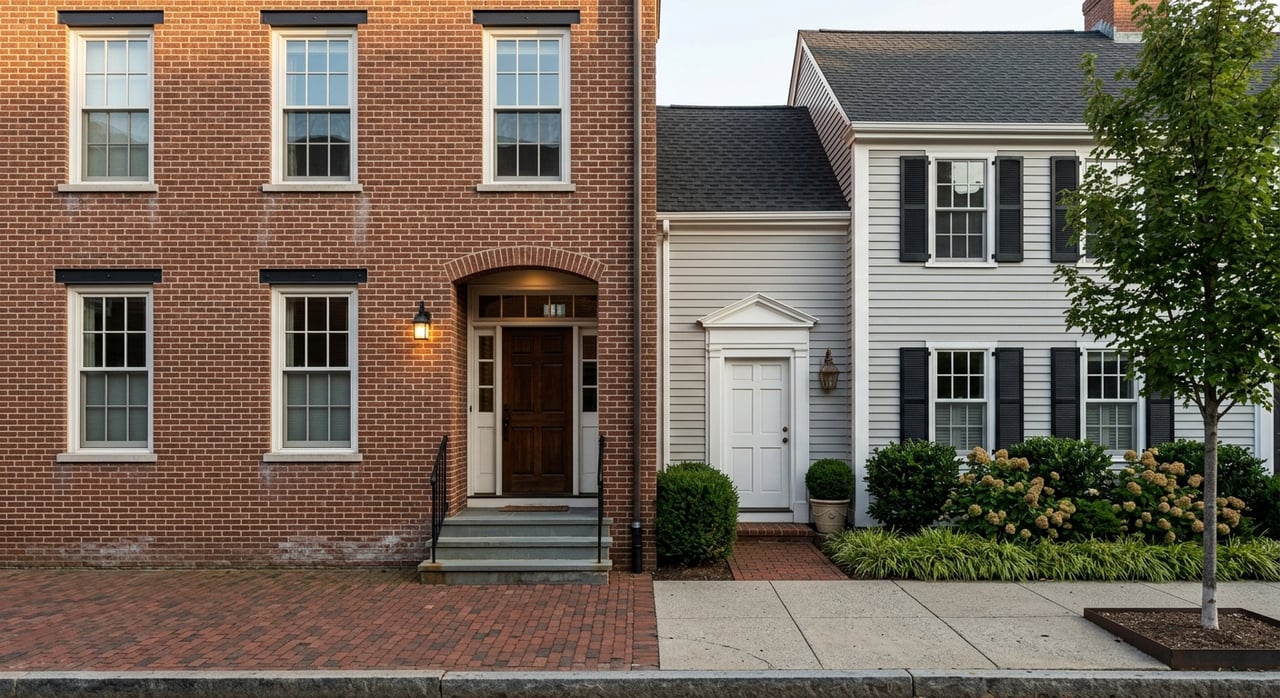
Portsmouth has 11,370 housing units and a 51.9% owner-occupied rate. That points to a housing mix with more condos, rentals, and smaller in-town options than you would usually find in a lower-density town. If you want flexibility, walkability, or lower-maintenance living, Portsmouth may give you more choices.
This is often where buyers find downtown condos, compact single-family homes, and properties close to everyday amenities. For some people, that means less yard work and more convenience. For others, it can mean trading private space for location.
North Hampton’s housing planning documents emphasize preserving rural New England character, open space, and historic properties while also creating opportunities for affordable, workforce, and age-restricted housing. While that is not a parcel-by-parcel inventory, it does suggest a market that is more detached-home and larger-lot oriented than Portsmouth.
If your priority is having more breathing room, a quieter setting, or a home that feels tucked into a residential environment, North Hampton may line up more closely with your goals. The trade-off is that you may have fewer in-town housing formats to choose from.
When buyers compare towns, purchase price is only part of the equation. Property taxes can make a meaningful difference in your monthly budget.
Portsmouth’s published 2025 property tax rate is $11.51 per $1,000 of valuation. North Hampton’s 2025 total tax rate is $13.45 per $1,000. Using each town’s published rate against its ACS median owner-occupied home value gives an illustrative annual property tax of about $7,925 in Portsmouth and about $9,017 in North Hampton.
That comparison is only an estimate. Actual bills depend on the property’s assessed value, possible exemptions, and local revaluation. Still, it is a helpful reminder that a similar purchase price does not always mean a similar monthly cost.
If you are commuting around the Seacoast, either town may be workable. Portsmouth shows a mean commute time of 22.2 minutes, while North Hampton comes in at 24.6 minutes. That is a modest difference.
For many buyers, this means commute alone may not decide the move. Instead, the bigger factor is what you want your time at home to feel like once the workday ends.
For buyers comparing long-term fit, school structure is one of the clearest distinctions between these two communities. Portsmouth has a full in-town public school pipeline through Portsmouth School Department, including Dondero, Little Harbour, New Franklin, Portsmouth Middle School, Portsmouth High School, and Robert J. Lister Academy.
North Hampton School serves preschool through 8th grade. For high school, North Hampton students attend Winnacunnet High School in Hampton through SAU 21. That structure will matter to some buyers simply because it shapes daily routines, planning, and how your household experiences the town over time.
Portsmouth is centered around a downtown core with managed parking, garages, meter rules, and a designated downtown business area. The city also maintains major public spaces and waterfront amenities, including Prescott Park, along with an urban forest of more than 15,000 trees.
For buyers who want a more walkable, amenity-rich lifestyle, Portsmouth stands out. You may find it easier to build your week around downtown errands, dining, parks, and waterfront time. The trade-off is a busier environment and more parking management.
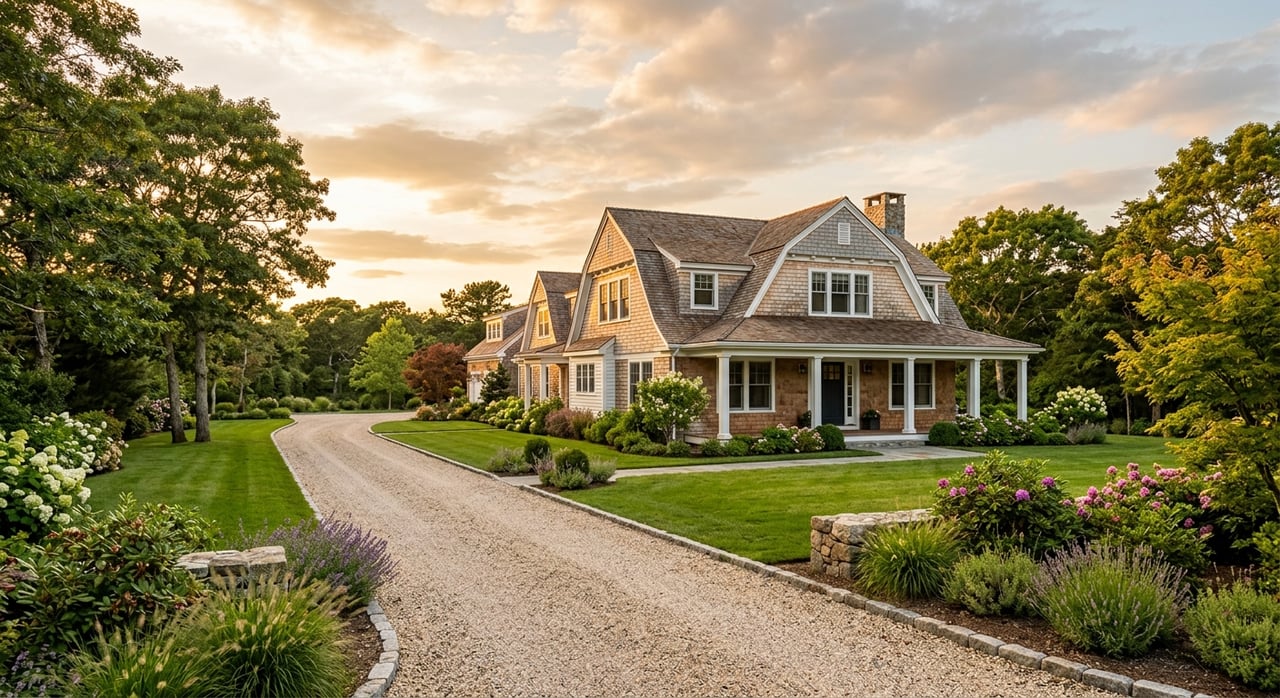
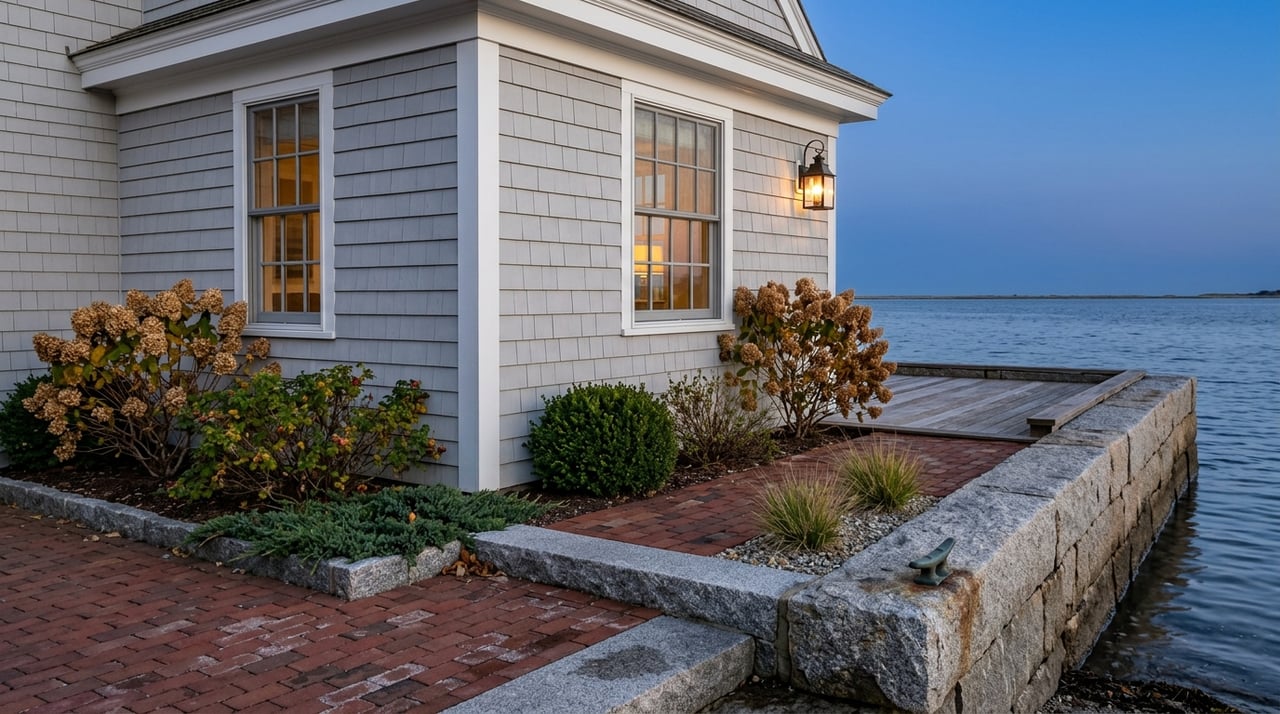
North Hampton describes itself as a seaside town and one of the few towns that borders New Hampshire’s limited coastline. The town’s planning goals also emphasize open space, historic houses and barns, and preserving its rural character.
North Hampton State Beach adds another practical lifestyle point. The beach operates seasonally from early May through the end of September and includes 109 metered parking spaces, with 20 leased to the town for resident beach access. If being near the coast matters to you, North Hampton offers that benefit in a setting that feels less urban than Portsmouth.
If you are still deciding, here is a simple way to think about it.
On paper, Portsmouth and North Hampton can look surprisingly close in value. In real life, they serve different priorities. Portsmouth usually makes more sense if you want walkability, downtown convenience, and an urban-style Seacoast lifestyle. North Hampton usually makes more sense if you want more space, a quieter pace, and coastal access without the same downtown intensity.
That is where local guidance becomes valuable. The right choice is not just the town with the lower number or the larger lot. It is the place that supports how you actually want to live.
If you are comparing Portsmouth and North Hampton and want help narrowing the options, Emil Uliano can help you evaluate homes, neighborhoods, and lifestyle fit across the Seacoast with local insight and a high-touch approach.
Stay up to date on the latest real estate trends.


We are committed to guiding you every step of the way—whether you're buying a home, selling a property, or securing a mortgage. Whatever your needs, we've got you covered.

40 Pleasant St Portsmouth NH 03801