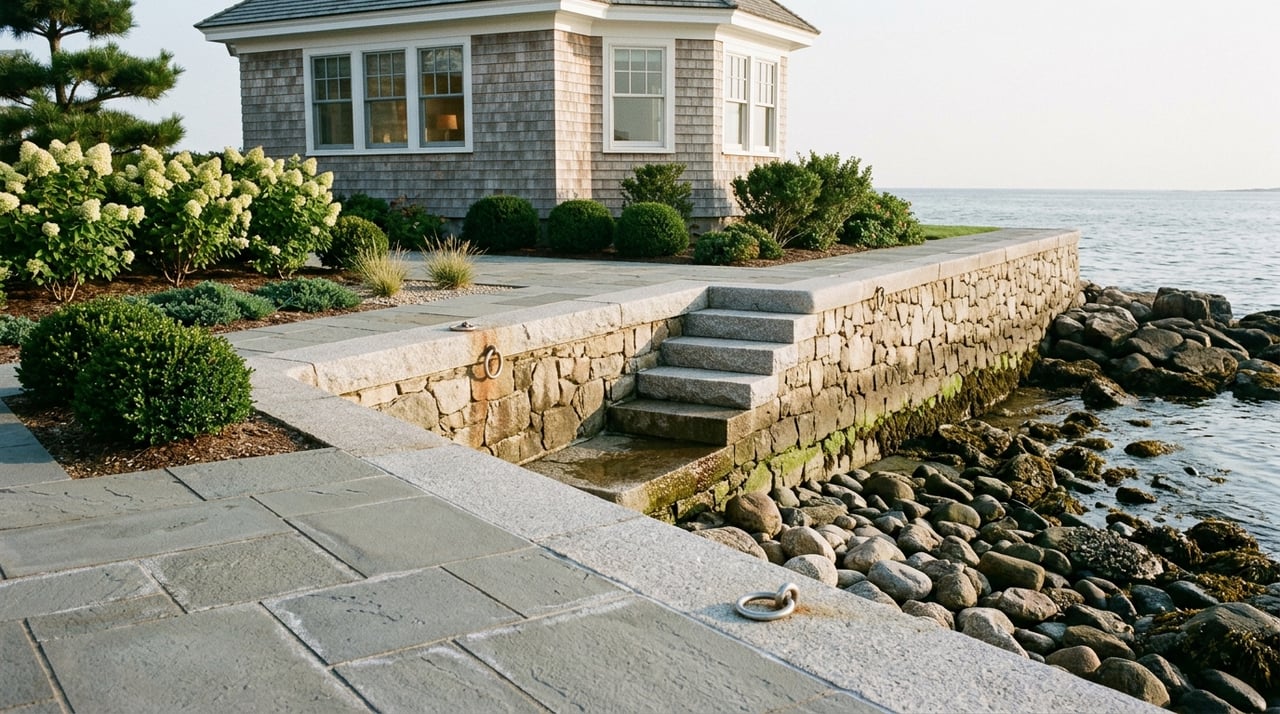
Waterfront Living In New Castle: Key Buyer Essentials
May 28, 2026
May 28, 2026
If you are dreaming about waterfront living in New Castle, the view is only part of the story. In this small island town, what you can legally do with a waterfront property often matters just as much as what you can see from it. This guide will help you understand the flood rules, shoreland limits, dock questions, and renovation issues that can shape your purchase so you can move forward with more confidence. Let’s dive in.
New Castle is uniquely constrained, even by Seacoast standards. According to the town, it is the only New Hampshire town made up entirely of islands and covers about 500 acres.
That small footprint matters for buyers. Many waterfront parcels are affected by overlapping rules tied to floodplains, shoreland and wetlands protections, and in some areas, historic district review. When you buy here, you are not just buying frontage. You are buying into a regulatory setting that can affect future changes to the property.
A beautiful waterfront lot may still come with real limits. In New Castle, buyers should look beyond listing language and ask whether the property can realistically support the features that matter most to them.
That may include things like:
Two homes can offer similar views but very different future flexibility. In practice, that can affect how easy the property is to enjoy, maintain, and improve over time.
New Castle’s floodplain ordinance uses FEMA flood study and map panels dated January 29, 2021. The ordinance requires a permit for proposed development in special flood hazard areas.
That means flood review is not a side issue for waterfront buyers. It should be part of your early due diligence, especially if you are considering future renovations or substantial improvements.
For residential new construction and substantial improvements in AE and VE zones, the town requires the lowest floor, including basement, to be at or above the base flood elevation. FEMA defines the base flood as the 1% annual-chance flood.
For you as a buyer, this can affect renovation scope, rebuilding cost, and design options. It can also influence how a lender and insurer evaluate the property.
Flood insurance is separate from standard homeowners insurance. FEMA states that homes in high-risk flood areas with mortgages from government-backed lenders are generally required to carry flood insurance.
Because of that, buyers should verify the current flood zone, applicable FIRM panel, base flood elevation, and any existing elevation documentation before assuming a property will finance on ordinary terms. On a New Castle waterfront purchase, this is core due diligence.
New Hampshire’s shoreland protection framework extends 250 feet landward from the reference line and includes tidal waters. In New Castle, local zoning adds more specific buffer rules on top of that.
The town includes a 100-foot tidal-lands buffer and a 150-foot natural woodland buffer. That woodland buffer is divided into a 50-foot waterfront buffer zone and a 50- to 150-foot woodland buffer zone.
These rules can affect where you place improvements and how you manage vegetation. They may also influence whether additions, site work, or shoreline-related structures are practical on a given lot.
If you are comparing two homes, one parcel may simply offer a cleaner path for future work than the other. That difference is easy to miss if you focus only on the house itself.
Many buyers assume they can open up a better water view after closing. In New Castle, view improvement is possible in some cases, but it is not unlimited.
The ordinance allows branches to be trimmed, pruned, and thinned for views. However, limbing for views is limited to the bottom half of trees and saplings, and stumps and root systems must remain intact within 150 feet of the reference line.
That means a lot with an existing view corridor may have more practical value than a lot where the view is mostly blocked by vegetation. You should not assume you can significantly widen a view later.
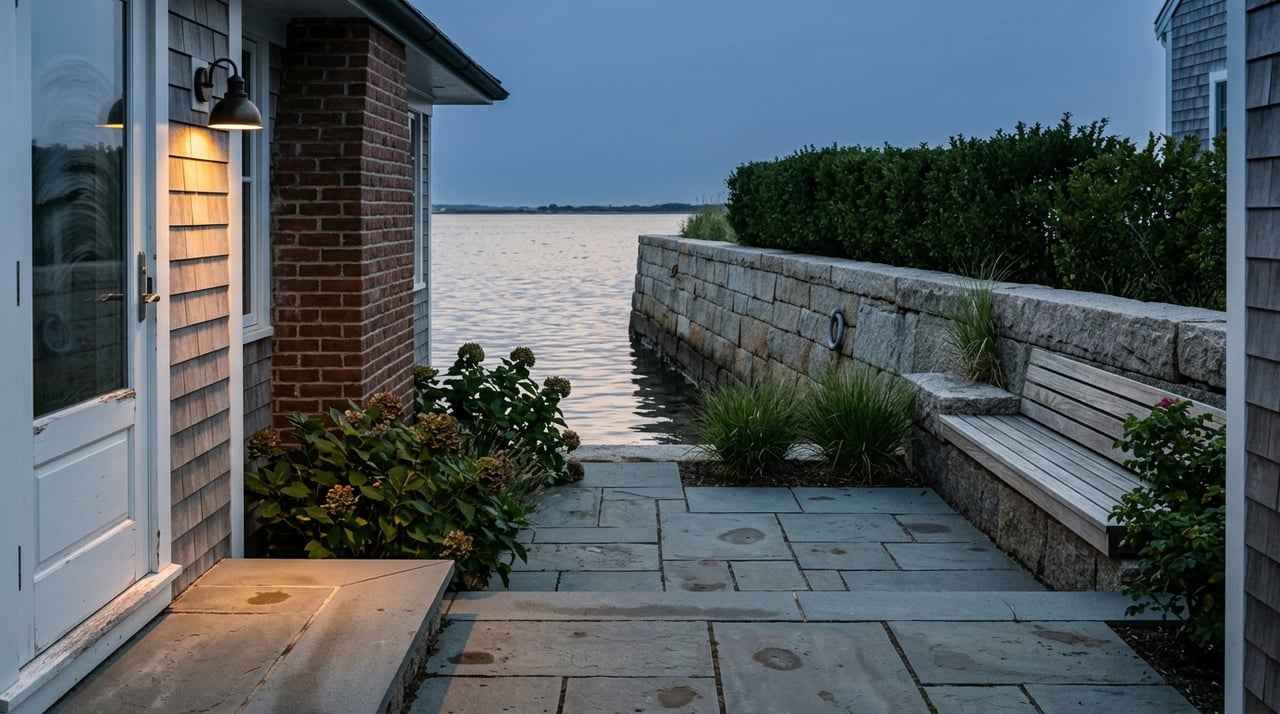
In New Castle, a dock is not just a lifestyle feature. It is a permitting question shaped by state and local review.
NHDES rules require docks to be at least 20 feet from the abutting property line. Tidal-dock guidance also says residential tidal docks must be designed to work with tides, wave energy, and winter ice flow.
The ramp and float portions of residential tidal docks are seasonal and removed during the non-boating season. NHDES also notes that docks may not provide access during the full tidal cycle.
So if boating access is a must-have, you will want to confirm more than whether a dock exists or seems possible. You should understand frontage, setbacks, tidal conditions, and whether the design can meet current rules.
Dock projects can also trigger review related to wetlands and habitat impacts. NHDES guidance says tidal docks should be designed to avoid impacts to eelgrass, nesting habitat, and essential fish habitat where possible.
That does not mean a dock project is impossible. It does mean buyers should treat dock potential as a technical and legal question, not a casual assumption.
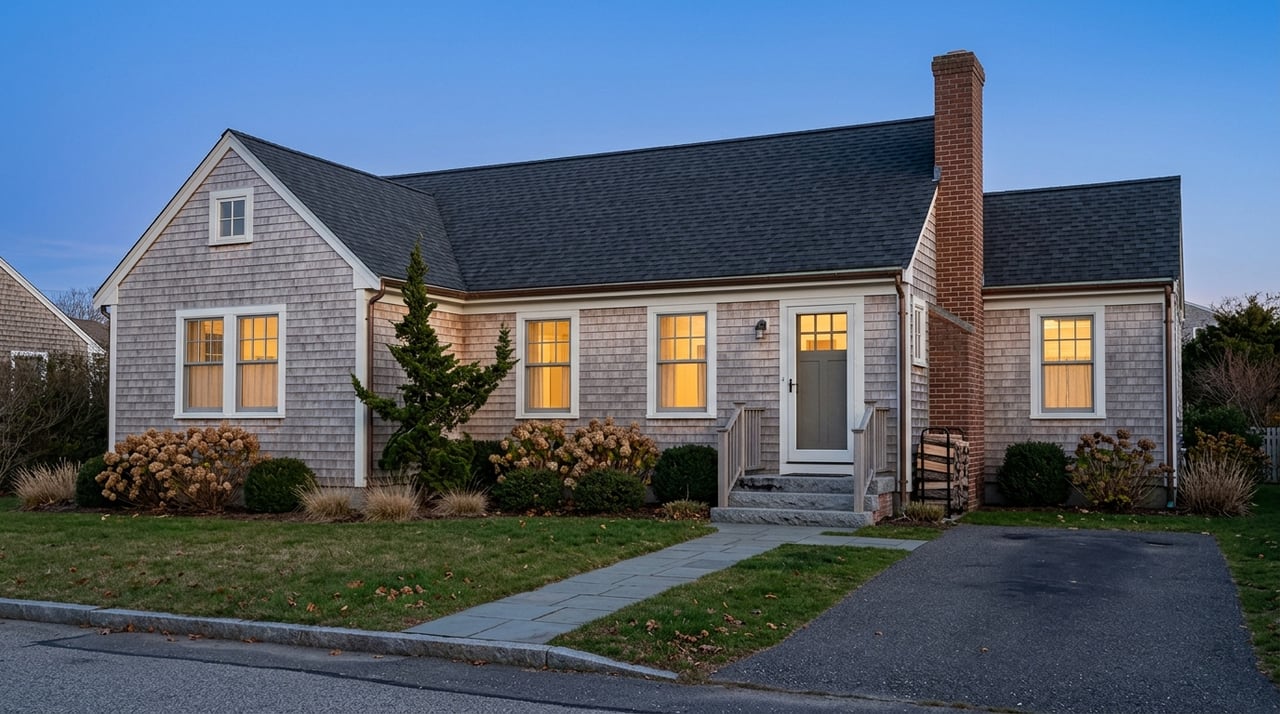
Some New Castle waterfront homes are also affected by historic district rules. If a property is within the historic district, exterior construction, alteration, moving, or demolition that is visible from any street requires a Certificate of Approval from the Historic District Commission.
Routine maintenance, repair, and painting are exempt. But if you are planning visible exterior work, you should expect review before a building permit can be issued.
For buyers drawn to period homes or architecturally significant properties, this is an important part of the ownership picture. Historic character can add appeal, but it can also shape timelines and approvals.
Septic and utility planning are especially important on waterfront parcels. In New Castle, no subsurface wastewater disposal system may be constructed within 75 feet of wetlands or tidal water lands, and soil conditions can increase that setback to 100 or 125 feet.
If you are buying with plans to expand the home, add living space, or replace an aging system later, this matters. A lot can feel large enough on paper but still have limited usable area once setbacks are applied.
The town also says construction, forestry, and agriculture activity within 100 feet of wetlands should be done with special care to avoid erosion and siltation. The Planning Board may require an erosion-control plan for projects that disturb soil in that area.
That is another reason buyers should evaluate long-term functionality before closing. Septic replacement potential is one of the most important questions to answer on an older waterfront property.
If a project requires a state shoreland permit under RSA 483-B or a DES wetlands permit under RSA 482-A, New Castle also requires a local Shoreland/Wetlands Permit through the Building Inspector’s office. The town’s application is intended to confirm compliance with state shoreland rules after state approval and the final plan.
In simple terms, one approval may not be enough. On some properties, changes near the water can involve both state and local review.
For buyers, this is a reminder that future projects should be vetted early. Even relatively straightforward work can become more involved on a constrained coastal lot.
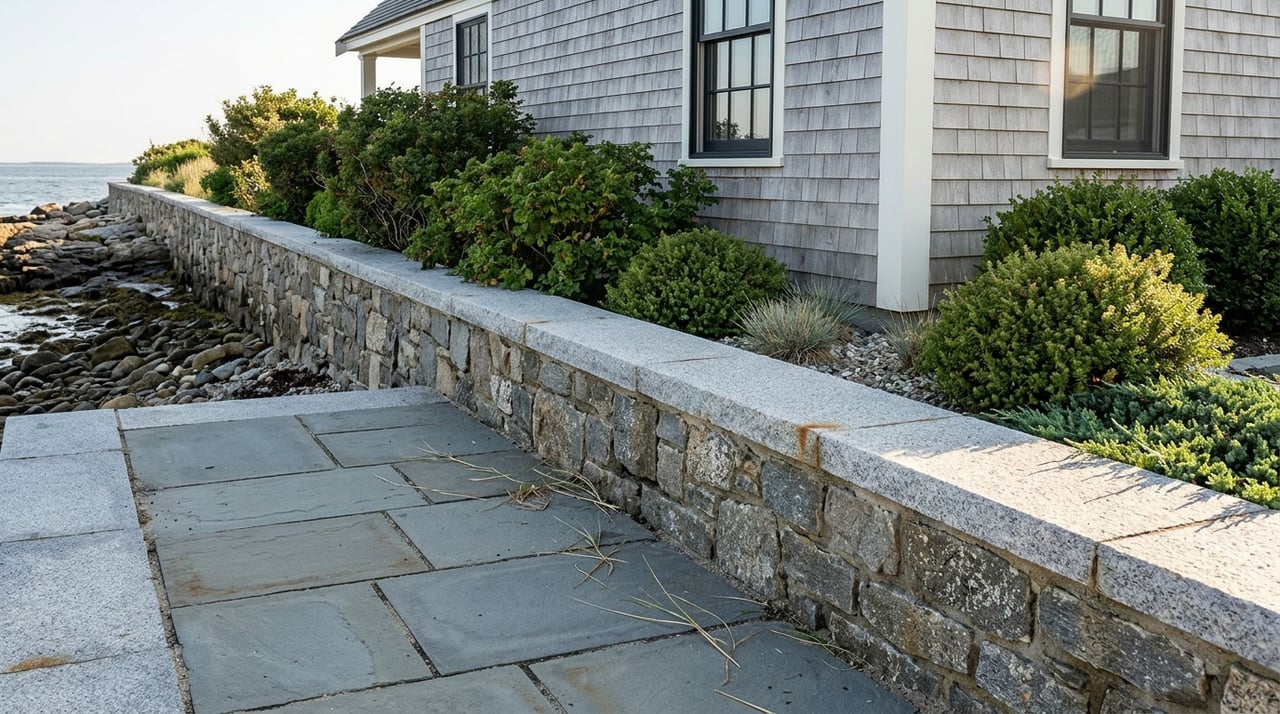
A seawall or similar shoreline feature can look like a major asset, but it should not be treated as permanent and maintenance-free. New Hampshire DES notes that coastal shoreline erosion is shaped by geologic and hydrodynamic conditions and can be worsened by storms and sea-level rise.
DES also notes that traditional armored structures can fail during major storms if they are poorly built or not maintained. For you, that means shoreline improvements should be reviewed as part of the property’s long-term ownership cost and risk.
Before you move forward on a waterfront purchase in New Castle, try to confirm:
A waterfront purchase in New Castle can be incredibly rewarding, but the strongest decisions usually come from careful property-specific review. The goal is not just to fall in love with the setting. It is to understand how the property will function for you over time.
When you are evaluating a New Castle waterfront home, local knowledge matters. The details behind flood zones, buffers, dock access, and renovation potential can shape both your experience and your investment. If you want guidance grounded in Seacoast market knowledge and a high-touch process, connect with Emil Uliano for help navigating your next move.
Stay up to date on the latest real estate trends.




We are committed to guiding you every step of the way—whether you're buying a home, selling a property, or securing a mortgage. Whatever your needs, we've got you covered.

40 Pleasant St Portsmouth NH 03801