What Portsmouth South End Living Feels Like Daily
June 11, 2026
June 11, 2026
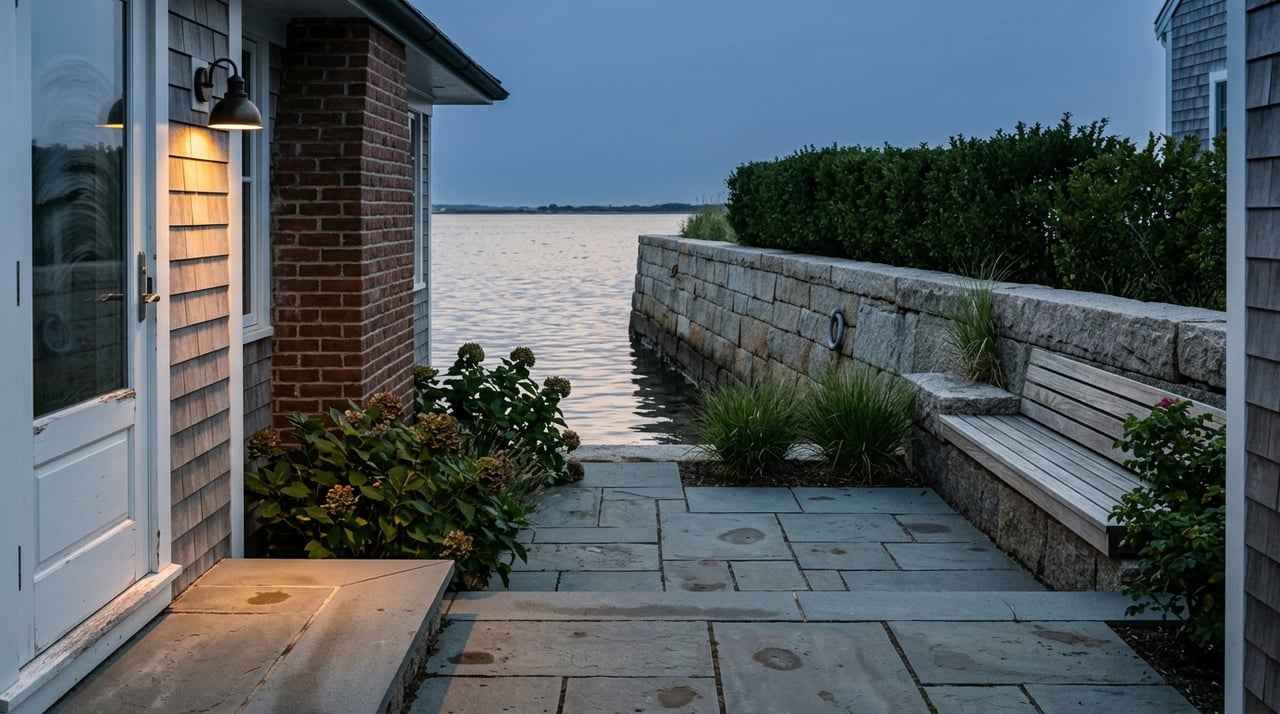
If you picture waterfront living as something reserved for weekends, Portsmouth’s South End may surprise you. In this part of the city, river views, public parks, historic streets, and downtown amenities are woven into everyday routines. If you are considering a move here, understanding how the neighborhood actually lives day to day can help you decide whether it fits your goals. Let’s dive in.
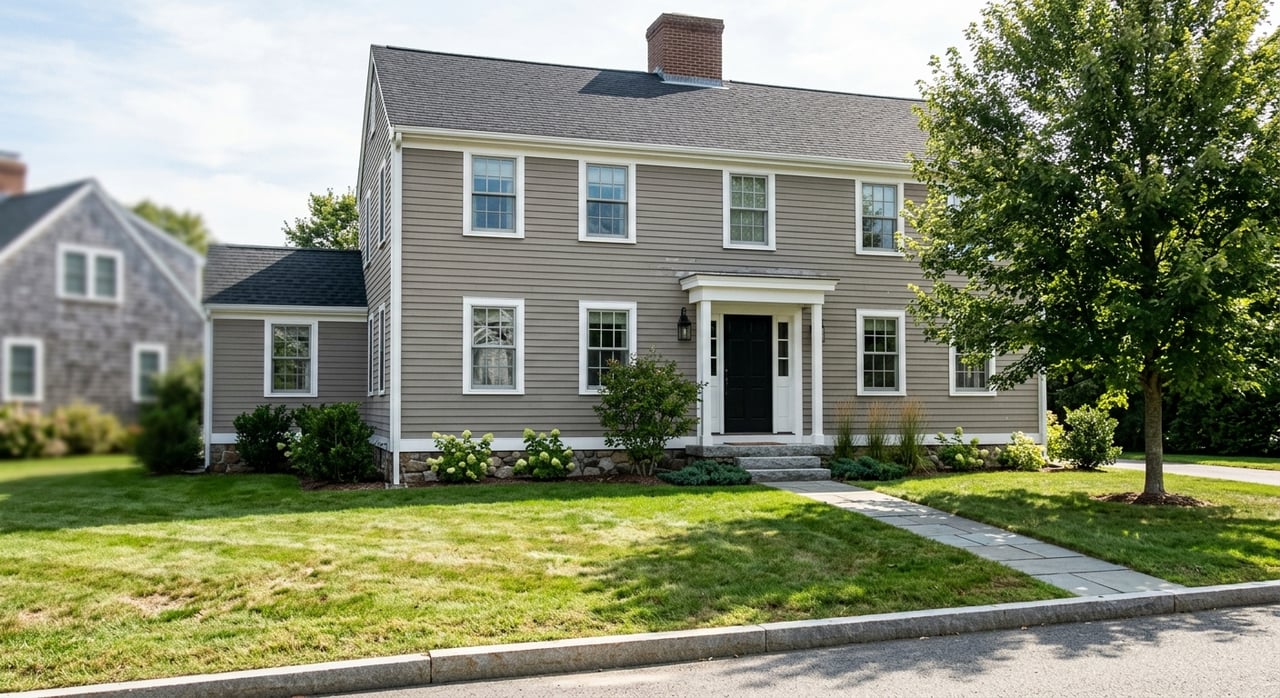
Portsmouth’s South End is one of the five parts of the city’s locally designated historic district. City guidance describes it as a tightly built residential area of wooden houses centered around South Mill Pond, with buildings dating from the late 17th through the early 20th century. That gives the neighborhood a distinctly historic, compact, and city-like feel.
This is not a newer neighborhood with wide setbacks and a suburban layout. Instead, the South End reads as preserved New England streetscape, with colonial, federal, and later 19th-century domestic buildings shaping the area’s character. If you are drawn to older homes and a sense of place, that architectural fabric is a major part of the appeal.
One of the South End’s biggest lifestyle advantages is how easily you can move through your day on foot. Local landmarks in the heart of the historic South End are described as an easy walk from downtown shops and restaurants, and downtown Portsmouth is known for its tree-lined sidewalks, historic storefronts, and outdoor cafes.
For many buyers, that translates into a simpler daily rhythm. Coffee, dinner, errands, and a casual walk toward the waterfront can often happen without getting in the car. If you value convenience and a neighborhood that feels connected to the city core, the South End offers that in a very tangible way.
Waterfront living here is not limited to a single scenic overlook. The South End sits near a network of public spaces that make outdoor time feel accessible and regular, not occasional.
Prescott Park is a 10-acre public waterfront park in downtown Portsmouth. The city describes it as the downtown’s primary waterfront access and a public space that is free and accessible to all, with gardens, docks, and event-oriented public use.
For you as a resident, that means the waterfront can become part of your weekly routine. A quick walk through the gardens, time by the docks, or attending seasonal programming can feel less like a special trip and more like a normal part of living downtown.
Peirce Island is a 27-acre city-owned island that separates the Piscataqua River from the South End. It includes scenic views, walking paths, an outdoor pool, playgrounds, and boat launches.
That range of amenities matters because it broadens what waterfront access means. You are not just near the water for the view. You are also close to places to walk, spend time outside, and enjoy public recreation in a setting tied closely to the river.
The South Mill Pond Recreation Complex adds another layer to the neighborhood lifestyle. The city lists basketball, tennis, and pickleball courts, a fenced off-leash dog park, a playground, parking, and views of South Mill Pond, with the park open from dawn to dusk.
If your version of neighborhood living includes active outdoor time, this is a practical benefit. It supports everyday use, whether that means getting out with your dog, meeting friends for pickleball, or taking kids to the playground.
Four Tree Island is accessed by a causeway from Peirce Island and offers picnic tables, grills, and dawn-to-dusk public access. The city encourages visitors to pair it with Peirce Island’s other amenities.
Taken together, these spaces create a strong sense of connected outdoor living. In the South End, access to riverfront parks and public green space is a real lifestyle feature, not just a marketing phrase.
For many buyers, the South End works because it places you close to downtown Portsmouth’s everyday amenity base. Downtown is described as a year-round shopping district with shops set among historic buildings, tree-lined sidewalks, and outdoor cafes. The business mix near the waterfront and Market Square includes a dense selection of restaurants.
That kind of proximity changes how a neighborhood functions. Instead of planning your day around driving, you may find that a dinner out, a quick stop into a local shop, or a walk through downtown fits naturally into your routine.
Nearby dining examples help illustrate the atmosphere. Black Trumpet Bistro on Ceres Street is described as a chef-owned bistro and wine bar in a 200-year-old brick-and-beam building. Surf Restaurant and Water View Grill on Bow Street add more choices close to the waterfront, with Water View Grill noting outdoor dining with views of the Piscataqua River and tugboats.
The South End’s historic identity is not tucked away behind a few plaques. It is part of the lived experience of the neighborhood.
Strawbery Banke Museum describes itself as a historic waterfront neighborhood museum interpreting more than 350 years of history. It includes historic houses, heirloom gardens, and seasonal programming.
For residents, that means the neighborhood’s past is not abstract. It is visible in the built environment and supported by ongoing cultural activity that helps define the area’s atmosphere.
Prescott Park also hosts the Prescott Park Arts Festival, which Portsmouth sources say has presented music, art, theater, and dance on the banks of the Piscataqua River since 1974. In warmer months, that programming can make the waterfront feel lively and event-driven.
If you enjoy living somewhere with visible public life, this is part of the South End’s appeal. The neighborhood can feel active, especially near the waterfront and cultural sites, while still rooted in a residential setting.
The housing stock in the South End is one of its defining features. City historic-district guidance describes the neighborhood as an important maritime area with several hundred colonial, federal, and later 19th-century domestic buildings. Across the wider historic district, styles include Georgian, Federal, Italianate, and later Victorian buildings.
For you as a buyer, that means inventory here is shaped by history and scale. The streetscape tends to feel established and architecturally layered rather than uniform. If you are comparing the South End with newer communities, this difference will likely stand out right away.
That historic character also means buyers often need to look beyond square footage alone. Layout, lot configuration, and the overall feel of the street can play a bigger role in value and lifestyle fit in a neighborhood like this.
The South End offers a compelling lifestyle, but it is important to view waterfront living with clear eyes. Portsmouth’s climate vulnerability work specifically evaluated parts of the historical South End, Strawbery Banke, Prescott Park, and the working waterfront for sea-level change and rising groundwater or seepage impacts.
That does not erase the neighborhood’s strengths. It simply means that buying in a low-lying historic seaport comes with real-world considerations alongside the charm, walkability, and water access. If you are exploring homes here, it helps to evaluate the location with both lifestyle goals and long-term practicality in mind.
The South End tends to appeal most to buyers who want a dense, historic, walkable neighborhood with immediate access to riverfront parks, downtown dining, and cultural programming. It is especially attractive if you value character, proximity, and an urban waterfront setting.
It may be less ideal if your priorities lean toward a quieter suburban layout or a newer-home feel. South End living is about being immersed in Portsmouth’s historic fabric and public waterfront spaces, with all the energy and distinctiveness that comes with that.
If you are weighing whether the South End matches your lifestyle, local context matters. A neighborhood this specific deserves guidance from someone who understands both the day-to-day feel and the practical considerations behind the listing photos. When you are ready to explore Portsmouth living with a local, reach out to Emil Uliano.
Stay up to date on the latest real estate trends.
We are committed to guiding you every step of the way—whether you're buying a home, selling a property, or securing a mortgage. Whatever your needs, we've got you covered.
40 Pleasant St Portsmouth NH 03801