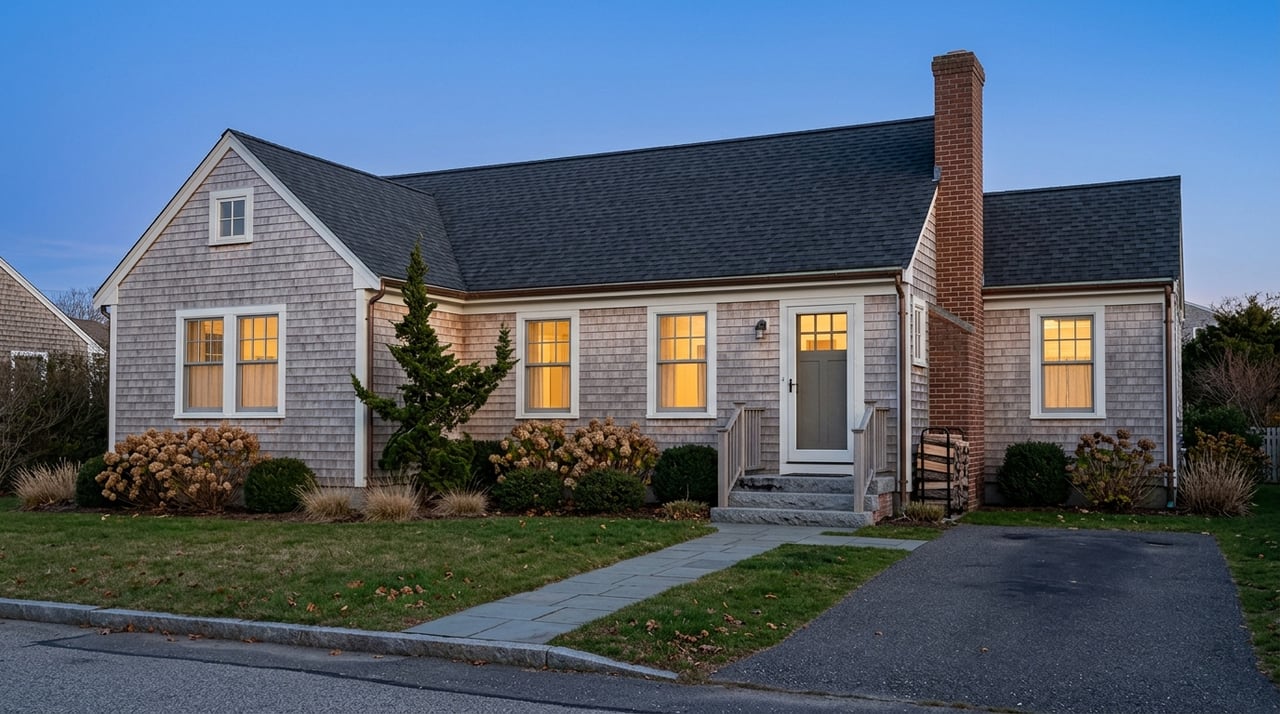
Living in Rye Beach Communities Through Every Season
June 18, 2026
June 18, 2026
Wondering what Rye’s beachside neighborhoods really feel like once the summer crowds leave, the weather shifts, and daily life settles in? If you are thinking about buying, selling, or simply getting to know this corner of the New Hampshire Seacoast, it helps to look past the postcard version of beach living. Rye offers a year-round coastal lifestyle shaped by shoreline access, town services, seasonal rhythms, and real-world tradeoffs. Let’s dive in.
Rye stands out as a small Atlantic town with a strong connection to the water. According to the town, it has roughly eight miles of shoreline, three serpentine beaches, and about 850 acres of salt marsh. The town also notes that its coastline is the longest in New Hampshire and that nearly two-thirds of its 35.5 square miles is water.
That setting shapes how the beachside neighborhoods feel. Instead of one large boardwalk district, Rye’s shoreline is spread across a series of named access points like Wallis Road, Bass, Cable Road, Concord Point, E Street, F Street, Old Beach Way, Old Town Way, Philbricks, Sawyer's, and Sunrise Path. For you as a resident or buyer, that often means a more neighborhood-based coastal experience rather than a single tourist hub.
Rye is not just a summer destination. Census data shows 5,543 residents in 2020, with a 2024 estimate of 5,663, and 81.8% of housing is owner-occupied. The town also says that more than 200 residents volunteer on town and nonprofit boards, which supports the picture of a stable, involved community.
You can also see that year-round character in daily life. About 30.0% of residents are age 65 or older, and the town’s public-facing structure centers on local services, boards, and civic oversight. That tends to create a quieter, more rooted atmosphere than you might expect from a shoreline town.
Summer is when Rye’s beachside neighborhoods are most active. Access remains a major benefit, but it comes with more structure and more planning. Parking restrictions are in effect from May 1 to October 1, beach lots close at midnight, and town parking permits are available only to Rye residents and property owners.
For public beach use, parking capacity varies quite a bit. Jenness State Beach has metered parking for 67 cars, while Wallis Sands can accommodate about 500 cars. NH State Parks also encourages reservations at Wallis Sands because parking can fill up quickly on weekends and holidays.
That tells you something important about summer life in Rye. The beaches are highly usable, but the best summer experience often comes when you plan ahead rather than assume easy last-minute access.
In summer, Rye’s beach regulations are an active part of daily life. Dogs are prohibited from 9 AM to 7 PM from the Saturday before Memorial Day through the Saturday after Labor Day. The town also prohibits alcohol, smoking, and glass on its beaches.
Fires require authorization and a permit from the Rye Fire Department. The town also posts surfing rules and notes that surfing may be restricted during peak hours. If you are considering a beachside home, it helps to understand that the shoreline is carefully managed for safety, access, and shared use.
One of Rye’s strengths is that its beaches are built for more than scenic views. Jenness is described by NH State Parks as an oceanfront location with a sandy beach, bathhouse, swimming, picnicking, showers, and fishing. Wallis Sands offers swimming, views of the Isles of Shoals, a food and drink store, a large bathhouse with outdoor rinse stations, and picnic tables on a grassy area.
NH State Parks lists lifeguard coverage at Wallis Sands and Jenness from June 1 through September 1. For many residents, that makes summer beach life feel practical and routine, not just occasional. You can picture beach mornings, evening walks, and regular use woven into the season.
After Labor Day, the pace changes. NH State Parks says beach parks remain open for recreation, but the off-season is typically unstaffed, comfort stations are unavailable, and gates may be closed. The experience becomes less service-oriented and more self-directed.
For many people, that is part of the appeal. The shoreline feels quieter, more local, and less crowded. If you value space, routine walks, and a calmer coastal setting, the shoulder seasons may be when Rye feels most comfortable.
One practical change many residents appreciate is off-season pet access. At Rye Harbor and Wallis Sands, leashed pets are allowed in the off-season. That can make fall, winter, and early spring especially appealing if beach walks are part of your lifestyle.
This is one of the clearest examples of how Rye changes through the year. Summer is more regulated and active, while the off-season often feels more relaxed and neighborhood-driven.
In winter, Rye’s beachside lifestyle does not disappear. It simply shifts. Rye Harbor State Park, also called Ragged Neck, offers a rocky peninsula setting with ocean, harbor, and Isles of Shoals views, along with picnic tables, restrooms, and saltwater fishing.
Odiorne Point State Park adds another dimension to year-round life. It offers ocean and rocky-shore views, a large trail network, military-history remnants, and the Seacoast Science Center, which operates seven days a week in summer and on a reduced schedule in the off-season. For you, that means winter in Rye can still include outdoor routines and local destinations, even when beach weather is long gone.
Rye also functions as a real town, not just a seasonal coastal area. The town directory shows essential public services like police, fire, public works, recycling, a public library, and active local boards. That structure supports practical year-round living.
For households with school-aged children, SAU 50 says Rye Elementary serves PK-4, Rye Junior High serves grades 5-8, and students in grades 9-12 attend Portsmouth High School. That provides a clear school path for residents while also tying part of daily life to the broader Seacoast area.
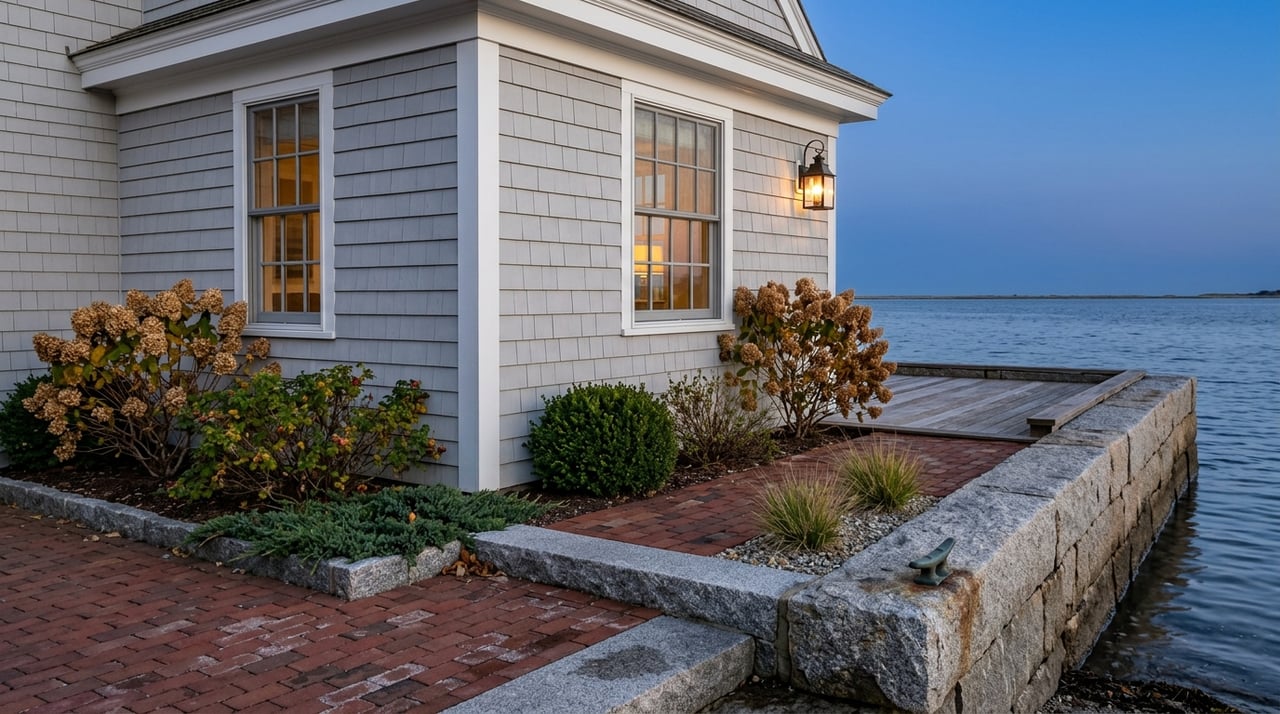
Living near the ocean in Rye comes with clear benefits, but it also requires awareness. The town’s planning department says Rye has spent the last decade working on resilience related to flooding, storm surge, sea-level rise, and other climate impacts. The town also notes that its greatest flood threats come from hurricanes, seasonal storms, and seasonal high tides.
Rye has installed high-water mark signs on Wallis Road and at Odiorne to raise awareness of rising waters. For buyers, this is an important part of the picture. Coastal living here includes scenic access and ongoing preparedness.
Every beach town has tradeoffs, and Rye is no exception. Summer brings parking pressure, posted beach rules, and busier shorelines. Off-season months bring reduced staffing and fewer amenities at beach facilities.
At the same time, those tradeoffs come with meaningful benefits. You get direct access to beaches, trails, harbor views, and scenic public spaces in a small town that is largely owner-occupied and locally rooted. For many buyers, that balance is exactly what makes Rye appealing.
If you are buying in Rye, it helps to think about how you will use the area in every season. A home near the shoreline may offer easy access to summer recreation, but the day-to-day experience in October, January, or March may matter just as much. Looking at parking patterns, beach rules, off-season routines, and flood awareness can give you a more complete view of fit.
If you are selling in Rye, the year-round story matters too. Buyers are often drawn in by the coastline first, but many stay interested because Rye offers a settled community, practical town services, and access to outdoor spaces beyond peak beach season. Showing that full lifestyle picture can help your home stand out.
Whether you are exploring a move or preparing to list, a local perspective can make it easier to understand how Rye’s beachside neighborhoods live in real time, month by month. If you want help evaluating a property, timing a move, or understanding the Seacoast market more clearly, connect with Emil Uliano.
Stay up to date on the latest real estate trends.

We are committed to guiding you every step of the way—whether you're buying a home, selling a property, or securing a mortgage. Whatever your needs, we've got you covered.

40 Pleasant St Portsmouth NH 03801