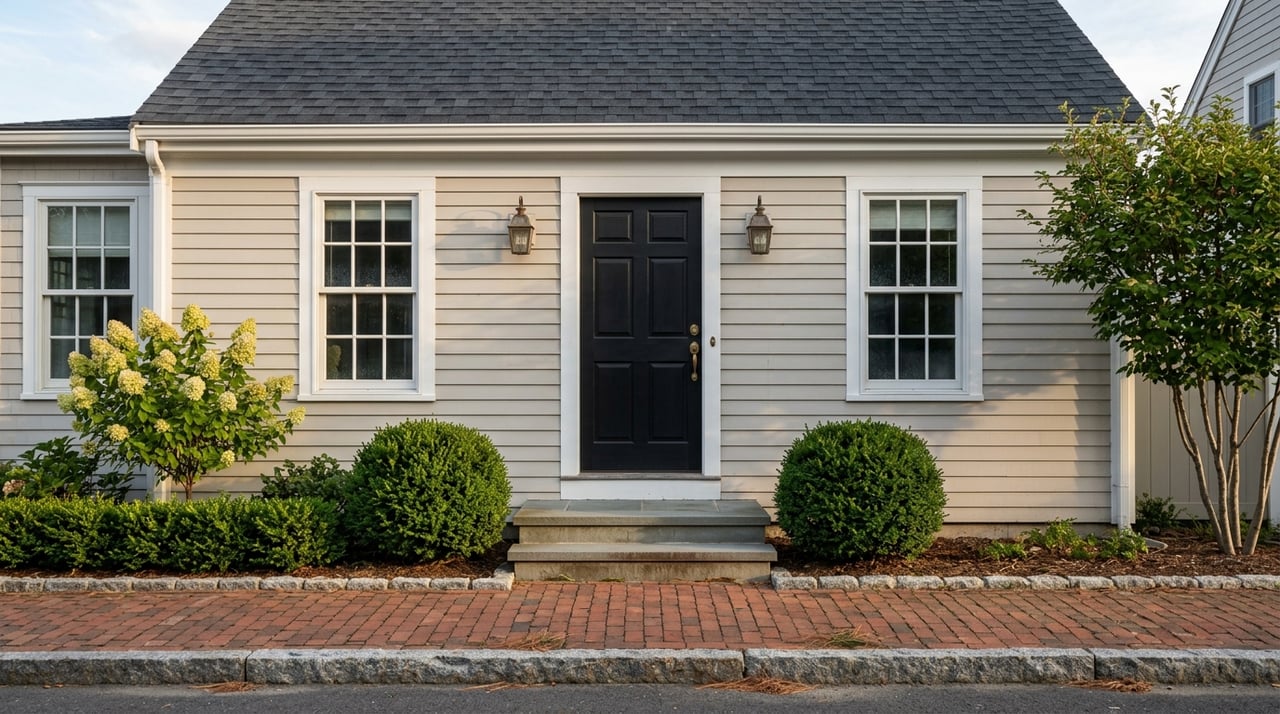
Portsmouth Home Valuation Factors That Influence Price
July 16, 2026
July 16, 2026
Wondering why one Portsmouth home sells in days while another needs a price cut? If you are thinking about selling, it is easy to get pulled in different directions by assessed values, online estimates, neighborhood buzz, and a number you hope your home can bring. The good news is that Portsmouth home value is not random, and once you understand what really drives price, you can make smarter decisions before you list. Let’s dive in.
In Portsmouth, your home’s value is shaped first by recent local comparable sales, not by a single citywide number. The Portsmouth Assessor makes that distinction clear: the city analyzes market patterns and sales data to establish assessed values, but it does not create market value. New Hampshire also requires revaluation at least every five years, which is another reason assessed value and current market value are not always the same.
That difference matters when you see conflicting headlines. Zillow reported a Portsmouth home value index of $809,650 as of June 30, 2026, while Redfin reported a median sale price of $684,590 for the three months ending May 2026. Those numbers are built from different methods, so they should not be treated as interchangeable.
For you as a seller, the takeaway is simple: your likely sale price depends more on what similar homes nearby have actually sold for than on a broad city average or an online estimate. That is why pricing in Portsmouth works best at the neighborhood and property-type level.
One of the biggest valuation mistakes in Portsmouth is assuming the whole city behaves like one market. It does not. Different parts of the city can have very different price points, timelines, and buyer demand.
Recent Redfin neighborhood snapshots show that Downtown, South End, North Waterfront, and Islington Street all sit in different ranges. Downtown showed a median sale price of $898,698 with 55 days on market, South End was at $1.1 million with 105 days on market, North Waterfront was at $949,000 with just 3 days on market, and Islington Street was at $755,000. These figures come from different months and smaller samples, so they are best used as directional signals rather than one-to-one comparisons.
What does that mean for you? A buyer looking at a South End home is not necessarily evaluating it against the same choices as a buyer focused on Islington Street or a downtown condo. Even within Portsmouth, location can shift a home’s pricing range in a meaningful way.
Micro-market pricing affects more than list price. It also influences how buyers interpret condition, updates, and timing. In one area, buyers may expect a polished, move-in-ready presentation. In another, they may be more flexible if the price reflects the work needed.
That is why a smart valuation is not just about pulling three sales and averaging them. It means understanding how your specific part of Portsmouth is performing and how buyers are responding there right now.
If your property is in Portsmouth’s Historic District, valuation can involve another layer. The city says nearly 1,300 properties are inside the district, and its design guidelines are intended to manage change and protect historic resources. A Certificate of Approval is required for certain exterior changes, and exterior renovations may also require land-use and building permits.
For sellers, that can affect both timing and scope. If you are planning exterior work before listing, approvals may be part of the process. Buyers may also factor in whether future exterior changes could require additional review.
That does not automatically lower value, but it can influence marketability and buyer perception. A well-maintained historic home with documented updates can be very appealing, especially when the character of the property has been preserved. At the same time, incomplete or unapproved exterior work may create questions that affect pricing or negotiations.
In practical terms, if your home is in the Historic District, your valuation should reflect both the home’s condition and the realities of what can be changed, how, and how quickly.
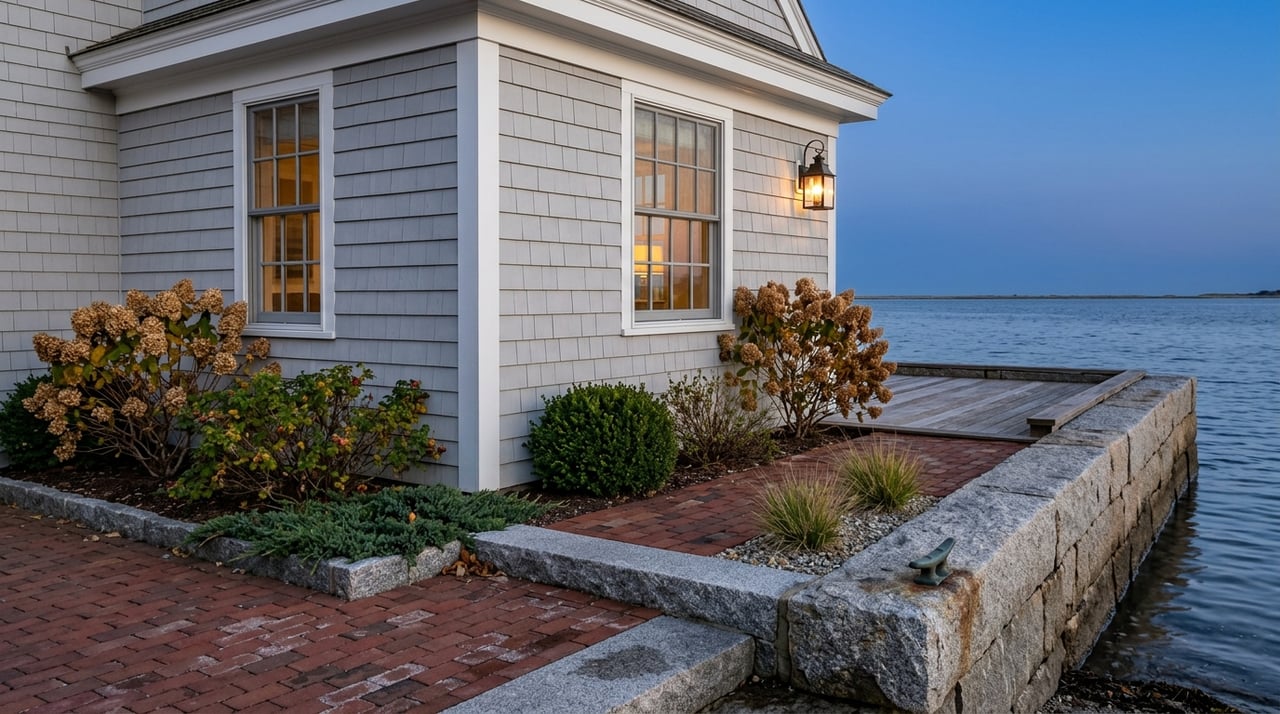
In a coastal market like Portsmouth, flood exposure can also influence value. The city’s floodplain district includes FEMA special flood hazard areas and extended flood hazard areas, and Portsmouth’s Coastal Resilience Initiative focuses on sea-level rise and storm surge. These are not abstract issues in a waterfront or near-water market.
Fannie Mae says FEMA-designated flood zones are an external factor appraisers should consider when selecting comparable sales. In other words, a home’s flood exposure can affect which properties are truly comparable in the first place.
For some Portsmouth homes, especially in coastal or low-lying areas, location brings both value and constraints. Buyers may be drawn to water access, views, or proximity to the coast, but they also evaluate risk, property features, and how those factors compare to nearby sales.
That is why a home outside a flood-related area may not be the best comp for one inside it, even if the size and style are similar. In Portsmouth, local context matters down to that level.
Location sets the stage, but condition helps determine where your home lands within its likely value range. Fannie Mae says comparable sales should reflect similar physical and legal characteristics, including site, room count, finished area, style, condition, and external factors. Freddie Mac also notes that even smaller maintenance issues like leaky faucets, flickering light bulbs, and unsecured stair railings can lower a home’s condition rating.
That is an important reminder for sellers. Buyers and appraisers notice the details, and visible upkeep can shape how your home compares against recent sales.
When buyers walk through a home, deferred maintenance can signal larger concerns, even when the actual fixes are minor. That can reduce urgency, increase negotiation pressure, or make a buyer more likely to compare your property to lower-priced alternatives.
The good news is that condition is one of the areas you can often control. Clean presentation, completed maintenance, and organized records of improvements can all help support your asking price.
Not every Portsmouth property should be valued against the same pool of sales. Condos, single-family homes, and multi-unit properties can attract different buyers and follow different pricing patterns. That is especially true in a market with as much variety as Portsmouth.
For condominiums, the comparable set should come from similar condo projects competing for the same buyers. Portsmouth’s condo market page showed 60 condos for sale, a median listing price of $649,000, and most homes staying on the market 61 days while receiving 1 offer. That snapshot tells you condo pricing and demand may look different from the broader city market.
This sounds obvious, but it is a common source of confusion when sellers compare headlines. A downtown condo buyer is often choosing among different amenities, ownership structures, and building types than a buyer shopping for a detached home. Even two properties with similar square footage may not compete in the same way.
If your home is a condo, the right valuation usually depends on similar units, similar buildings, and similar buyer expectations, not just nearby addresses.
Portsmouth remains a strong market, but that does not mean every listing can ignore pricing discipline. Redfin reported a 98.7% sale-to-list ratio in the recent period, with 17.1% of homes selling above list price and 20.7% showing price drops. That mix suggests buyers are engaged, but they are not rewarding every asking price equally.
For sellers, this is where strategy matters. A well-priced home can attract attention and strong offers, while an aspirational price may lead to more time on market and eventual reductions.
In high-demand submarkets, a single standout sale can create unrealistic expectations. In South End, one recent sale closed 25% above list while another nearby sale closed at list, even though the neighborhood’s recent median sale price was $1.1 million. That is a good example of why one headline result should not set your expectations by itself.
The strongest pricing strategy looks at a cluster of recent comparable sales, then adjusts for condition, size, style, and location-specific factors. That creates a pricing range that reflects the real market, not just the most exciting sale on the block.
Some parts of valuation are outside your control. Freddie Mac separates controllable factors like condition and features from uncontrollable ones like location, lot size, comparable properties, and market conditions. That is a useful framework if you are getting ready to sell.
Here is where your effort usually has the biggest impact:
When sellers focus on these pieces early, they are usually in a better position to launch with confidence and avoid preventable pricing problems later.
In a market as nuanced as Portsmouth, a strong valuation is not just about finding a rough number online. It should start with recent closed sales from the same neighborhood and similar property type, then adjust for condition, style, size, and factors like flood exposure or historic constraints.
That kind of analysis matters because Portsmouth is not one market. It is a collection of neighborhoods, property types, and buyer segments that respond differently depending on the home. A professional comparative market analysis helps turn all of that into a pricing strategy you can actually use.
The clearest way to think about Portsmouth home value is this: location sets the stage, condition refines the range, and recent nearby sales show where buyers are truly willing to act.
If you are thinking about selling and want a pricing strategy built around Portsmouth’s real micro-markets, property types, and buyer trends, Emil Uliano can help you understand where your home fits and how to position it for the market.
Stay up to date on the latest real estate trends.


We are committed to guiding you every step of the way—whether you're buying a home, selling a property, or securing a mortgage. Whatever your needs, we've got you covered.

40 Pleasant St Portsmouth NH 03801