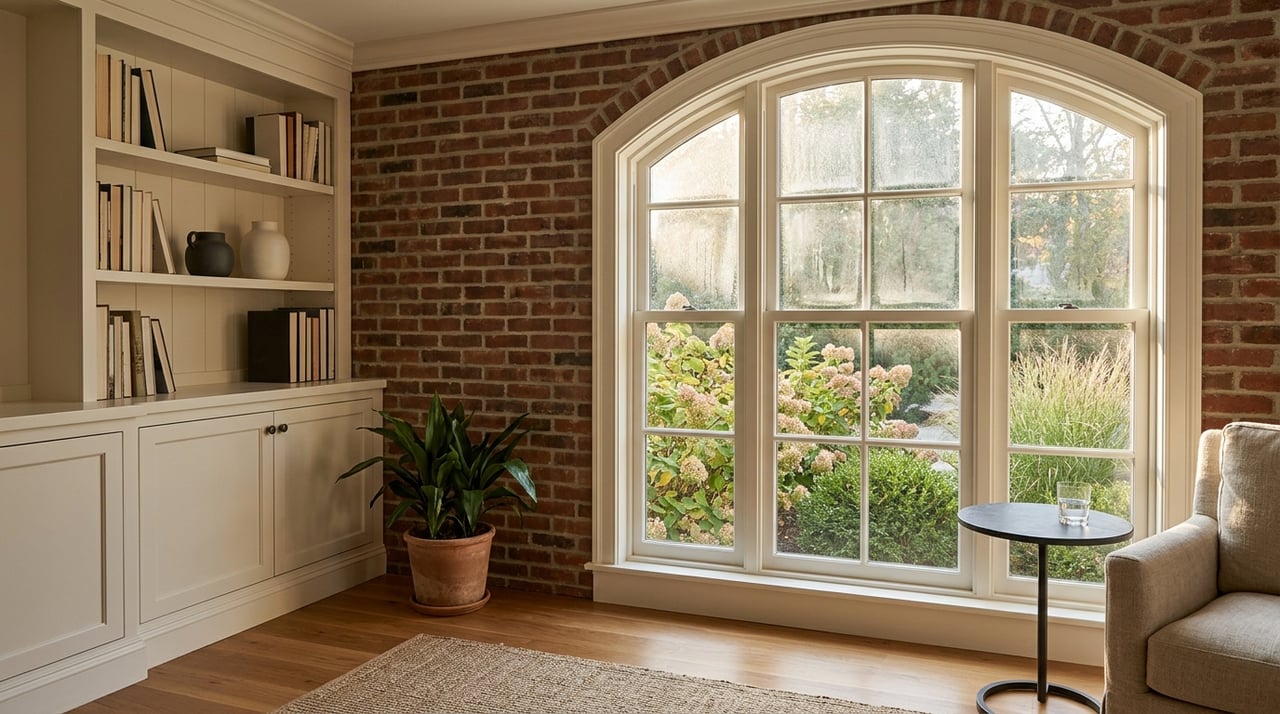
Rye NH Second Home Buying for Coastal Retreats
July 9, 2026
July 9, 2026
Dreaming about a place by the water is the easy part. Buying a second home in Rye is where the real planning starts, especially when coastal rules, flood considerations, and long-term upkeep can shape your costs as much as the purchase price. If you want a retreat that feels relaxing instead of complicated, it helps to know what to check before you make an offer. Let’s dive in.
Rye stands out because it offers a true New Hampshire Seacoast setting with a housing market that already includes a meaningful share of seasonal use. The town’s housing needs assessment identifies about 616 seasonal homes, condos, and apartments, which shows that part-time ownership is already an established part of the local housing picture.
Rye’s coastal area also has a very specific physical character. The town describes this district as more densely built than much of the rest of Rye, with scarce land and some of the only public sewerage in town. That combination can make coastal ownership especially appealing, but it can also make future changes to a property more complex.
Another key factor is the age of the housing stock. Rye’s housing needs assessment says about 45% of housing units are more than 50 years old. For you as a second-home buyer, that means maintenance, renovation planning, and systems review should be part of your strategy from day one.
Even if you plan to use your Rye home only part of the year, ownership is still a full-time responsibility. Older homes, exposure to coastal weather, and flood-related considerations can affect everything from repairs to insurance budgeting.
That is why many second-home purchases in Rye work best when you evaluate them as year-round assets. You want to know not only how the home feels in summer, but also how it performs in the off-season, what systems need attention, and whether the property can support your long-term plans.
Under New Hampshire’s Shoreland Water Quality Protection Act, protected shoreland includes land within 250 feet of the reference line for tidal waters. The New Hampshire Department of Environmental Services says primary structures are typically set back 50 feet, accessory structures 20 feet, and new septic systems at least 75 feet from the reference line, though local rules may be more restrictive.
In Rye, local overlays can add another layer of review. The town code says overlay districts apply in addition to underlying zoning, and when rules conflict, the most restrictive standard controls. That matters if you are considering a lot near the ocean, wetlands, marsh areas, or other sensitive coastal features.
Rye’s Wetlands Conservation District includes tidal marshes, tidal lands, ponds, certain streams and rivers, vernal pools, freshwater marshes, isolated wetlands, and buffer areas. In practical terms, that means a property that looks straightforward on a listing sheet may have tighter development constraints once you review the parcel in detail.
If your second-home plan includes adding space, changing site features, or renovating over time, you will want to confirm the exact overlay status before you move forward. This step can help you avoid surprises after you are under contract.
In Rye’s Coastal Area District, no building or structure may exceed 28 feet in height, or 30 feet if elevation is required under the floodplain code. The code also says no dwelling may occupy more than 15% of its lot, and dwellings plus other impervious site features may not exceed 30% of the lot.
Those numbers are important if you are comparing properties based on future flexibility. A house on a small coastal lot may offer a great location, but not much room for expansion, redesign, or additional hardscape later.
Flood risk is one of the biggest planning issues for a Rye second home. The town’s floodplain ordinance requires permits in special flood hazard areas, and residential structures in Zones A, AE, and AO must have the lowest floor at least two feet above base flood elevation.
Rye also treats cumulative improvement or repair costs that reach 50% of market value within a five-year period as substantial improvement. If you buy an older coastal property with renovation plans, that rule can be especially important because it may affect what upgrades are required during the project.
Rye’s housing assessment reports that 2,160 acres are in the 100-year floodplain and that there were 296 NFIP policies insuring $87,711,100 in property as of 2022. That does not mean every property carries the same level of exposure, but it does mean flood review should be a standard part of your diligence.
Flood coverage should not be treated as an afterthought. The research report notes that most homeowners insurance does not cover flood damage, and NFIP policies cover building and contents separately.
For a second-home buyer, this is a major budgeting issue because insurance costs can change the economics of ownership quickly. Before you finalize your numbers, it is smart to verify the parcel’s flood zone and get real insurance quotes based on the property you are considering.
A Rye coastal retreat can come with carrying costs that deserve close attention. Property taxes, transfer tax, insurance, maintenance, and possible rental compliance costs can all affect affordability.
The town’s 2025 total property tax rate is listed at $8.37 per $1,000 of assessed value. The research report also notes district variation, including Rye Beach at $8.74, Jenness Beach at $8.54, and Rye Water at $8.92. At the town-wide rate, a $1 million assessment works out to about $8,370 annually before exemptions or other adjustments.
New Hampshire’s real estate transfer tax is imposed on both buyer and seller at $0.75 per $100 of the sale price or consideration. For second-home buyers, that is a cash-to-close item that should be built into your plan early.
On higher-priced Seacoast properties, this can become a meaningful number. It is one more reason to model your total cash needs before you write an offer, not after.
Because Rye has an older housing stock and many seasonally used homes, upkeep can require more planning than buyers initially expect. Roofing, siding, windows, drainage, heating systems, septic review, and weather-related wear can all become larger cost categories over time.
You do not need to assume every older home is a problem property. You do want to treat inspections, repair history, and long-term maintenance planning as part of the value equation.
Some second-home buyers want the option to offset costs with rentals. In Rye, that plan needs careful review because tax rules, zoning, and property-specific restrictions can all matter.
The research report states that New Hampshire’s Meals and Rooms tax is 8.5%, and that the Department of Revenue Administration defines a short-term rental as occupancy for less than 185 consecutive days. Operators must obtain a Meals and Rentals license and include the license number in advertising.
Rye’s housing report identified 83 whole-home short-term rentals, so there is already local rental activity. Still, you should confirm that any rental plan works with zoning requirements and, if applicable, any condo or HOA documents tied to the property.
If you are hoping for guest space or multigenerational flexibility, accessory dwelling unit rules matter. Rye allows one subordinate ADU in certain districts and requires 600 to 1,200 square feet, limits occupancy to three people, requires two additional off-street parking spaces, and requires septic and water approvals.
The town code also says any rental term for an ADU must be greater than three months. So if your vision includes guest accommodations or rental income, it is important to understand that an ADU may not support every use case you have in mind.
A second home in Rye can be a great fit when the property matches your goals and your budget reflects the realities of coastal ownership. Before you move ahead, focus on the details that most often affect long-term satisfaction.
Here is a practical due diligence checklist:
Parking is easy to overlook until it becomes a problem. Rye requires two parking spaces for a single-family dwelling and two per unit for other dwellings, and the conversion of seasonal dwelling units to year-round occupancy can trigger parking requirements.
On tighter coastal sites, parking layout can affect how comfortably the property functions. It can also influence your options if you want to change how the home is used over time.
Treat septic, sewer, and water capacity as core underwriting items. Rye’s coastal district rules say lots outside the town sewer service area need a state-approved on-site waste disposal system, and ADU approvals also require septic and water approvals.
For a second home, utility capacity affects more than convenience. It can shape guest use, renovation scope, and the property’s practicality for more frequent or year-round occupancy.
The best second-home purchases in Rye usually come from asking the right questions before emotions take over. You want to know how the property works today, what it may cost to own over time, and whether it supports your future plans without expensive surprises.
That is where local guidance can make a real difference. When you understand zoning overlays, flood considerations, carrying costs, and property-specific constraints upfront, you can buy with more confidence and enjoy the Seacoast lifestyle you came for.
If you are thinking about buying a second home in Rye, Emil Uliano can help you evaluate coastal properties with local insight, clear communication, and a high-touch approach tailored to the New Hampshire Seacoast.
Stay up to date on the latest real estate trends.

We are committed to guiding you every step of the way—whether you're buying a home, selling a property, or securing a mortgage. Whatever your needs, we've got you covered.
40 Pleasant St Portsmouth NH 03801