New Castle NH Second Home Guide for Coastal Buyers
July 23, 2026
July 23, 2026
Dreaming about an island getaway on the New Hampshire Seacoast? New Castle has a rare kind of appeal, with ocean views, historic homes, and easy access to Portsmouth, but buying a second home here comes with a very different set of realities than buying in a larger coastal town. If you are considering New Castle for a part-time retreat, this guide will help you understand the market, ownership costs, and property rules that matter most. Let’s dive in.
New Castle is one of the most distinctive towns on the Seacoast. According to the town, it is the only municipality in New Hampshire made up entirely of islands, and it covers only about 500 acres with a year-round population just above 1,000.
That small footprint shapes the entire buying experience. You get an island setting connected to Portsmouth by Route 1B, which means you are close to dining, shopping, and services in a larger hub while still owning in a much quieter and more compact coastal town.
The lifestyle here also centers on public shoreline access and coastal landmarks. The town highlights Great Island Common, Fort Constitution, Fort Stark, the Wentworth-by-the-Sea hotel and spa, a Coast Guard station, and a UNH marine lab as part of New Castle’s identity.
For many second-home buyers, that is the draw. You are not buying into a resort-style private-club environment. You are buying into a real coastal community with a strong sense of place.
If you are used to browsing dozens of options, New Castle may feel surprisingly tight. Current market snapshots in the research show only a handful of homes for sale, including about 3 active listings overall on Zillow, with only 2 single-family options, and 4 waterfront homes on Realtor.com within town boundaries.
That level of scarcity matters. It means your search may take longer, and when the right property comes up, you may need to move decisively.
Price is another big part of the story. Zillow’s research snapshot puts New Castle’s average home value at $2,489,813, up 1.9% over the past year.
For context, Portsmouth shows a much larger pool of listings and a much lower average home value. That contrast helps explain why New Castle tends to attract buyers who want this exact island setting, not just any Seacoast address.
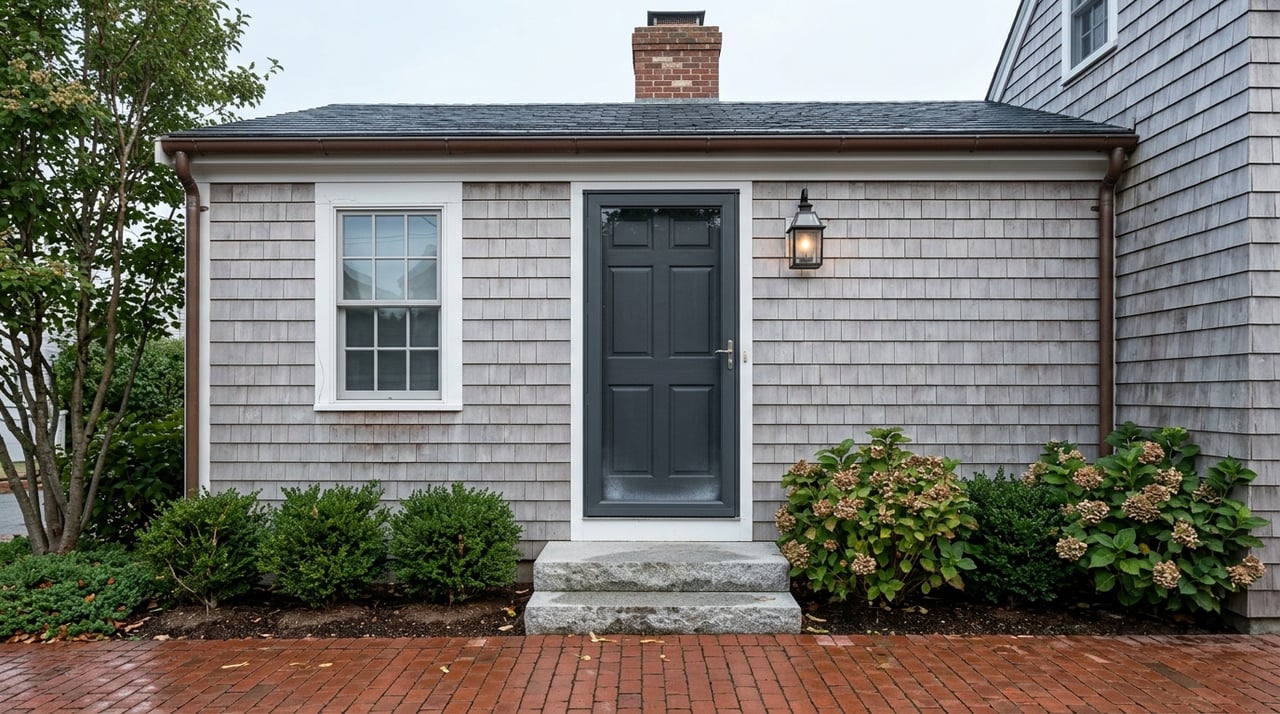
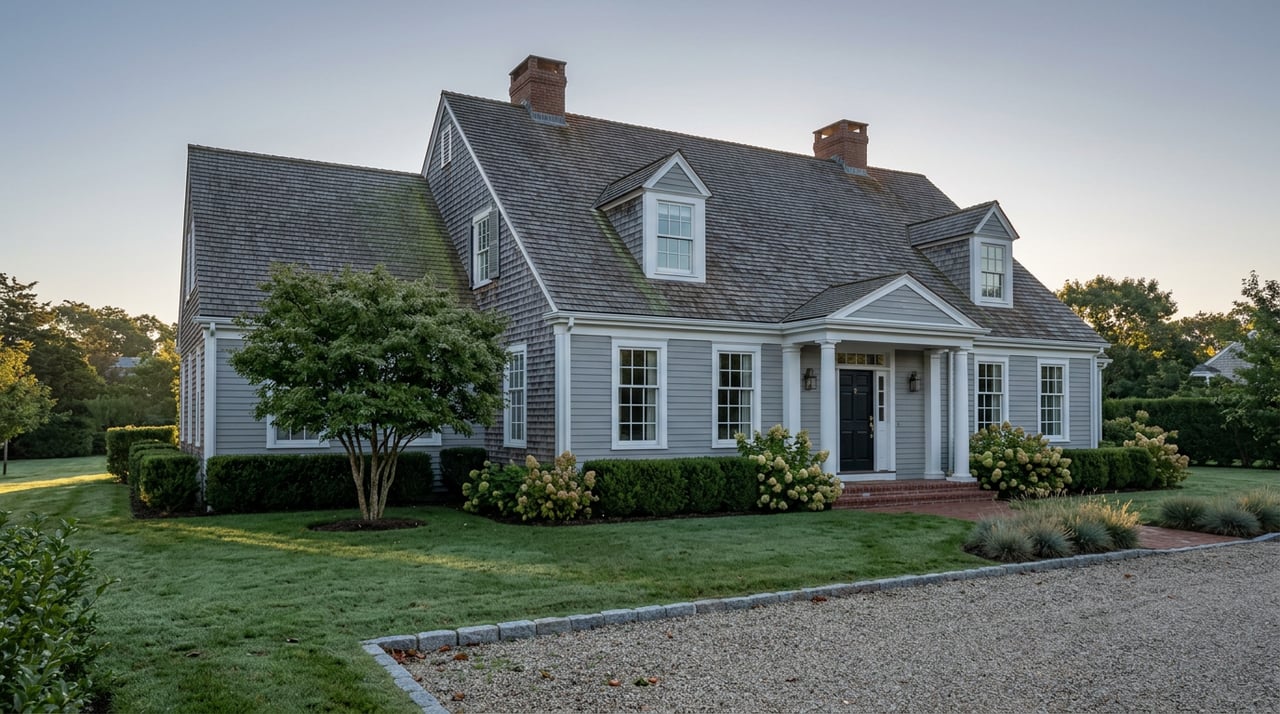
Much of New Castle’s housing character comes from its historic building stock. The town’s Historic District Commission describes the area with home styles such as Capes, Saltboxes, New Englanders, and Colonials, while local architectural guidance also notes center-chimney houses, Garrison Colonials, bungalows, and Colonial Revival designs.
For buyers, that often means charm, architectural detail, and a strong sense of New England coastal character. It can also mean older systems, more maintenance, and less flexibility when you want to make visible exterior changes.
If the property is in the historic district, exterior work may require review and approval from the Historic District Commission. The town’s guidance says new construction and visible alterations are expected to fit the district’s historic character rather than introduce a contemporary look.
That is important if your second-home plan includes renovation. Items like windows, siding, roofing, additions, and demolition may trigger review before work can move forward.
A second-home purchase is about more than the sale price. In New Castle, carrying costs deserve close attention from the start.
The town reports a FY2025 property tax rate of $5.73 per $1,000 of assessed value, with tax bills issued once a year in late fall and early winter. Using Zillow’s current average home value as a rough example, that works out to about $14,267 per year in property tax before exemptions and before any separate utility or special-assessment costs.
You should also account for New Hampshire’s real estate transfer tax. According to the New Hampshire Department of Revenue Administration, the transfer tax is $0.75 per $100 of consideration and is imposed on both the buyer and seller.
Another detail to keep in mind is assessment timing. New Castle was in a 2026 revaluation cycle, so assessed values may shift even if your purchase price does not.
Day-to-day logistics can look a little different here than in a more typical suburban setting. New Castle purchases potable water from Portsmouth, sewer charges are based on water usage, and water and sewer are billed quarterly.
For a second-home owner, that makes utility management worth planning for in advance. If the home will sit empty for stretches, you will want a simple system for monitoring bills, seasonal use, and service needs.
Trash and recycling are collected weekly on Thursdays. That may sound minor, but for part-time owners it can affect how you plan arrivals, departures, and property care between visits.
Parking and shoreline access also become part of the ownership experience. The town says full-time residents can receive three resident stickers for vehicle admission to Great Island Common and parking privileges throughout town, while non-resident property owners receive one sticker.
In New Castle, coastal risk is not a side issue. It should be one of your first underwriting and due diligence topics.
The town’s floodplain ordinance applies to FEMA special flood hazard areas, and its wetlands ordinance sets tidal-buffer and wetland-setback standards that can affect site work near shorelines or wetlands. If you are looking at a waterfront or water-adjacent property, these rules can directly affect future improvements and site changes.
Recent town reporting shows why this matters. A 2024 road-agent report described significant flooding and erosion from coastal storms, including damage to the Commons, Ocean Street, River Road, Cape Road, Piscataqua Street, and other shoreline locations.
The town also reported that the Route 1B causeway to Portsmouth and other low-lying areas had flooded or closed at least three times in five years, at times affecting emergency access. For a second-home buyer, that makes storm access, flood exposure, drainage, and insurance important parts of the buying conversation.
Even a beautifully maintained property can come with higher long-term upkeep near the shore. Salt air, wind exposure, and storm conditions can accelerate wear on exterior materials and building systems.
In New Castle, that reality combines with local review requirements and site constraints. So if you are comparing two homes at similar price points, the one that appears simpler on paper may not actually be simpler to maintain or improve over time.
This is especially true if you want to update an older home, expand a footprint, or make exterior changes. In a market this specific, your renovation goals should be evaluated early, not after closing.
For many buyers, Great Island Common is part of the lifestyle appeal. It is a 32-acre seaside park and beach that is open daily from 9 a.m. to 9 p.m.
It is smart to understand the town’s rules before you buy. According to the town, beach and common regulations prohibit glass, alcohol, open fires, and boat launching from the beach, and dogs are restricted seasonally.
These details may seem small, but they shape how you use the space with guests and family. In a second-home market, local use rules can have a real effect on how the property fits your lifestyle.
If you are still deciding where to focus your search, it helps to compare New Castle with nearby Seacoast towns. The research shows Portsmouth has a much larger inventory base, and Rye offers a broader mix of property types.
New Castle is different. It is smaller, more supply-constrained, and more dependent on a very specific coastal setting.
That means it often works best for buyers who know exactly what they want. If your priority is island character, historic architecture, and a highly limited market, New Castle may be a strong fit.
If you want more choice, more flexibility, or a wider range of price points and property styles, a nearby Seacoast town may give you more room to compare options.
If New Castle is on your shortlist, focus on the details that will affect ownership after the closing day. In a market this tight and specialized, careful due diligence matters as much as location.
A smart review usually includes:
The right second home in New Castle can be incredibly rewarding, but it is rarely a casual purchase. The buyers who do best here usually go in with a clear understanding of both the lifestyle and the responsibilities that come with it.
If you want local guidance on whether New Castle is the right fit for your goals, Emil Uliano can help you evaluate the market, compare Seacoast options, and navigate the details with a high-touch, local approach.
Stay up to date on the latest real estate trends.




We are committed to guiding you every step of the way—whether you're buying a home, selling a property, or securing a mortgage. Whatever your needs, we've got you covered.

40 Pleasant St Portsmouth NH 03801